
Summary
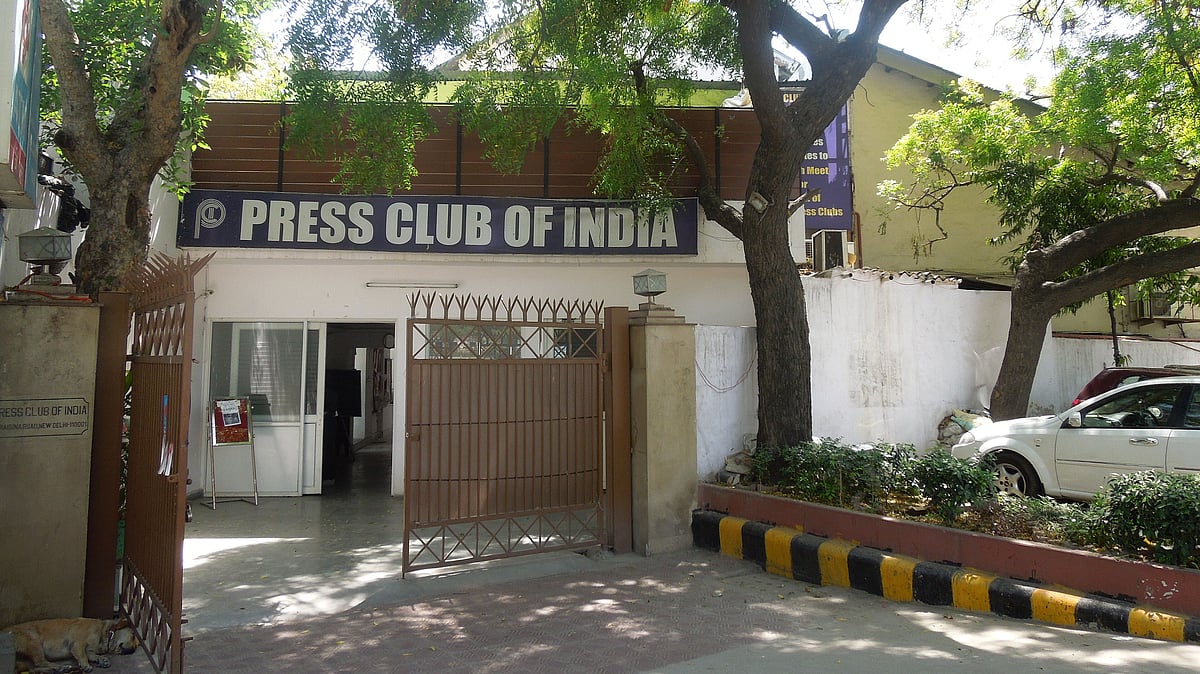
The Press Club of India (PCI) has strongly criticized the way police treated journalists during the recent closure of the United News of India (UNI) office in New Delhi. On Friday, officials sealed the news agency’s building following a court order about a land disagreement. However, the process turned physical, with reports of reporters being forced out of their workplace. This event has caused a lot of worry among media professionals regarding their safety and the freedom of the press.
Main Impact
The main impact of this event is a growing fear about how authorities handle legal actions against media organizations. While the court order was about a property dispute, the use of physical force against working journalists is seen as a serious problem. It has created a tense atmosphere for reporters in the capital. Many now feel that their right to work in a safe environment is at risk when government agencies carry out evictions. This situation also highlights a breakdown in communication between office management and the staff who were caught in the middle of the conflict.
Key Details
What Happened
On Friday evening, officials from the Land and Development Office arrived at the UNI building located at 9, Rafi Marg. They were accompanied by members of the Delhi Police and the Central Reserve Police Force (CRPF). Their goal was to seal the premises because of a long-standing legal fight over the land. Journalists working inside said they were caught by surprise. They claimed that the police used force to remove them from the building. Some staff members reported being dragged away, and many were not allowed to go back inside to get their bags, phones, or other personal items.
Important Numbers and Facts
The event took place on March 20, 2026. The building involved is one of the most well-known media addresses in India, situated near major government offices. UNI is one of the oldest news agencies in the country, providing news to hundreds of newspapers and websites. During the eviction, several women journalists were among those who reported being pushed or handled roughly by the authorities. The Press Club of India, which represents hundreds of media workers, issued a formal statement the following day to demand an investigation into the behavior of the police and the CRPF.
Background and Context
To understand why this matters, it is important to know that UNI has been a key part of Indian news for decades. It helps spread information across the country. The land dispute itself has been going on in the courts for some time. The Land and Development Office, which is part of the Ministry of Housing and Urban Affairs, claims the agency owes money or has violated land use rules. While property disputes are common, it is very rare for a news office to be cleared out so suddenly while people are still working. In India, the "right to work" is seen as a very important part of a person's life, and the PCI argues that this right was ignored during the raid.
Public or Industry Reaction
The reaction from the media community has been one of anger and shock. The Press Club of India called the actions "highhanded," which means the authorities used too much power without thinking about the people involved. They expressed "deep shock" that journalists were treated this way while simply doing their jobs. The management of UNI also spoke out, calling the event an "unprecedented atrocity." They believe this was not just about land, but was an "attack on the freedom of the media." On social media, videos and photos showed a chaotic scene at the office, which led to more people calling for the government to explain why so much force was necessary.
What This Means Going Forward
Looking ahead, there will likely be more legal action. The Press Club of India is asking for the people responsible for the rough treatment to be held accountable. This could lead to an internal investigation within the police department. For the journalists at UNI, the immediate problem is finding a place to work and getting their equipment back. This event might also lead to new rules or protests about how the government should handle legal orders that involve newsrooms. There is a strong call for the government to ensure that even when a court order must be followed, it is done in a way that respects the dignity of the workers.
Final Take
The situation at the UNI office shows a worrying gap between legal enforcement and the protection of workers' rights. While laws regarding property must be followed, the safety and respect of individuals should never be ignored. Moving forward, it is vital for authorities to show that they can uphold the law without using unnecessary force against those who are simply trying to do their jobs and keep the public informed.
Frequently Asked Questions
Why was the UNI office sealed?
The office was sealed because of a court order related to a land dispute between the news agency and the government's Land and Development Office.
What did the Press Club of India say about the event?
The PCI condemned the physical force used by the police. They said it was wrong to remove journalists by force and prevent them from taking their personal belongings.
Were there any injuries reported?
While there were no reports of serious hospitalizations, many journalists, including women, reported being manhandled, pushed, and dragged during the eviction process.

