
Summary
Three villages in the Prakasam district of Andhra Pradesh have achieved national recognition for their outstanding work in water conservation. Murugummi, Marella, and Thangella were recently honored with national awards under the Jal Sanchay Jan Bhagidari campaign. These communities successfully tackled long-standing water shortages by implementing effective rainwater harvesting techniques. Their efforts serve as a model for how local participation can solve environmental challenges and improve life in rural areas.
Main Impact
The success of these three villages has a major impact on both the local economy and the environment. By focusing on rainwater harvesting, these communities have managed to recharge their underground water sources. This change is vital for a region like Prakasam, which often faces dry spells and low rainfall. The primary benefit is seen in agriculture, where farmers now have more reliable access to water for their crops. Additionally, the awards bring national attention to the district, proving that even small villages can lead the way in solving large-scale climate problems.
Key Details
What Happened
The central government launched the Jal Sanchay Jan Bhagidari campaign to encourage people across India to save water. The name of the campaign roughly translates to "Water Conservation through People's Participation." In Prakasam, the residents of Murugummi, Marella, and Thangella took this mission to heart. They did not just wait for the government to act; they worked together to build structures that catch and store rain. This included digging recharge pits, cleaning out old village ponds, and ensuring that every drop of rain was directed back into the ground instead of being wasted as runoff.
Important Numbers and Facts
The recognition comes as part of a nationwide effort to reward excellence in water management. The three villages—Murugummi, Marella, and Thangella—stood out among thousands of participants across the country. Key facts about their achievement include:
- The awards were given specifically for rainwater harvesting and community-led water management.
- The projects focused on low-cost, high-impact solutions that can be easily maintained by the villagers themselves.
- Groundwater levels in these specific areas have shown measurable improvement since the start of the campaign.
- The initiative emphasizes "Jan Bhagidari," meaning the local people were involved in the planning, building, and upkeep of the water systems.
Background and Context
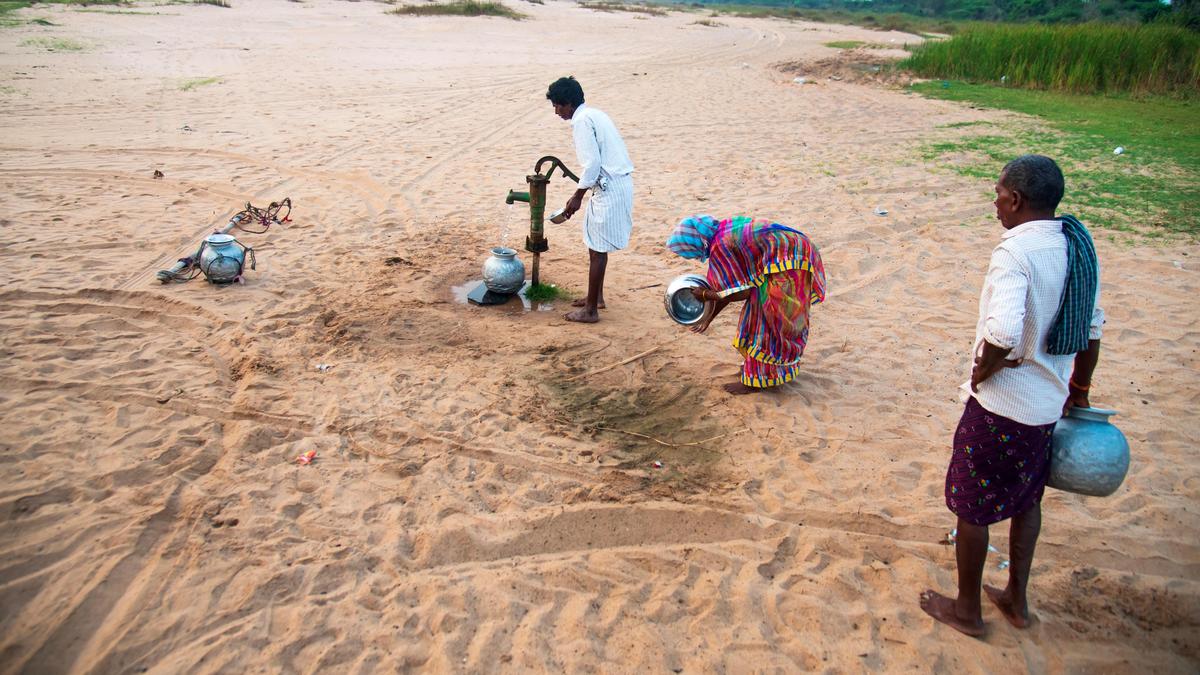
Prakasam district has historically been one of the more difficult regions in Andhra Pradesh when it comes to water security. The area often deals with heatwaves and inconsistent monsoon seasons. For many years, farmers in these villages struggled to find enough water to sustain their livelihoods. Groundwater was being used faster than it could be replaced, leading to a dangerous drop in the water table. The Jal Sanchay Jan Bhagidari campaign was introduced to fix this imbalance. It moves away from large, expensive dams and instead focuses on small, local projects that keep water where it falls. This approach is much more sustainable for rural communities that rely on wells and borewells for their daily needs.
Public or Industry Reaction
The reaction to the news has been very positive. Local leaders in Prakasam have praised the villagers for their hard work and dedication. Many environmental experts believe that this "bottom-up" approach is the best way to fight water scarcity in India. By involving the people who actually use the water, the projects are more likely to be looked after and kept in good condition. Other nearby villages are now looking at Murugummi, Marella, and Thangella as examples to follow. There is a sense of pride in the district, as these awards show that local efforts are being noticed at the highest levels of the national government.
What This Means Going Forward
Winning these awards is just the beginning for these villages. The next step is to ensure that the water harvesting structures remain functional for years to come. This will require regular maintenance, such as removing silt from ponds and keeping recharge pits clear of debris. For the rest of the country, the success in Prakasam provides a clear roadmap. It shows that water scarcity can be beaten if communities take ownership of their resources. The government is expected to use the data and methods from these villages to train leaders in other dry regions. As climate change makes rainfall more unpredictable, these local water-saving techniques will become even more important for survival.
Final Take
The achievement of Murugummi, Marella, and Thangella proves that teamwork and simple planning can overcome even the toughest environmental problems. By turning rainwater harvesting into a community habit, these villages have secured their future and set a high standard for the rest of the nation. Their story is a reminder that the best solutions to big problems often start right at home, with the people who are most affected by them.
Frequently Asked Questions
What is the Jal Sanchay Jan Bhagidari campaign?
It is a national government initiative that encourages local communities to participate in saving and storing water. The goal is to make water conservation a shared responsibility among all citizens.
How did the villages win the awards?
The villages won by building effective rainwater harvesting systems, such as recharge pits and pond restoration projects, which helped increase local groundwater levels through community effort.
Why is rainwater harvesting important in Prakasam?
Prakasam is a dry district with limited water resources. Rainwater harvesting helps catch the rain that falls during the monsoon so it can be used during the dry months, supporting both farming and daily life.

