
Summary
The Mumbai Metropolitan Region Development Authority (MMRDA) is moving forward with a plan to bring pod taxis to more parts of the region. After starting the project in the Bandra Kurla Complex (BKC), officials are now planning to expand the network to Thane and Mira-Bhayandar. This new transport system aims to solve the problem of "last-mile connectivity," making it easier for people to get from train stations to their final destinations. By using small, automated vehicles on elevated tracks, the project hopes to reduce road traffic and provide a faster way to travel in crowded areas.
Main Impact
The expansion of the pod taxi network will change how thousands of people travel every day. In cities like Thane and Mira-Bhayandar, the roads are often blocked by heavy traffic, making short trips take a long time. These pod taxis will run on their own tracks above the ground, meaning they will not get stuck in traffic jams. This will provide a reliable and modern choice for commuters who currently rely on crowded buses or expensive auto-rickshaws. It also marks a shift toward using more technology to fix old transport problems in the Mumbai Metropolitan Region (MMR).
Key Details
What Happened
Following the progress of the pod taxi project in BKC, the MMRDA has decided to look at other busy areas that need better transport. Thane and Mira-Bhayandar have been chosen as the next locations for this network. The authorities are currently working on the early stages of planning, which includes mapping out the best routes and checking how many people will use the service. These pods are driverless and run on electricity, making them a cleaner and more modern way to move around the city.
Important Numbers and Facts
The first pod taxi project in BKC is set to cover a distance of about 8.8 kilometers. It will feature 38 different stations along the route, connecting the Bandra and Kurla railway stations to the main business buildings in the area. Each pod is designed to carry about six passengers at a time. For the new areas like Thane and Mira-Bhayandar, the routes are expected to be several kilometers long, focusing on connecting major residential zones to the nearest railway or metro stations. The goal is to have pods arriving every few minutes so that passengers do not have to wait long.
Background and Context
Mumbai and its nearby cities have some of the most crowded transport systems in the world. While the local trains and the new metro lines carry millions of people over long distances, getting from the station to an office or home is still very difficult. This is what experts call the "last-mile" problem. People often have to walk long distances in the heat or wait in long lines for shared transport. Pod taxis, also known as Personal Rapid Transit (PRT), are designed to fix this specific issue. They are smaller than buses or trains, which makes them perfect for narrow city streets where building a full metro line is not possible.
Public or Industry Reaction
Many commuters in Thane and Mira-Bhayandar have welcomed the news, as they are tired of the daily struggle with traffic. Local residents believe that a dedicated track for pods will save them at least 20 to 30 minutes of travel time during peak hours. However, some transport experts have raised questions about the cost of the tickets. They argue that for the project to be successful, the fares must be low enough for the average worker to afford. There is also some concern about how the construction of the elevated tracks will affect the already narrow roads in these cities during the building phase.
What This Means Going Forward
If the projects in Thane and Mira-Bhayandar are successful, the MMRDA may look at other parts of the region, such as Navi Mumbai or the western suburbs. The success of the BKC pilot will be the first big test for this technology in India. Moving forward, the government will need to find private partners to help build and run the system. The long-term goal is to create a network where a passenger can hop off a train and immediately get into a pod taxi that takes them right to their doorstep. This would significantly reduce the number of private cars and rickshaws on the road, leading to less pollution and faster travel for everyone.
Final Take
The plan to bring pod taxis to Thane and Mira-Bhayandar shows that city planners are looking for creative ways to handle growth. While traditional trains and buses are still the backbone of the city, these small automated pods offer a smart solution for short, busy routes. If built correctly and priced fairly, this network could become a model for other crowded cities across the country. It is a bold step toward making daily travel less stressful for the common person.
Frequently Asked Questions
What exactly is a pod taxi?
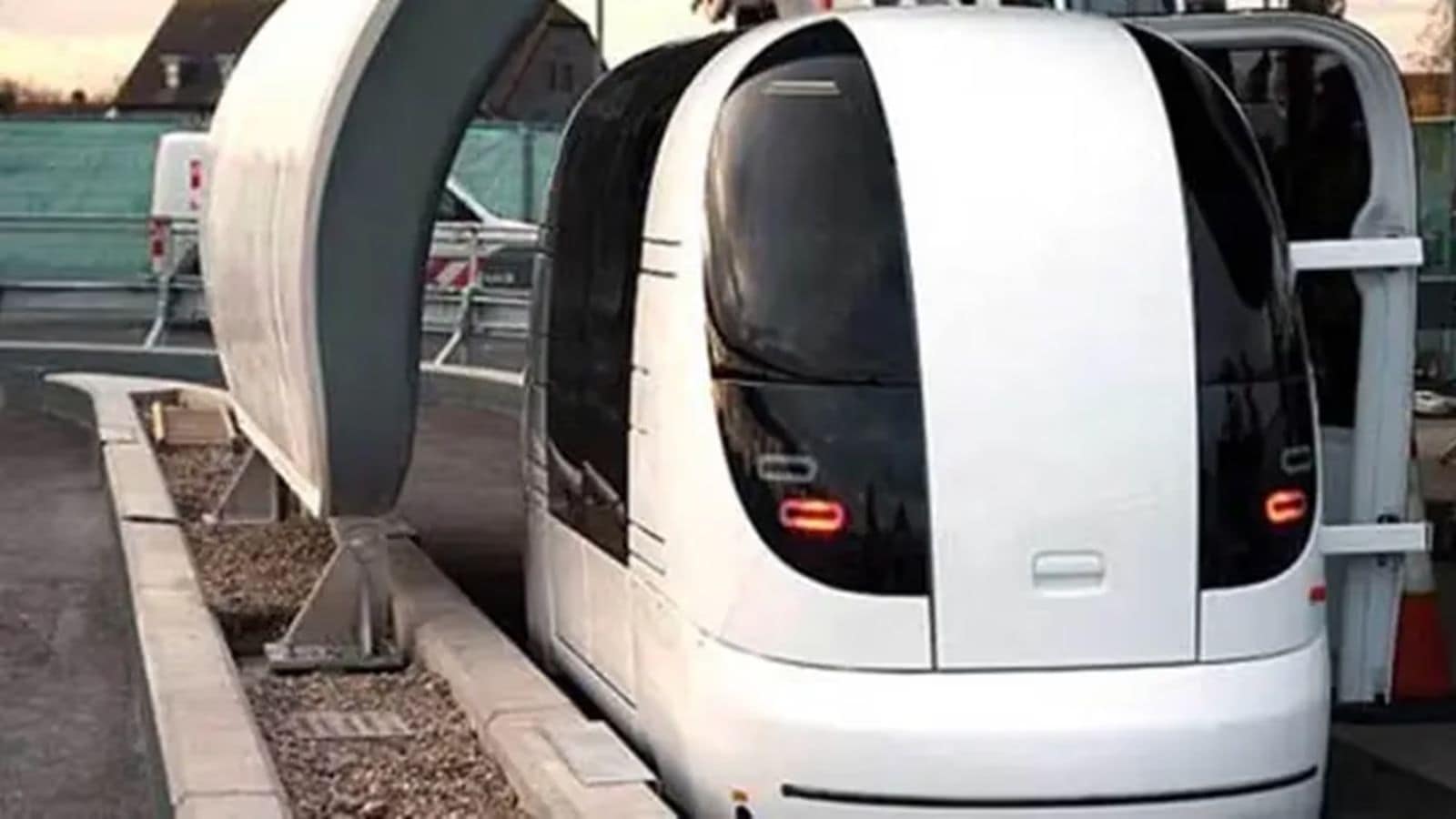
A pod taxi is a small, automated vehicle that runs on a special track, usually built above the ground. It does not have a driver and is powered by electricity. It carries a small number of people directly to their destination without many stops.
Why are Thane and Mira-Bhayandar being chosen?
These areas have very high population density and face major traffic problems. Many people live there but work elsewhere, creating a huge demand for better ways to get to and from railway stations.
When will these pod taxis start running?
The project is currently in the planning and bidding stage. The BKC line will likely be finished first, and the work in Thane and Mira-Bhayandar will follow after the plans are finalized and approved by the government.



