
Summary
Prime Minister Narendra Modi has officially started several major infrastructure projects in West Bengal. These projects are worth a total of Rs 18,680 crore and focus on improving how people and goods move across the state. The main areas of focus include new railway lines, better port facilities, and a large oil pipeline. These updates are part of a larger plan to help the economy of Eastern India grow faster by making transport and energy more reliable.
Main Impact
The launch of these projects marks a big step forward for the industrial growth of West Bengal. By spending over Rs 18,000 crore, the government aims to fix old transport problems and provide better energy resources to local businesses. The most immediate effect will be seen in the energy sector, where a new pipeline will help supply oil to refineries more efficiently. Additionally, the railway upgrades will make daily travel easier for thousands of passengers and speed up the movement of goods like coal and steel.
Key Details
What Happened
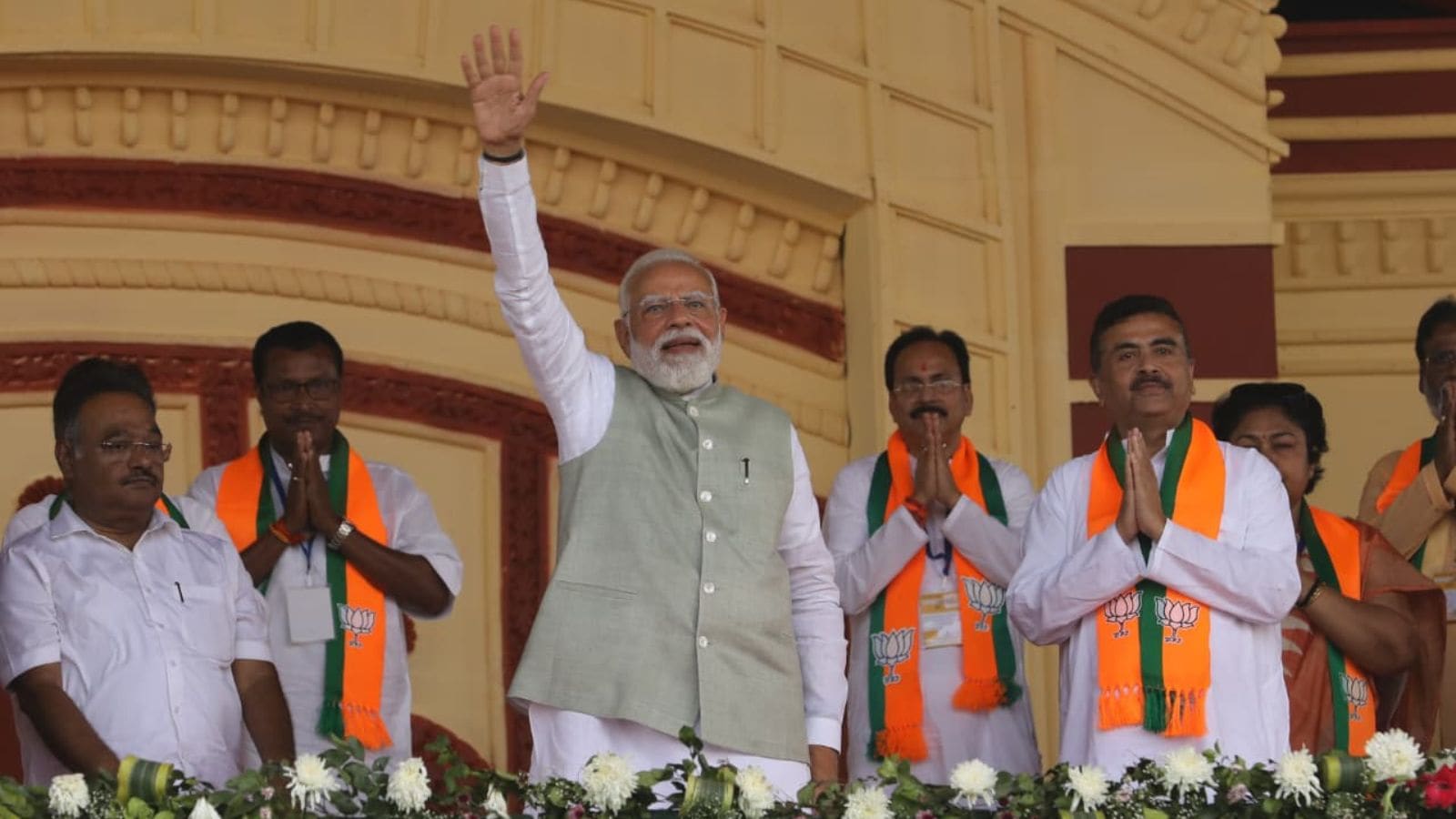
During a public event in the state, the Prime Minister inaugurated and laid the foundation stones for multiple projects. A major part of this visit was the opening of the Haldia-Barauni Crude Oil Pipeline. This pipeline is a vital link that carries raw oil to refineries in the region. Along with this, a new LPG bottling plant was opened in Kharagpur to help meet the growing demand for cooking gas in households. The event also highlighted several railway projects that have been completed to improve train frequency and safety.
Important Numbers and Facts
The total investment for these projects is exactly Rs 18,680 crore. One of the biggest pieces is the 520-kilometer-long Haldia-Barauni pipeline, which cost around Rs 2,790 crore to build. In the railway sector, the government spent money on doubling tracks and adding electricity to lines that previously used older technology. For example, the third rail line between Jhargram and Salboni was opened to reduce traffic on busy routes. At the Syama Prasad Mookerjee Port in Kolkata, new systems were put in place to help ships load and unload cargo much faster than before.
Background and Context
For a long time, the eastern part of India has needed better infrastructure to keep up with the rest of the country. West Bengal is a key gateway for trade with neighboring countries and other Indian states. However, old railway tracks and slow port operations have often held back business growth. The government’s "Purvodaya" plan is designed to change this by focusing specifically on the development of the East. By building better roads, rails, and energy networks, the goal is to make the region a hub for manufacturing and trade once again.
Public or Industry Reaction
Business leaders in the region have welcomed the news, noting that better logistics will lower the cost of doing business. Local residents are also hopeful that the new railway lines will mean fewer delays during their daily commutes. Government officials stated that these projects are not just about building structures, but about creating jobs for young people in the state. While some political groups have debated the timing of these projects, the general feeling among the public is that the improved services will be a benefit to everyone in the long run.
What This Means Going Forward
In the coming years, these projects will likely lead to more factories being built near the new transport hubs. The improved LPG plant in Kharagpur will ensure that families do not face shortages of cooking gas. As the railway lines become fully operational, we can expect more freight trains to move through West Bengal, which brings in more revenue for the state. The next steps will involve finishing the remaining parts of the railway expansion and ensuring that the port facilities are used to their full capacity to handle international trade.
Final Take
This massive investment shows a strong commitment to modernizing West Bengal’s infrastructure. By focusing on energy and transport, the government is laying the groundwork for long-term economic health. If these projects work as planned, they will make life easier for residents and make the state a much more attractive place for new businesses to set up shop.
Frequently Asked Questions
What is the total cost of the new projects in West Bengal?
The total value of the connectivity and infrastructure projects inaugurated by the Prime Minister is Rs 18,680 crore.
How will the Haldia-Barauni pipeline help the region?
The 520-km pipeline will transport crude oil safely and efficiently to refineries, ensuring a steady supply of fuel and energy for the eastern states.
Which sectors are getting the most investment?
The primary sectors receiving investment are oil and gas, railways, and port infrastructure, all aimed at improving how goods and people move through the state.



