
Summary
Prime Minister Narendra Modi has called for the people of India to show the same kind of unity seen during the Covid-19 pandemic. This request comes as the war in West Asia continues to create serious risks for the country. For nearly three weeks, the government had told the public that India’s energy and fuel supplies were safe. However, the Prime Minister’s new statement in Parliament suggests that the situation is now much more urgent. This change in tone has led to many questions from political leaders and the public about the true state of the economy.
Main Impact
The biggest impact of this announcement is the sudden shift in how the government describes the crisis. By using the phrase "Covid-like unity," the Prime Minister is signaling that the war is no longer just a distant conflict. It is now a direct threat to India’s financial stability and energy needs. This warning has caused concern because it reminds people of the lockdowns and supply problems from a few years ago. It also suggests that the government is preparing for a long period of economic difficulty, including higher prices for basic goods and potential shortages of fuel.
Key Details
What Happened
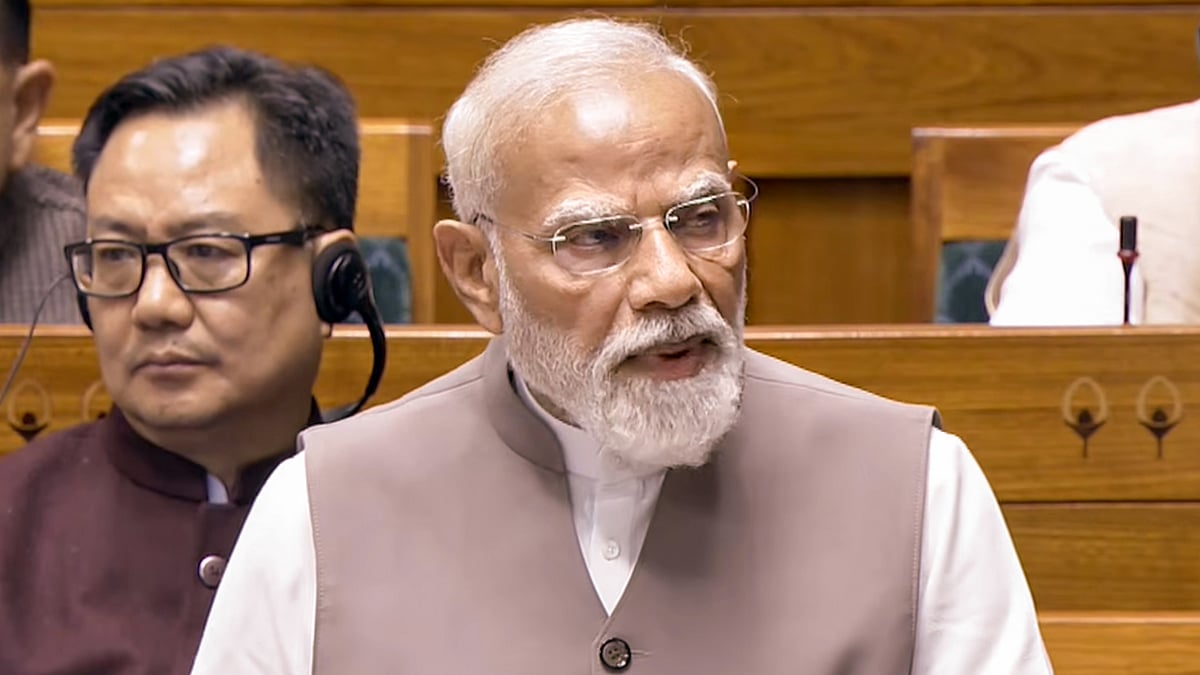
On March 23, 2026, Prime Minister Modi spoke to Parliament about the ongoing war in West Asia. He called the current situation "worrisome" and warned that it could hurt India’s economy and its people. He specifically pointed out that shipping routes through the Strait of Hormuz are at risk. This area is a vital path for ships that bring oil and gas to India. If these routes are blocked or become too dangerous, the cost of energy will likely go up for everyone in the country.
Important Numbers and Facts
The war has been going on for 24 days. During this time, several economic problems have started to appear. The Indian rupee has lost value against the dollar, and the stock market has seen sharp drops. There are also reports that the use of LPG, or cooking gas, has gone down because it is becoming harder to get. Many small businesses, such as restaurants and catering companies, are already feeling the pressure of these supply disruptions. Critics have noted that it took over three weeks of these problems before the government admitted the scale of the challenge.
Background and Context
India relies very heavily on West Asia for its energy needs. Most of the oil and gas used to power cars, factories, and homes comes from this region. Because of this, any war or conflict there quickly affects the Indian economy. In the past, India has tried to stay neutral and maintain good relationships with all countries in the area. However, as this conflict grows, it is becoming harder to keep that balance. The government’s earlier message was that India had enough stocks of fuel to stay safe, but the long duration of the war is now testing those limits.
Public or Industry Reaction
The reaction to the Prime Minister’s speech has been mixed. Many opposition leaders are asking why the government waited so long to speak clearly about the risks. Priyanka Gandhi Vadra of the Congress party said the Prime Minister did not offer any new information and called for a full debate in Parliament. Other leaders, like Arvind Kejriwal, criticized the government for not doing enough to help small businesses that are struggling with high fuel costs. Some journalists and experts also wondered if the government would allow people to disagree with its foreign policy, or if critics would be labeled as unpatriotic for asking questions about the crisis.
What This Means Going Forward
In the coming weeks, the government will need to show how it plans to protect the economy. Calling for unity is one step, but people are looking for practical solutions to the rising costs of living. India will likely continue to talk with global leaders to try and stop the war from spreading. At home, the focus will be on making sure that cooking gas and petrol remain available for everyone. If the supply problems continue, the government may have to introduce new measures to support the sectors that are being hit the hardest, such as transport and small-scale manufacturing.
Final Take
The move from saying "all is well" to asking for "Covid-like unity" is a major turning point. It shows that the government is now deeply concerned about the war’s effect on India. While unity is important during a crisis, the public also needs clear facts and a solid plan. The true test for the government will be whether it can keep the economy stable while the world around it remains in conflict.
Frequently Asked Questions
Why did PM Modi mention Covid-19 in his speech?
He used the term to ask for the same level of national cooperation and focus that the country showed during the pandemic, as the West Asia war now poses a major threat to India's economy.
How does the war in West Asia affect India?
India gets much of its oil and gas from that region. The war disrupts shipping routes and causes fuel prices to rise, which makes everything from transport to cooking more expensive for Indian citizens.
What are the main concerns for small businesses?
Small businesses are worried about the shortage of LPG (cooking gas) and the rising cost of fuel. These issues make it harder for them to operate and can lead to lower profits or even closures.

