
Summary
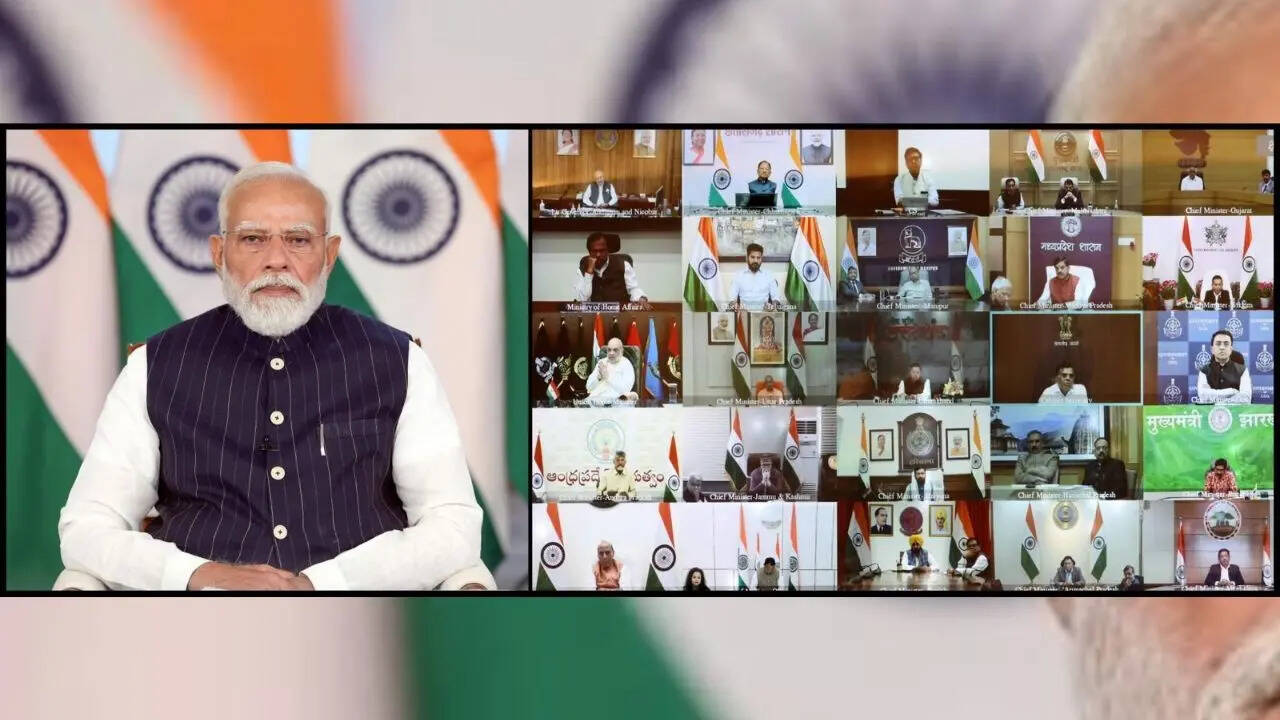
Prime Minister Narendra Modi recently held a high-level virtual meeting with Chief Ministers from across the country to discuss the growing crisis in the Middle East. The primary goal of the meeting was to address how the conflict involving Iran could affect India’s economy and daily life. Leaders focused on the rising costs of fuel, potential problems with shipping goods, and the overall increase in prices for essential items. By working together under the "Team India" spirit, the government aims to create a strong plan to protect the public from global economic shocks.
Main Impact
The most immediate concern for the government is the stability of the Indian economy during this period of international unrest. When a major conflict happens in the Middle East, it often leads to a sudden rise in crude oil prices. Since India buys a large portion of its oil from this region, any increase in global prices quickly reaches Indian petrol pumps. This does not just affect people with cars; it increases the cost of transporting food and other goods, which leads to higher prices for everyone.
The meeting highlighted that the central and state governments must coordinate their efforts to prevent panic and ensure that supply chains remain open. If the war continues to disrupt sea routes, the cost of importing and exporting goods will go up. This could slow down the country's growth and make it harder for businesses to operate. The government is focusing on keeping the "Team India" spirit alive to ensure that every state is prepared for these challenges.
Key Details
What Happened
Prime Minister Modi used a digital platform to connect with leaders from all states. He explained that the world is facing a difficult time and that India must stay alert. The discussion was not just about politics but about practical steps to keep the country running smoothly. The Prime Minister asked the Chief Ministers to look at their local resources and prepare for any sudden changes in the supply of fuel or food. The idea is to have a unified response so that no state is left struggling on its own.
Important Numbers and Facts
India is one of the world's largest consumers of energy. Currently, the country imports more than 80% of its crude oil requirements. A large part of this comes through the Middle East. During the meeting, officials reviewed the current levels of fuel reserves to see how long the country could last if imports were temporarily blocked. They also looked at inflation data, which tracks how fast prices are rising. The government wants to keep inflation within a safe limit to ensure that the middle class and the poor are not hit too hard by the war's side effects.
Background and Context
The Middle East is a vital region for global trade and energy. For many years, India has built strong ties with countries in this area to ensure a steady flow of oil and gas. However, when a war breaks out, especially one involving a major power like Iran, it creates uncertainty in the markets. Traders become worried, and prices go up even before any actual shortage happens. This is why the Prime Minister felt it was necessary to meet with state leaders immediately.
In the past, India has faced similar situations during other global conflicts. Each time, the lesson learned was that the country performs better when the central government and state governments work together. This "Team India" approach is meant to stop different parts of the country from moving in different directions during a crisis. It ensures that policies regarding taxes, transport, and emergency supplies are the same across the nation.
Public or Industry Reaction
Business leaders and industry experts have welcomed the move to hold this meeting early. Many were worried that the war would lead to a lack of clear information, causing markets to crash. By showing that the government is already planning for the worst, the Prime Minister has helped to calm some of those fears. State leaders also expressed their support, noting that they need help from the Centre to manage local fuel taxes and ensure that trucks carrying food can move across state borders without delays.
The general public remains concerned about the price of petrol and diesel. People are watching the news closely to see if their daily expenses will go up. The government’s promise to monitor the situation and take action against price gouging has provided some comfort to ordinary citizens.
What This Means Going Forward
In the coming weeks, the government will continue to monitor the situation in the Middle East every day. There will likely be more meetings between different departments to manage logistics. One of the next steps is to find alternative shipping routes if the main paths become too dangerous. The government may also look into buying oil from other parts of the world to reduce the risk of relying on just one region.
States have been asked to keep a close watch on the prices of essential goods like vegetables, milk, and medicines. If prices start to rise too fast, the government might step in to control them. The focus will remain on being prepared so that the country can handle any surprises that the war might bring.
Final Take
The meeting between PM Modi and the Chief Ministers shows that India is taking a proactive approach to global problems. Instead of waiting for the crisis to hit, the government is building a shield through cooperation and planning. While the war in the Middle East is far away, its effects can be felt in every Indian household. Staying united as "Team India" is the best way to ensure that the country remains stable and that the economy continues to move forward despite the challenges abroad.
Frequently Asked Questions
Why did PM Modi meet with the Chief Ministers?
The meeting was held to discuss how the war in the Middle East might affect India's fuel supply, prices, and economy. It was meant to ensure that the central and state governments work together to handle any problems.
How does a war in the Middle East affect India?
India gets a lot of its oil from the Middle East. A war there can make oil more expensive and disrupt shipping routes. This leads to higher prices for petrol, diesel, and everyday goods like food.
What is the "Team India" spirit mentioned in the meeting?
The "Team India" spirit refers to the central government and all state governments working together as one unit. This unity helps the country respond more effectively to national and international crises.



