
Summary
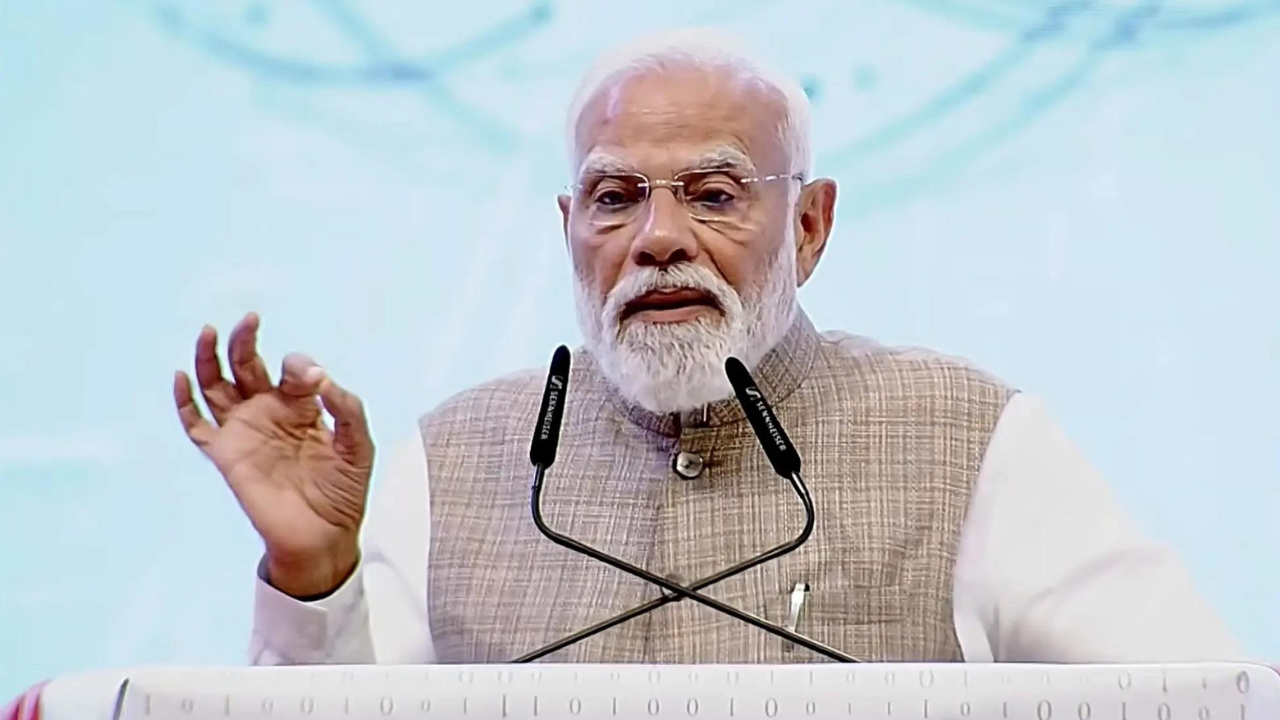
Prime Minister Narendra Modi recently held a significant telephone conversation with the Crown Prince of Kuwait to discuss regional peace and stability. During the call, the Prime Minister extended his warm greetings for the festival of Eid and expressed strong support for the sovereignty of nations in the Middle East. The discussion focused on the need for diplomatic solutions to ongoing conflicts and the importance of keeping international shipping routes safe for global trade. This interaction highlights India's growing role as a partner in maintaining balance and security in a vital part of the world.
Main Impact
The primary impact of this high-level talk is the reinforcement of India’s position as a neutral but active seeker of peace in the Gulf region. By speaking directly with the leadership of Kuwait, Prime Minister Modi has signaled that India will not remain silent when the sovereignty of its partner nations is threatened. This move helps strengthen the bond between India and the Gulf countries, which is essential for India's economic health. Furthermore, the emphasis on safe navigation through key waterways like the Strait of Hormuz sends a clear message to the international community about the necessity of protecting global energy supplies.
Key Details
What Happened
The conversation between Prime Minister Modi and Kuwait's Crown Prince, Sheikh Sabah Al-Khaled Al-Sabah, served two main purposes. First, it was a gesture of friendship and cultural respect through the exchange of Eid-ul-Adha greetings. Second, it was a serious diplomatic session aimed at addressing the rising tensions in the Middle East. The Prime Minister condemned any actions that violate the independence or borders of nations, calling for a return to peace through talk and negotiation rather than violence.
In addition to the talk with Kuwait, the Prime Minister held a similar discussion with the President of the United Arab Emirates (UAE), Sheikh Mohamed bin Zayed Al Nahyan. In both calls, the message was consistent: India wants a stable Middle East where trade can flow without fear of attack. The leaders discussed how to work together to ensure that the current regional conflicts do not spread further or cause more damage to the global economy.
Important Numbers and Facts
The Middle East is a critical region for India for several reasons. Millions of Indian citizens live and work in Gulf countries like Kuwait and the UAE. These workers send billions of dollars back to India every year, which supports the Indian economy. Additionally, India relies on this region for a large portion of its crude oil and natural gas. Any disruption in the Strait of Hormuz, which is a narrow water passage that handles about 20% of the world's oil trade, could lead to a sharp rise in fuel prices in India. By engaging in these talks, the Prime Minister is working to protect these vital economic interests.
Background and Context
To understand why these talks are so important, one must look at the current state of the Middle East. The region has seen an increase in military actions and threats to shipping vessels over the past year. These events have made many countries worried about the safety of their goods and people. India has traditionally maintained a policy of not taking sides in Middle Eastern conflicts, preferring instead to have good relations with all parties. However, as India's economy grows, it can no longer ignore the instability that threatens its energy security and the safety of its citizens living abroad.
Kuwait and the UAE are among India's closest partners in the region. They are not just providers of oil; they are also major investors in Indian infrastructure and technology. The welfare of the Indian diaspora—the group of Indian people living outside of India—is also a top priority for the government. Ensuring that these people are safe during times of regional tension is a major part of India's foreign policy goals.
Public or Industry Reaction
Foreign policy experts have noted that India is becoming more vocal about its expectations for regional security. Industry leaders in the energy and shipping sectors have welcomed the Prime Minister's focus on safe navigation. They believe that India's involvement can help lower the risk for merchant ships traveling through dangerous waters. Within India, the news has been seen as a positive step toward ensuring that the millions of Indians working in the Gulf feel supported by their home government. The diplomatic community views these calls as a sign that India is ready to use its influence to encourage dialogue over confrontation.
What This Means Going Forward
Looking ahead, we can expect India to continue its "link west" policy, which involves deepening ties with Middle Eastern nations. The government will likely keep pushing for a diplomatic end to regional wars, as stability is the only way to ensure long-term economic growth. There may be more joint efforts between India and Gulf nations to secure maritime routes. If tensions continue to rise, India might also increase its naval presence in international waters to protect its cargo ships. The focus will remain on protecting the "three Es": Energy, Economy, and Expatriates.
Final Take
Prime Minister Modi’s outreach to Kuwait and the UAE shows that India is taking a proactive approach to global challenges. By combining holiday greetings with serious talk about peace and sovereignty, India is building stronger, more personal relationships with world leaders. This strategy is not just about politics; it is about securing the daily lives of millions of Indians who depend on stable oil prices and safe working conditions abroad. As the world watches the Middle East, India is making it clear that it stands for peace, law, and the safety of global trade.
Frequently Asked Questions
Why did PM Modi call the Crown Prince of Kuwait?
The Prime Minister called to give Eid greetings and to discuss ways to maintain peace and security in the Middle East during a time of regional conflict.
What is the Strait of Hormuz and why is it important?
The Strait of Hormuz is a narrow waterway between the Persian Gulf and the Gulf of Oman. It is important because a large amount of the world's oil and gas is shipped through it every day.
How does conflict in the Middle East affect India?
Conflict can lead to higher oil prices, which makes everything more expensive in India. It also puts the safety of millions of Indian workers living in the region at risk.



