
Summary
Prime Minister Narendra Modi recently turned a simple snack break into a sharp political message during his visit to West Bengal. After stopping to eat "jhalmuri," a popular local snack made of puffed rice, he faced heavy criticism from the Trinamool Congress (TMC). Modi responded to the attacks by saying his opponents felt the "heat of the chillies" from his snack choice. This exchange shows how even small, everyday actions can become major points of conflict between political rivals in India.
Main Impact
The "jhalmuri" incident has shifted the political conversation in West Bengal from high-level policy to personal interactions and cultural symbols. By stopping for a local snack, the Prime Minister tried to show a connection with the common people of the state. However, the reaction from the TMC highlights the deep divide between the two parties. This event has energized supporters on both sides and turned a simple roadside stop into a widely discussed news story across the country.
Key Details
What Happened
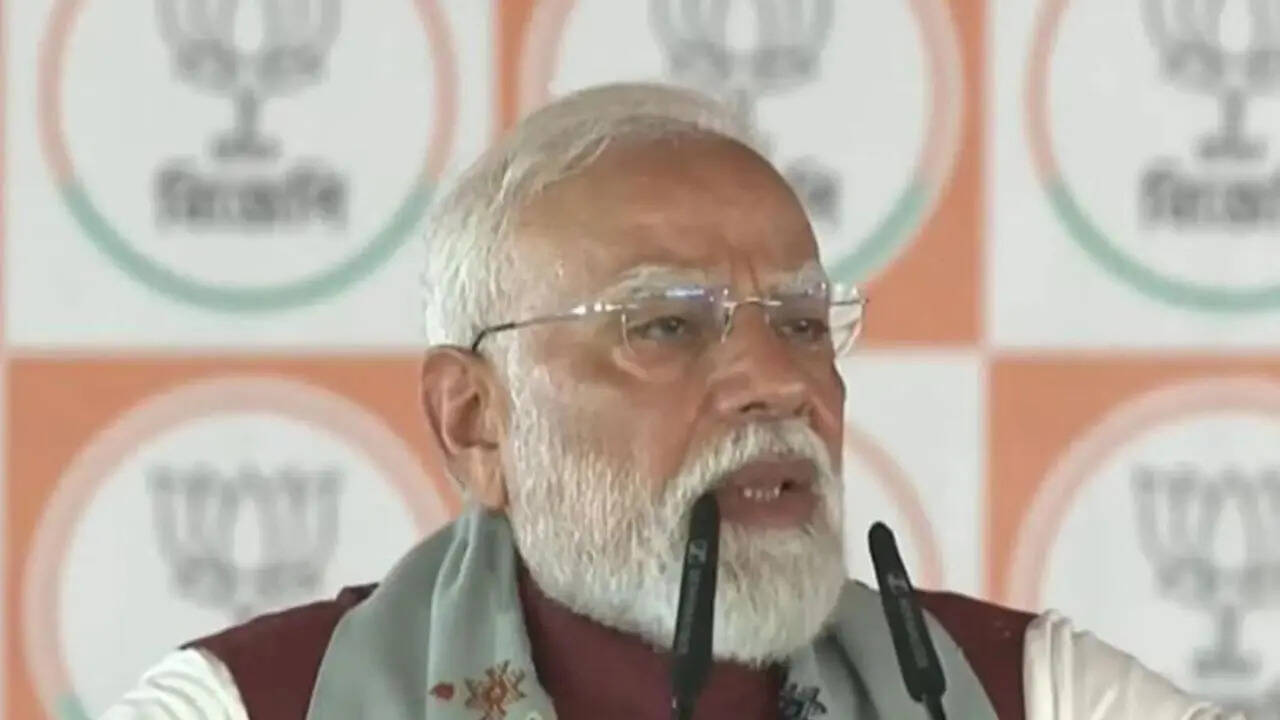
While traveling through West Bengal for his election campaign, Prime Minister Modi made an unplanned stop at a small roadside stall. He bought a packet of jhalmuri, which is a very common and loved street food in the region. Shortly after photos and videos of this moment went viral, the TMC leadership called the move a "scripted drama." They argued that the stop was fake and intended only for the cameras. They also claimed that the Prime Minister’s presence caused problems for a local Adivasi leader. In response, Modi used a public rally to mock these claims, suggesting that the spicy chillies in the jhalmuri were making the TMC feel uncomfortable.
Important Numbers and Facts
The incident took place during a high-stakes election period where every seat in West Bengal is being fought for. Jhalmuri is sold by thousands of small vendors across the state, making it a symbol of the local economy. The Prime Minister predicted that when the election results are announced, the BJP will celebrate its success by sharing both sweets and jhalmuri with the people. This statement was meant to show confidence in a victory over the ruling state party.
Background and Context
West Bengal is one of the most important states in Indian politics. For years, the TMC and the BJP have been locked in a tough battle for power. In this state, culture and food are very important to the voters. Politicians often try to show they understand local traditions to win trust. Jhalmuri is more than just food; it is a part of daily life for millions of people in Bengal. By eating it, a leader from outside the state tries to signal that they are not a stranger to the local way of life. The TMC, which has ruled the state for a long time, often views these moves as attempts by "outsiders" to pretend they belong in Bengal.
Public or Industry Reaction
The reaction to the "jhalmuri" stop was split along party lines. BJP supporters praised the Prime Minister for being humble and enjoying the same food as a common citizen. They shared the images widely to show him as a leader who is easy to talk to. On the other side, TMC leaders and their followers were quick to dismiss the event. They called it a "photo op" and said it was a distraction from more serious issues like the price of gas and the lack of jobs. Some social media users found the "chillies" comment funny, while others felt that political talk should focus on more important matters than snacks.
What This Means Going Forward
This event shows that the political fight in West Bengal is becoming very personal. We can expect to see more of these small, symbolic gestures as the election continues. Both parties are looking for any way to make the other side look bad or out of touch. For the BJP, the goal is to prove they are a true alternative to the TMC. For the TMC, the goal is to protect their home ground and portray the BJP as a party that does not truly understand Bengali culture. These small arguments over food and behavior will likely continue until the final votes are counted.
Final Take
Whether the snack break was a natural moment or a planned event, it succeeded in getting everyone’s attention. It proves that in the world of modern politics, a small bag of puffed rice can be just as powerful as a long speech. The "jhalmuri" debate is a clear sign of how intense the competition has become, where even a spicy snack can lead to a "thunderous jolt" between the nation's most powerful leaders.
Frequently Asked Questions
What is jhalmuri?
Jhalmuri is a popular street food from West Bengal. It is made by mixing puffed rice with mustard oil, spices, onions, chillies, and various crunchy snacks. It is known for being spicy and flavorful.
Why did the TMC criticize PM Modi’s snack break?
The TMC claimed the stop was a "scripted drama" designed for television cameras. They also alleged that the event was disrespectful to a local Adivasi leader who was in the area at the time.
What was PM Modi’s "chillies" comment about?
PM Modi used the spicy nature of the jhalmuri snack as a metaphor. He suggested that the TMC was complaining because they felt the "heat" of his presence and his growing popularity in the state, just like the heat from green chillies.



