
Summary
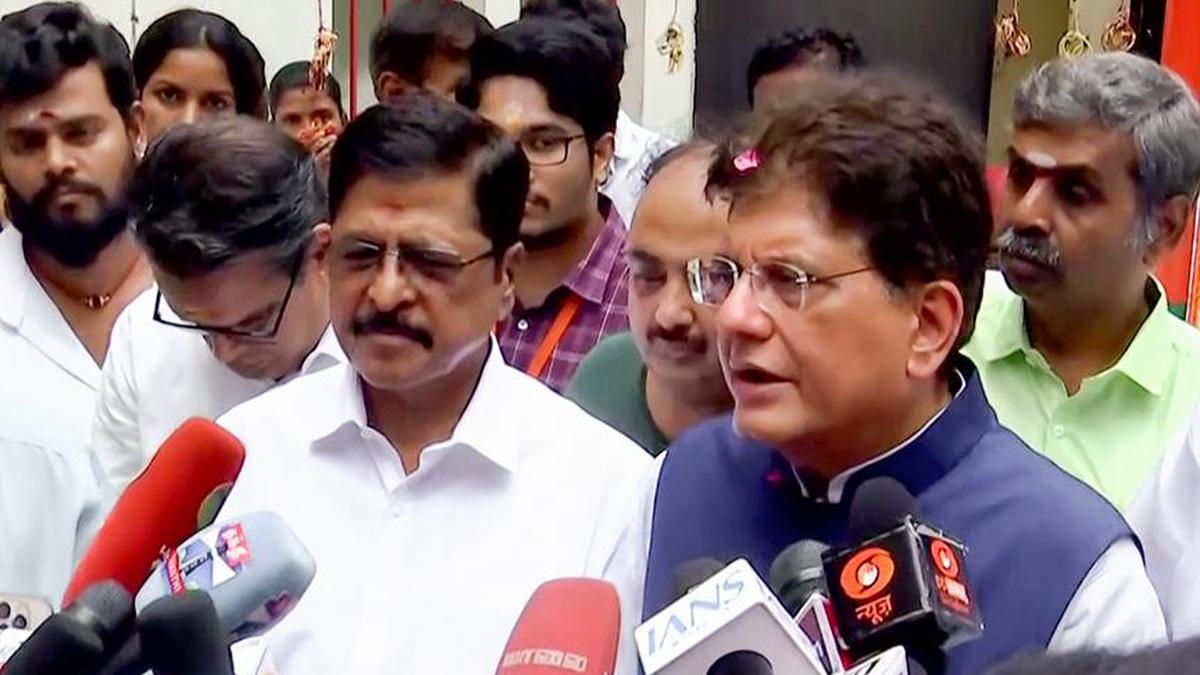
Union Minister Piyush Goyal has raised serious questions regarding the implementation of Central government programs in Tamil Nadu. During a recent visit related to the upcoming Assembly elections, Goyal criticized Chief Minister M.K. Stalin for allegedly blocking development in the state. He argued that the people of Tamil Nadu are missing out on important benefits because the state government refuses to work closely with the Union government. This debate highlights the growing political tension as parties prepare for a major election battle.
Main Impact
The primary impact of these statements is a shift in the election narrative toward development and governance. By focusing on Central schemes, the BJP is trying to show that the current state leadership is an obstacle to progress. This forces the ruling DMK party to defend its record and explain why it chooses to modify or reject certain federal programs. For the average voter, this discussion brings attention to whether they are receiving the full benefits of taxes paid to both the state and the central government.
Key Details
What Happened
Piyush Goyal, a senior leader in the Union Cabinet, spoke directly about the lack of cooperation from the Tamil Nadu government. He pointed out that many programs designed to help the poor, improve infrastructure, and provide better healthcare are not being fully used in the state. Goyal suggested that the state government is more interested in political credit than in the actual welfare of the citizens. He asked the Chief Minister to explain why these resources are being ignored while other states are moving ahead with them.
Important Numbers and Facts
The criticism comes at a time when Tamil Nadu is gearing up for the Assembly elections scheduled for 2026. The Union government has launched several large-scale projects, including the Jal Jeevan Mission for clean water and the PM Awas Yojana for affordable housing. Goyal hinted that the funding for these projects is available, but the state's participation remains low compared to national averages. He also mentioned that the central government has allocated significant funds for railway and highway development in the region, which requires local cooperation to succeed.
Background and Context
The relationship between the central government in New Delhi and the state government in Chennai has been tense for several years. The DMK, led by M.K. Stalin, often argues that the Centre tries to impose its will on states, ignoring local culture and needs. On the other hand, the BJP argues that a "double engine" government—where the same party or a friendly party rules both the state and the centre—is the best way to ensure fast growth. This ideological divide is a major part of Tamil Nadu's political history, where state identity and local rights are very important to the public.
Public or Industry Reaction
The reaction to Goyal’s comments has been split along party lines. Supporters of the BJP believe that the state government is playing politics with development and that the people deserve better access to central funds. They argue that rejecting central schemes only hurts the poor. Meanwhile, DMK leaders and their supporters have dismissed the claims. They often state that Tamil Nadu already has better social welfare programs than most other states and that central schemes are sometimes less effective than the local versions already in place. Industry experts have noted that while the state is a leader in manufacturing, better cooperation with the Centre could help speed up large infrastructure projects that are currently delayed.
What This Means Going Forward
As the election campaign gets closer, we can expect more heated exchanges over the issue of development. The BJP will likely continue to use the "lack of implementation" argument to try and win over voters who feel the state is stagnating. Chief Minister M.K. Stalin and his party will likely counter this by highlighting their own "Dravidian Model" of growth, which focuses on social justice and local control. The next few months will show whether voters care more about the benefits of central schemes or the protection of state autonomy. This debate will also influence how future policies are negotiated between Chennai and New Delhi.
Final Take
The clash between Piyush Goyal and M.K. Stalin is a clear sign that the fight for Tamil Nadu will be based on the record of governance. While political leaders argue over who should get credit for progress, the real focus remains on the citizens who need these services. Whether the state adopts central schemes or creates its own, the priority must be delivering results to the people. The upcoming election will serve as a test to see which vision of development the public trusts more.
Frequently Asked Questions
Why is Piyush Goyal criticizing the Tamil Nadu government?
He claims the state government is not implementing Central government schemes, which he says is preventing the state from developing as fast as it should.
What is the "Dravidian Model" mentioned by the state government?
It is a style of governance used by the DMK that focuses on social equality, local language rights, and state-funded welfare programs rather than relying solely on central government plans.
When are the next Tamil Nadu Assembly elections?
The next major Assembly elections in Tamil Nadu are expected to take place in 2026, and parties are already starting their campaigns to win over voters.



