
Summary
The Philippines has officially declared a national energy emergency as the country’s fuel reserves have dropped to just 40 days. President Ferdinand Marcos Jr. announced the move in response to growing conflicts in the Middle East, which threaten the global supply of oil. This declaration allows the government to take extreme measures to save energy, speed up the buying of fuel, and help citizens deal with rising costs. It is a serious step taken to prevent the country’s economy and transport systems from stopping entirely.
Main Impact
The most immediate impact of this emergency is the threat to daily travel and business operations. With only 40 days of fuel left, the government has warned that airplanes could be grounded and factories may have to limit their work hours. If the situation does not improve, the country could face a period of rationing, where fuel is only given to the most important services. This move is designed to protect the nation from a total energy collapse while leaders look for ways to secure more oil from other parts of the world.
Key Details
What Happened
President Marcos Jr. issued a formal warning stating that the nation is in a vulnerable position. The conflict in the Middle East has made it harder and more expensive to bring oil into the Philippines. Because the country relies heavily on imported fuel, any disruption in global shipping lanes causes an immediate problem at home. The government is now using its emergency powers to bypass normal, slow rules for buying fuel so they can restock as quickly as possible.
Important Numbers and Facts
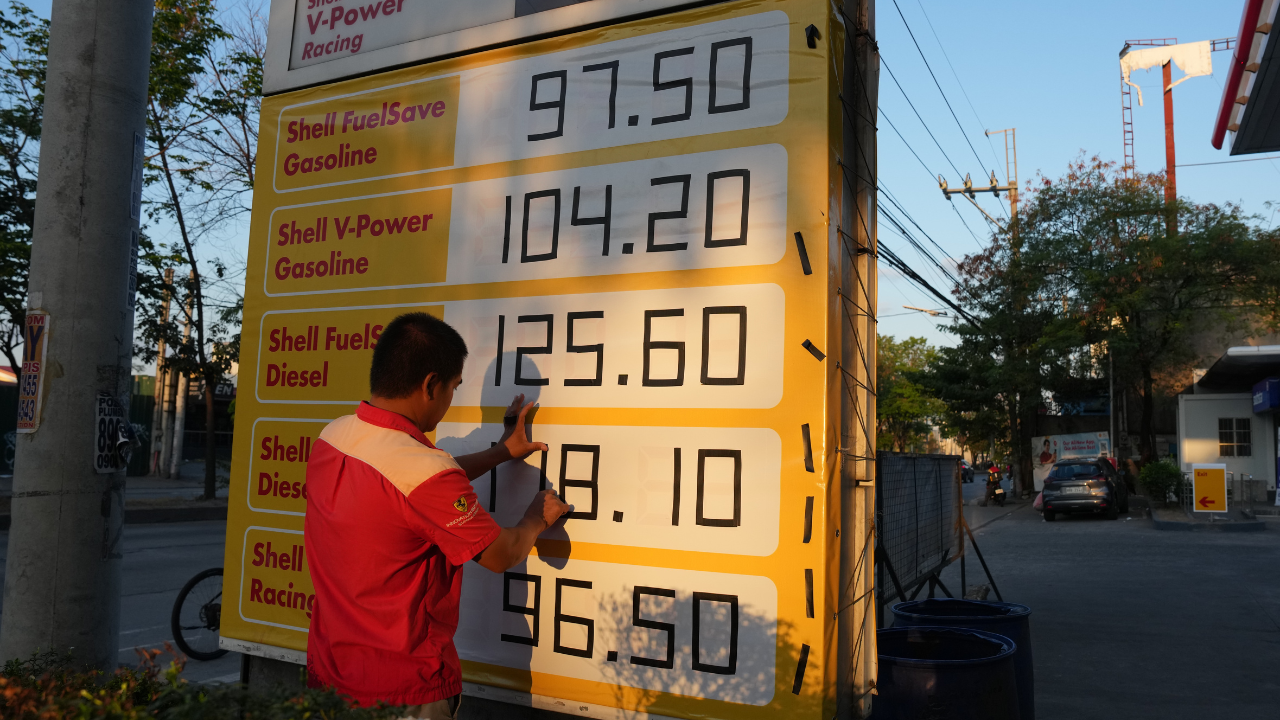
The most critical figure in this crisis is the 40-day supply limit. Most countries try to keep a much larger reserve to handle unexpected problems. Having less than six weeks of fuel means there is very little room for error. The government has also mentioned that they will focus on "commuter relief," which could mean subsidies or lower fares for people who use public transport, as gas prices are expected to rise sharply during this period.
Background and Context
The Philippines does not produce enough of its own oil to meet the needs of its people and businesses. It buys almost all of its fuel from other countries. This makes the nation very sensitive to global events. When there is a war or a big disagreement in the Middle East, the price of oil goes up everywhere, but countries like the Philippines feel the hit harder because they do not have large storage tanks or their own oil fields to fall back on. This is not the first time the country has faced energy worries, but the current global situation has made the risk much higher than usual.
Public or Industry Reaction
Business leaders and transport groups are expressing deep concern about what comes next. Airlines are worried that if fuel becomes too expensive or scarce, they will have to cancel flights, which would hurt tourism and trade. Owners of small businesses fear that higher electricity and transport costs will eat into their profits, forcing them to raise prices for customers. On the streets, drivers of public vehicles like jeepneys and buses are worried that they will not be able to afford to keep their vehicles running, which would leave millions of workers without a way to get to their jobs.
What This Means Going Forward
In the short term, the government will focus on conservation. This might include asking people to use less electricity or encouraging companies to let employees work from home to save on gas. The government will also try to find new countries to buy oil from to reduce the reliance on the Middle East. In the long term, this crisis will likely lead to more talk about building more solar, wind, and nuclear power plants so the Philippines does not have to depend so much on foreign oil in the future. For now, the focus is simply on making sure the lights stay on and the cars keep moving for the next 40 days.
Final Take
This energy emergency is a clear sign of how global problems can quickly become local crises. The 40-day countdown puts a lot of pressure on the government to act fast. While the emergency powers give the President the tools to manage the situation, the real solution depends on how quickly the global oil market stabilizes. For the average person in the Philippines, the coming weeks will likely mean higher costs and a greater need to save energy wherever possible.
Frequently Asked Questions
Why did the Philippines declare an energy emergency?
The country declared an emergency because it only has 40 days of fuel left and the conflict in the Middle East is making it difficult to get more supplies safely and affordably.
What powers does the government have now?
The government can now enforce energy saving rules, buy fuel faster by skipping some red tape, and provide financial help to commuters who are struggling with high travel costs.
Will there be fuel rationing?
President Marcos Jr. warned that rationing is a possibility for industries if the supply does not improve soon. This would mean businesses might only get a certain amount of fuel to keep essential parts of the economy running.

