
Summary
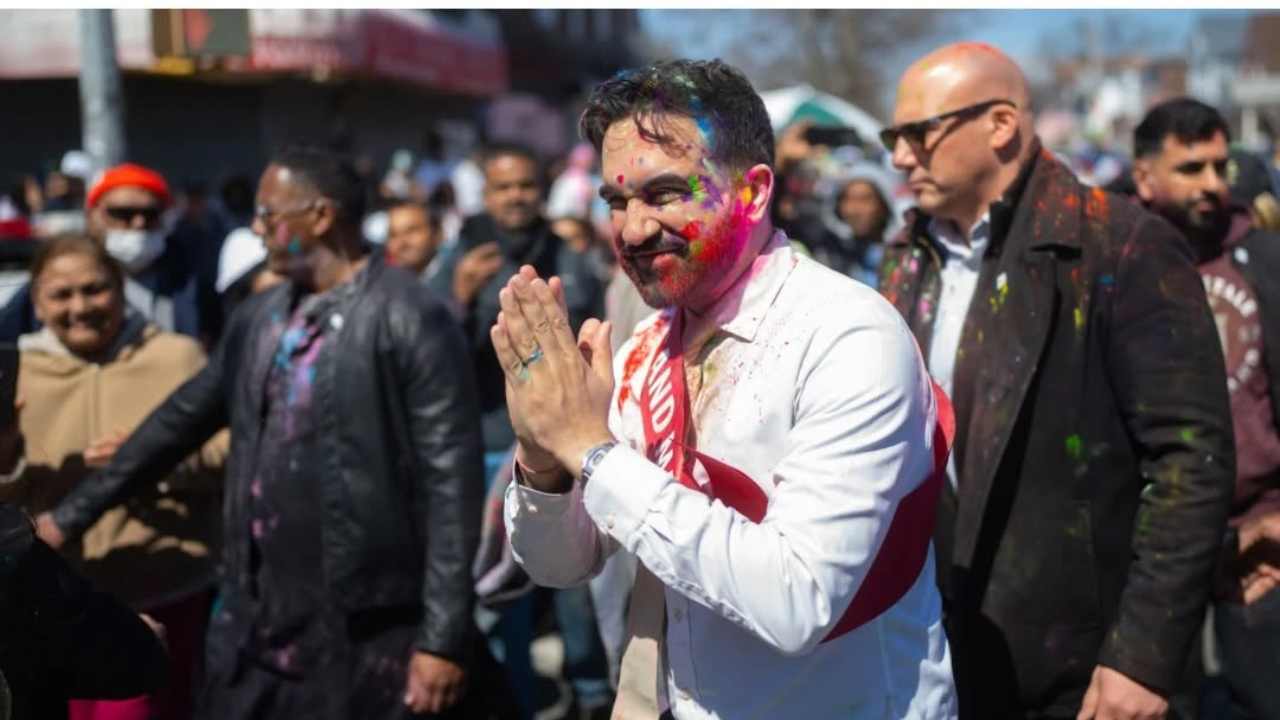
New York City Mayor Zohran Mamdani recently joined thousands of residents in Richmond Hill, Queens, to celebrate the 38th Annual Phagwah Parade. This event is a major celebration for the Indo-Caribbean community and marks the Hindu festival of Holi. The parade is a time to welcome the arrival of spring and celebrate the victory of good over evil. By attending, the Mayor highlighted the cultural importance of this community to the city's identity.
Main Impact
The Mayor’s participation in the Phagwah Parade sends a strong message of inclusion to the Indo-Caribbean population in New York City. For many years, Richmond Hill has been a center for people from Guyana, Trinidad, and Suriname. Having the city’s top official walk the streets and join the festivities shows that their traditions are a key part of the city's social fabric. This event helps strengthen the bond between the local government and the diverse immigrant groups that call Queens home.
Key Details
What Happened
The parade turned the streets of Richmond Hill into a sea of color. Participants followed a long route, often starting near Liberty Avenue, which is the heart of the neighborhood’s business district. People of all ages wore white clothing, which quickly became covered in bright powders known as "gulal." There were colorful floats, traditional music, and dancers who performed for the crowds lining the sidewalks. Mayor Mamdani was seen interacting with residents, taking photos, and even participating in the tradition of sharing colors.
Important Numbers and Facts
This year marked the 38th time the parade has been held in Queens, making it one of the oldest and largest celebrations of its kind in North America. Thousands of people attended the event, including local leaders, religious figures, and families from across the tri-state area. The parade is organized by a committee that works year-round to ensure the event stays true to its religious and cultural roots while remaining open to everyone in the city.
Background and Context
Phagwah is the Indo-Caribbean name for the Hindu festival of Holi. While the holiday started in India, it took on new meanings and traditions in the Caribbean. When people from countries like Guyana and Trinidad moved to New York City in the late 20th century, they brought these traditions with them. Richmond Hill became the primary home for this community, earning nicknames like "Little Guyana."
The festival is based on ancient stories about the triumph of light over darkness. It is also a seasonal celebration. In the agricultural calendar, it marks the end of winter and the start of the planting season. In New York, it serves as a way for the community to pass down their heritage to younger generations who were born in the United States. It is a day where social barriers are broken down, as the colored powder makes everyone look the same, regardless of their background or wealth.
Public or Industry Reaction
The reaction from the local community was very positive. Many residents expressed pride in seeing their culture celebrated on such a large scale. Local business owners on Liberty Avenue reported a high number of visitors, which provided a boost to the local economy. Community leaders noted that the Mayor’s presence helps bring more attention to the needs of Richmond Hill, such as better transportation and support for small businesses. On social media, many people shared videos of the event, praising the sense of unity and joy that the parade brought to the borough.
What This Means Going Forward
The success of the 38th Annual Phagwah Parade suggests that the event will continue to grow in size and importance. As the Indo-Caribbean community gains more political and social influence in New York, events like this will likely receive even more support from the city. There is a clear push to make sure that Queens remains a place where different religions and cultures can celebrate openly. For the city government, staying involved in these events is a way to maintain a good relationship with a large and active group of voters and residents.
Final Take
The Phagwah Parade is more than just a street party; it is a powerful display of how New York City thrives on diversity. When the Mayor joins in throwing colors and celebrating spring, it proves that the city’s strength comes from its many different communities. This celebration reminds everyone that no matter where they come from, they have a place in the story of New York. The event remains a bright spot in the city's cultural calendar, promising a future of harmony and shared joy.
Frequently Asked Questions
What is the difference between Holi and Phagwah?
Holi and Phagwah are different names for the same festival. "Phagwah" is the term most commonly used by people from the Indo-Caribbean diaspora, while "Holi" is the term used in India and other parts of the world.
Why do people throw colored powder during the parade?
The colored powder, or gulal, represents the colors of spring. It is also a way to show that everyone is equal. When everyone is covered in color, it is hard to tell people apart based on their status or background.
Is the Phagwah Parade open to people who are not Hindu?
Yes, the parade is a community event that welcomes everyone. While it has religious roots, it is a celebration of spring and unity that people of all faiths and backgrounds attend and enjoy.

