
Summary
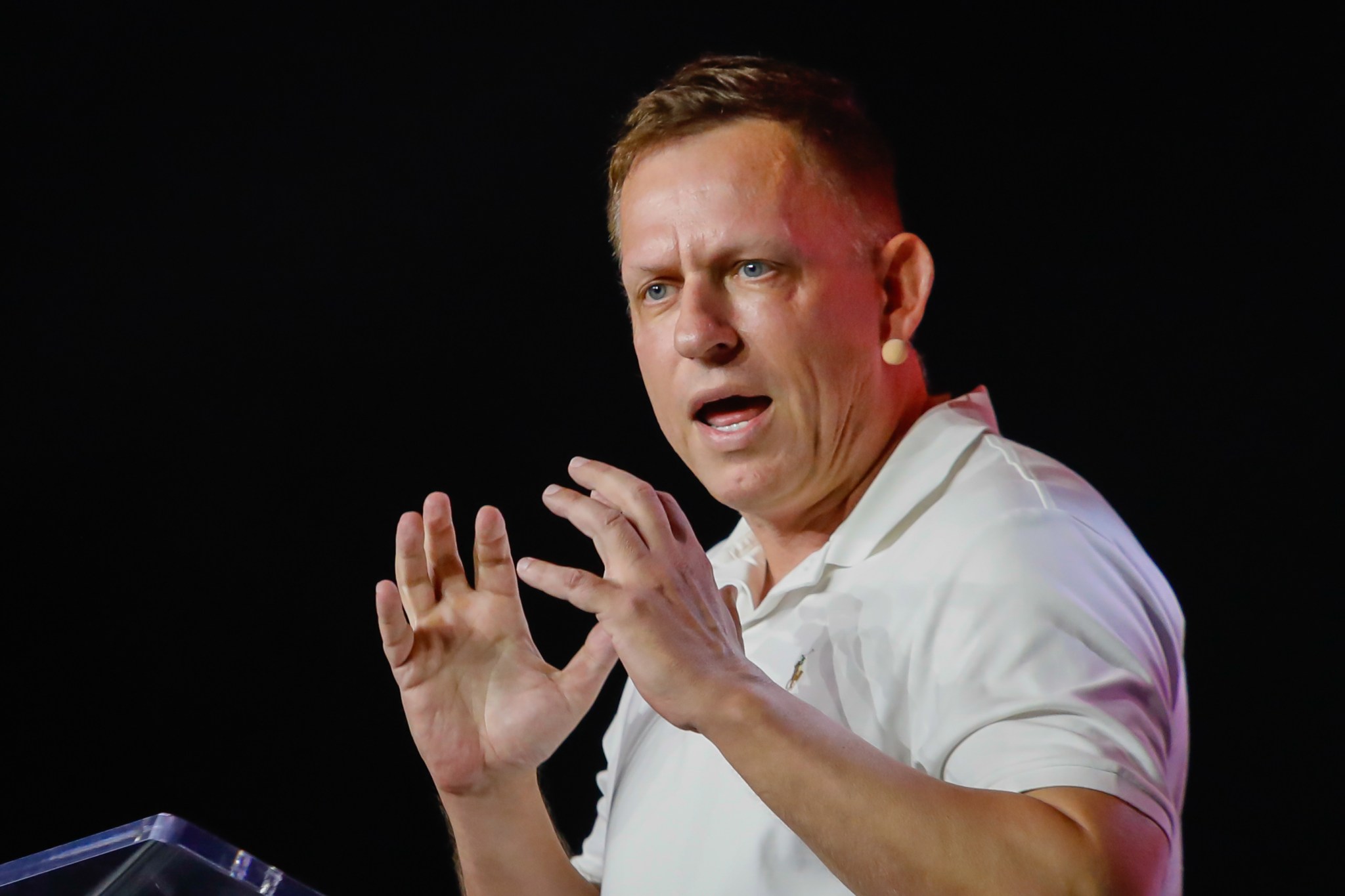
Billionaire investor Peter Thiel is making a strong effort to convince other wealthy individuals to leave the Giving Pledge. This famous campaign, started by Bill Gates and Warren Buffett, asks the world's richest people to give away at least half of their money to charity. Thiel argues that the group has lost its purpose and is no longer relevant in today's world. His actions suggest a growing shift in how billionaires view their responsibilities toward charity and wealth distribution.
Main Impact
The move by Thiel could signal a major change in global giving. For years, the Giving Pledge was seen as the gold standard for billionaire generosity. If more wealthy people follow Thiel’s advice and "unsign" the pledge, it could mean less money flowing into traditional non-profit organizations. This shift happens at a time when the gap between the rich and the poor is wider than ever. If the world's wealthiest people stop committing to large-scale charity, the "trickle-down" effect that many rely on to help society might start to dry up.
Key Details
What Happened
Peter Thiel has been vocal about his dislike for the Giving Pledge. In recent interviews, he called the organization a "fake boomer club" and suggested it is tied to outdated ways of thinking. Thiel admitted that he has been actively telling his wealthy peers to take back their promises. He specifically mentioned talking to Elon Musk, the world’s richest man, telling him to ditch the pledge. Thiel’s main argument to Musk was that the money would eventually be controlled by people like Bill Gates and used to fund political causes that Musk might not agree with.
Important Numbers and Facts
The Giving Pledge began in 2010 and has over 250 members. However, the number of new people joining has slowed down significantly. In 2024, only four people signed the pledge, and 14 joined in 2025. This is happening even though there are more billionaires now than ever before, with over 3,400 globally. While some people are pulling back, others are still giving massive amounts. For example, MacKenzie Scott gave away $7.2 billion last year alone, which is more than her ex-husband Jeff Bezos has given in his entire life. Warren Buffett has also donated more than $60 billion over the years, though he recently admitted that some of his original plans for giving were too difficult to complete.
Background and Context
The Giving Pledge was created to solve some of the world's biggest problems, like poverty and disease. At the time, it was seen as a way for the ultra-rich to show they cared about society. But the economic situation in the United States has changed. Data from the Federal Reserve shows that the top 10% of households now hold more than two-thirds of all the wealth in the country. Meanwhile, the middle class has been struggling. Because so much money is concentrated at the top, the way billionaires choose to spend or give away their fortunes has a huge impact on everyone else. Thiel’s push against the pledge reflects a new mindset where some wealthy individuals prefer to keep control of their money rather than giving it to large foundations.
Public or Industry Reaction
The leaders of the Giving Pledge have responded to the criticism by saying they welcome the discussion. Taryn Jensen, a leader at the organization, stated that the pledge helped create a culture where giving is expected. She noted that many members have already fulfilled their promises and continue to work toward their goals. On the other side, Thiel promotes his own version of helping society. Instead of traditional charity, he runs the Thiel Fellowship. This program gives $200,000 to young people who agree to drop out of college and start their own companies. Thiel believes that building new businesses is a better way to help the world than giving money to old-fashioned non-profits.
What This Means Going Forward
The future of big-ticket charity is now uncertain. If Thiel is successful in convincing more people to walk away, we might see a rise in "private philanthropy." This is where billionaires spend their money on their own projects or specific technologies rather than giving it to general charity funds. This could lead to more innovation in some areas, but it might also leave traditional charities that help with basic needs, like food and housing, with less support. The tension between traditional giving and Thiel’s more individualistic approach will likely grow as more billionaires decide how to handle their massive fortunes.
Final Take
The debate over the Giving Pledge is about more than just money; it is about power and control. While the pledge was designed to make giving a standard part of being wealthy, critics like Thiel see it as a way for a small group of people to influence the world. As the number of billionaires grows, the way they choose to use their wealth will continue to be a major topic of public debate. Whether they give it away through established groups or use it to fund their own visions, the impact on the global economy will be felt for decades.
Frequently Asked Questions
What is the Giving Pledge?
It is a campaign started in 2010 by Bill Gates and Warren Buffett. It asks the world's wealthiest people to promise to give away more than half of their wealth to charitable causes during their lifetime or in their will.
Why does Peter Thiel oppose the Giving Pledge?
Thiel believes the organization is outdated and that the money is often used to support political or social causes that the donors might not actually support. He prefers direct investment in individuals and new businesses.
Are billionaires still joining the Giving Pledge?
Yes, but the pace has slowed down. While there are thousands of billionaires worldwide, only a small number have signed up in the last few years, with only 14 new members joining in 2025.


