Summary
Peter Handscomb is proving his worth once again in the Sheffield Shield. While many batters across Australia are struggling to score runs, Handscomb has found a way to stay at the crease and help his team. This season has seen a clear trend where bowlers are in control, leading to a major discussion about the balance of the game. Handscomb’s ability to handle difficult conditions shows why he remains one of the most respected players in domestic cricket.
Main Impact
The current Sheffield Shield season has put a spotlight on the difficult life of a professional batter in Australia. With pitches offering a lot of help to fast bowlers, many young players are finding it hard to build long innings. Handscomb’s success is a rare bright spot that shows experience is vital when the ball is moving. His performance is not just helping Victoria win games; it is also setting a standard for what is required to play at the highest level of the sport.
Key Details
What Happened
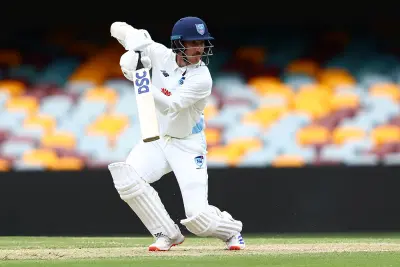
Throughout the current summer, the Sheffield Shield has been a tough environment for anyone holding a bat. Scores have been lower than usual, and matches are often finishing much earlier than the scheduled four days. While other players are getting out cheaply, Peter Handscomb has used a unique technique to survive. He stays deep in his crease and waits for the ball to come to him, a style that has worked well even when the grass on the pitch is long and green.
Important Numbers and Facts
In several matches this season, team totals have struggled to pass 200 runs. In contrast, Handscomb has managed to put together several half-centuries and hundreds that have changed the course of games. Statistics show that the average score per wicket this year is at one of its lowest points in the last decade. This confirms that the conditions are heavily skewed toward the bowlers, making any significant score by a batter much more valuable than in previous years.
Background and Context
The Sheffield Shield is the main competition used to pick the Australian national team. For decades, it has been known for producing tough players who can bat for long periods. However, there is a growing worry that the current pitches are too "green." A green pitch has more grass, which helps the ball swing and seam. While this makes for exciting cricket, it can also mean that batters do not get the chance to practice the patience needed for international Test matches. If a batter knows a "ball with their name on it" is coming soon, they might try to score too quickly and play risky shots.
Public or Industry Reaction
Cricket experts and former players are divided on the current state of the game. Some argue that tough conditions make better players because they have to fight for every run. They believe that if pitches are too flat and easy, bowlers become bored and batters become soft. On the other side, coaches are worried that young talent is being discouraged. They argue that if a player keeps getting out to good balls that they cannot do anything about, their confidence will drop. Many have praised Handscomb for his mental strength, noting that he does not let the difficult conditions change his focus.
What This Means Going Forward
The ongoing debate will likely lead to a review of how pitches are prepared across the country. Cricket Australia wants a fair contest where both batters and bowlers have a chance to succeed. If the trend of low scores continues, there may be instructions given to ground staff to leave less grass on the surface. For Peter Handscomb, this season is a reminder to national selectors that he is still a top-tier option. His ability to score when others cannot is a specific skill that is very useful for a national team playing in difficult away conditions.
Final Take
Peter Handscomb has shown that talent and a strong mind can overcome even the hardest conditions. While the debate over pitch quality will continue, his runs stand as a testament to his skill. In a season where the ball has mostly beaten the bat, Handscomb has found the right answers to the toughest questions in Australian cricket.
Frequently Asked Questions
Why are bowlers doing so well this season?
Pitches in the Sheffield Shield have had more grass and moisture this year. This makes the ball move more in the air and off the ground, which gives bowlers a big advantage over batters.
How is Peter Handscomb scoring runs when others aren't?
Handscomb uses a technique where he stands very far back in his batting crease. This gives him a split second more to see the ball and decide how to play it, which is very helpful on tricky pitches.
Is a green pitch bad for cricket?
Not necessarily. It provides an exciting contest, but if it is too extreme, it can prevent batters from developing the skills they need to play long innings in Test matches.