Summary
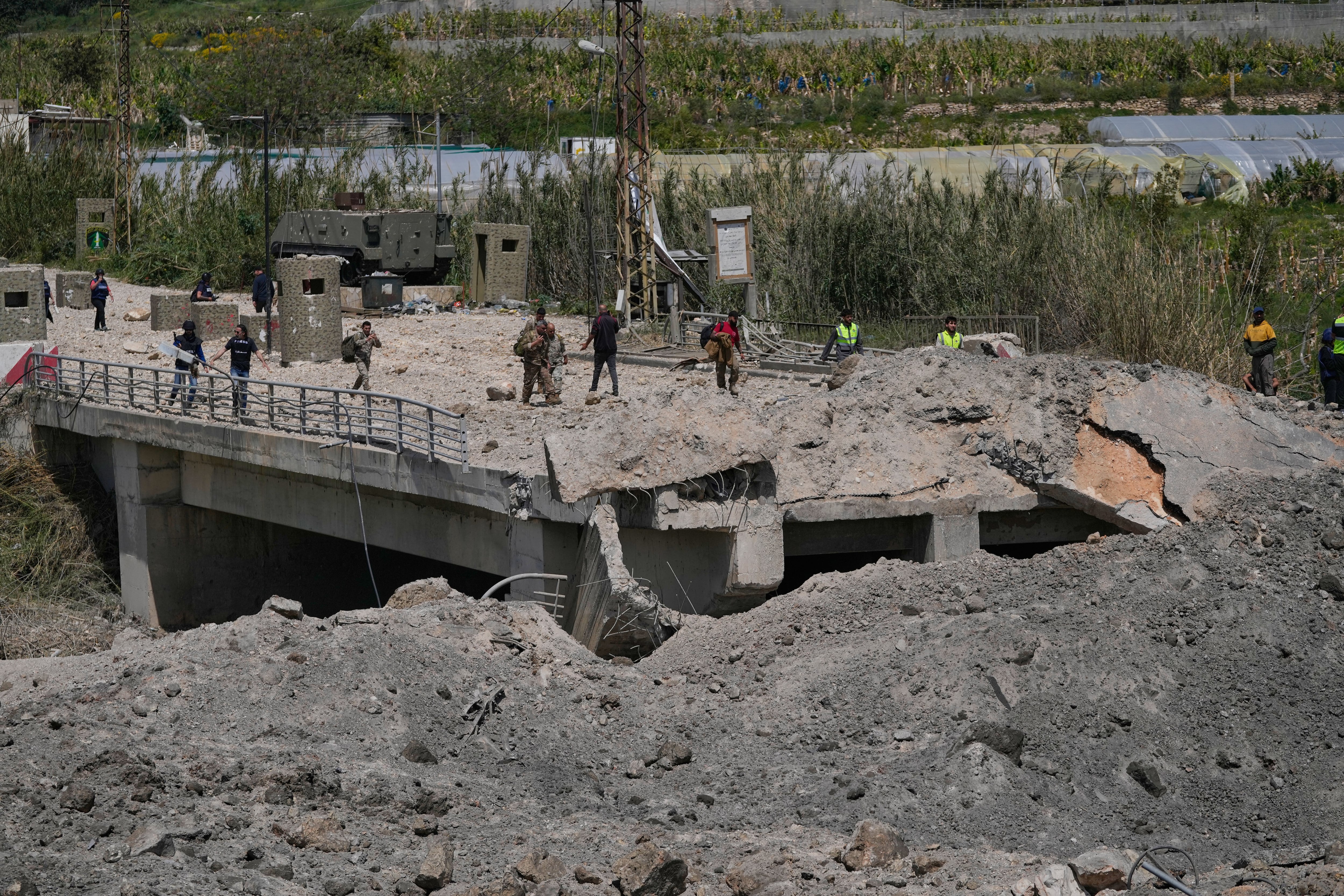
United States Secretary of Defense Pete Hegseth has issued a final warning to Iran, stating that the U.S. will resume military strikes if a new agreement is not reached immediately. This announcement follows a total U.S. blockade of the Strait of Hormuz, a move made after peace talks in Pakistan failed to produce results. At the same time, the Israeli military has increased its attacks in southern Lebanon, destroying a vital bridge that serves as the last link to the rest of the country. While U.S. officials claim that peace talks between Israel and Lebanon are moving forward, Lebanese officials have denied any knowledge of these meetings.
Main Impact
The threat of renewed war has sent shockwaves through the global community. By targeting Iran’s energy infrastructure, the United States is signaling that it is ready to destroy Iran’s ability to produce power and export oil. This escalation, combined with the blockade of the Strait of Hormuz, could lead to a massive increase in global energy prices. In Lebanon, the destruction of the final bridge to the south has created a humanitarian crisis, cutting off thousands of people from food, medical supplies, and safe escape routes. The situation suggests that despite talk of a ceasefire, the military conflict is actually expanding.
Key Details
What Happened
On Thursday, Pete Hegseth spoke at the Pentagon for the first time since the U.S. began its blockade of the Strait of Hormuz. He told reporters that Iran has a clear choice: return to the negotiating table or watch its most important buildings and power plants be destroyed. Hegseth used direct language, telling the Iranian government they could do things "the easy way or the hard way." This speech happened just as Israel carried out heavy bombing raids in southern Lebanon. These raids destroyed the last bridge connecting the southern region to the north, effectively trapping the population and stopping the movement of goods.
Important Numbers and Facts
The Strait of Hormuz is one of the most important water passages in the world, with about 20% of the world's oil passing through it daily. The U.S. blockade has stopped this flow, causing immediate tension in global markets. In Lebanon, the destruction of the final bridge marks a total physical separation of the south from the capital city. While Israeli Minister Gila Gamliel stated that Prime Minister Benjamin Netanyahu would speak with Lebanese President Joseph Aoun, the Lebanese government told news agencies they had no information about such a call. Meanwhile, Pakistan, which has been acting as a middleman for the U.S. and Iran, confirmed that no new dates have been set for future peace talks.
Background and Context
The conflict between the U.S., Israel, and Iran has been growing for months. Recently, leaders met in Islamabad, Pakistan, to try and find a peaceful solution. However, those talks ended without a deal. Following that failure, the U.S. decided to use its navy to block the Strait of Hormuz to pressure Iran. Iran views this blockade as an act of war. The U.S. argues that it is a necessary step to stop Iran from funding regional groups that attack Israel. The situation in Lebanon is also connected, as Israel continues to fight groups in the south that are supported by Iran. This has created a complex web of fighting where a move in one country affects the others.
Public or Industry Reaction
The reaction to Hegseth’s comments has been one of deep concern. Energy experts warn that if the U.S. follows through on its threat to bomb Iranian oil sites, the world could face a severe energy shortage. Within the Middle East, the mood is tense. The Lebanese government’s denial of peace talks suggests a major breakdown in communication between the U.S. and its partners in the region. Many international observers are confused by the conflicting reports coming from the White House and the Lebanese capital. Pakistan’s Ministry of Foreign Affairs expressed disappointment that the dialogue has stopped, urging both sides to return to the table before the violence gets worse.
What This Means Going Forward
The next few days will be critical for the region. If Iran does not respond to the U.S. demand for negotiations, we may see the first air strikes on Iranian soil. This would likely lead to a much larger war that could involve many other countries. In Lebanon, the destruction of infrastructure makes a ceasefire much harder to achieve, as the physical damage will take years to repair. The U.S. blockade of the Strait of Hormuz will also continue to put pressure on the global economy. If the blockade lasts for several more weeks, gas prices around the world are expected to rise significantly, affecting everything from travel to the cost of food.
Final Take
The window for a peaceful solution is closing fast. With the U.S. issuing direct military threats and Israel cutting off entire regions of Lebanon, the focus has shifted from diplomacy to force. Unless a neutral country can bring all sides back to the table immediately, the risk of a full-scale regional war is higher than it has been in decades. The world is now waiting to see if Iran will give in to the pressure or if the U.S. will carry out its threat to start bombing.
Frequently Asked Questions
What is the Strait of Hormuz?
It is a narrow waterway between the Persian Gulf and the Gulf of Oman. It is the most important route in the world for oil shipments. A blockade there stops oil from reaching many countries.
Why did Israel destroy the bridge in Lebanon?
The Israeli military destroyed the bridge to cut off the southern part of Lebanon from the rest of the country. This is often done to stop the movement of weapons and fighters, but it also stops civilians from fleeing and prevents aid from arriving.
What does the U.S. want from Iran?
The U.S. wants Iran to agree to a new deal regarding its military activities and its support for groups in the Middle East. The U.S. is using the blockade and the threat of bombing to force Iran to accept their terms.