Summary
Aravind Srinivas, the CEO of the AI search company Perplexity, recently shared a positive view on job losses caused by artificial intelligence. He suggested that because many people do not enjoy their current work, AI displacement could actually be a good thing. By removing the need for traditional roles, he believes more people will have the chance to start their own small businesses. While some experts worry about mass unemployment, Srinivas views this shift as a path toward a more creative and entrepreneurial future.
Main Impact
The rise of AI is starting to change how companies think about their staff. Instead of needing hundreds of employees to run a successful business, new tools allow very small teams to do the same amount of work. This shift is already leading to significant layoffs in the tech industry, but it is also making it much cheaper and easier for individuals to launch their own startups. The main impact is a move away from large corporate structures toward a world of "micro-businesses" that run with very few people.
Key Details
What Happened
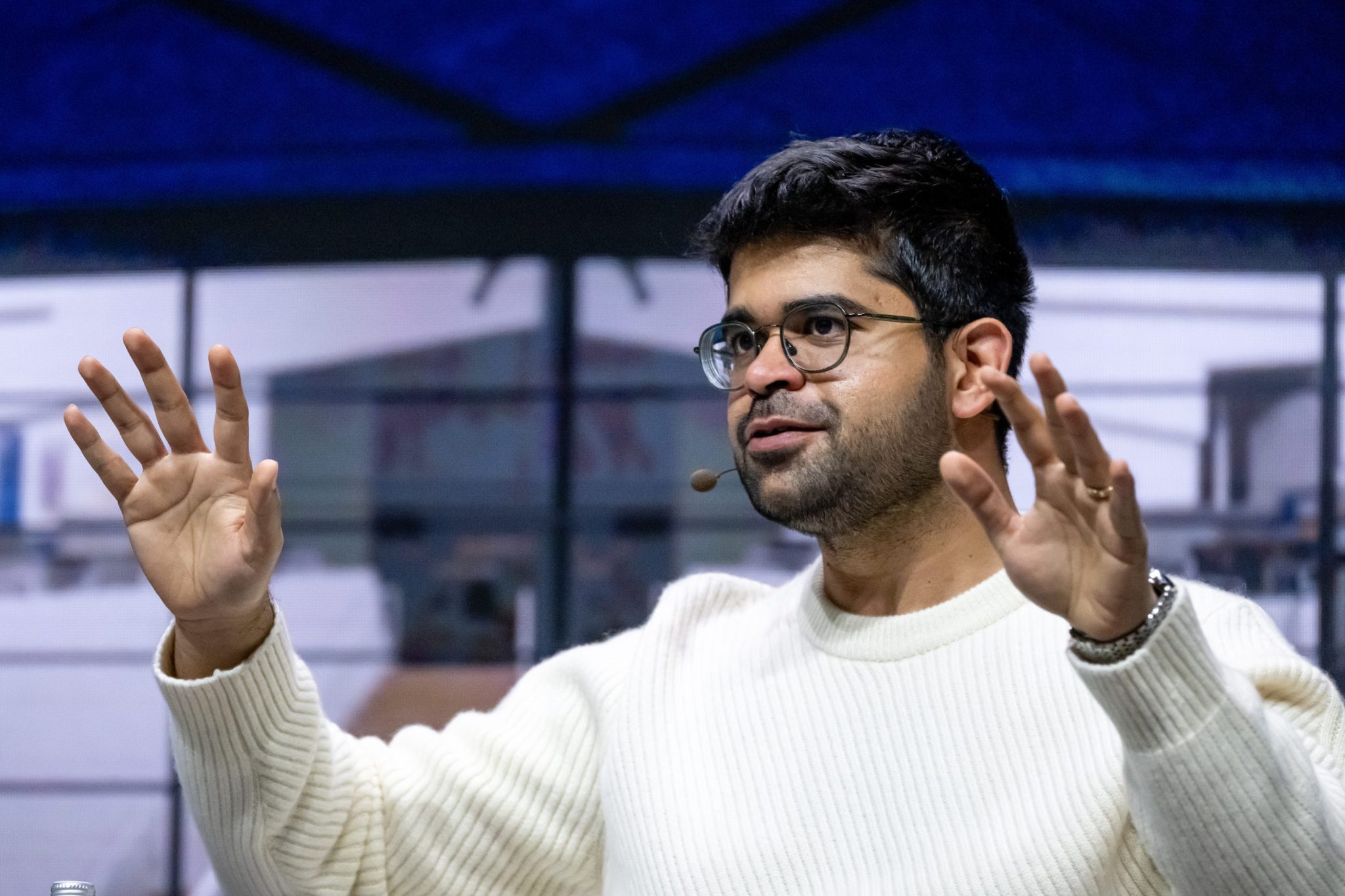
During a recent appearance on the All-In podcast, recorded at a major tech event, Srinivas argued that people should not fear AI taking over jobs. He claimed that the current job market often puts people in "boxes" where they perform repetitive tasks they dislike. According to him, AI tools can act as a bridge, allowing these workers to leave unhappy careers and use technology to build something of their own. He described this potential shift as a "glorious future" that society should welcome rather than avoid.
Important Numbers and Facts
The data regarding AI and jobs shows a complicated picture. Since February 2025, more than 101,000 jobs in the United States have been linked to AI-related cuts. For example, the company Block, led by Jack Dorsey, recently cut its workforce by 40%, affecting about 4,000 people. Dorsey noted that new intelligence tools have changed how a company needs to be managed. On the other side of the scale, some small startups are seeing massive success. A company called TurboAI, run by just 13 people, is reportedly making $1 million in revenue every month. Without AI, the founders say they would have needed over 100 employees to reach that same level of success.
Background and Context
For over a century, the modern workplace has been defined by the ideas of the industrial age. Large factories and offices were built to house thousands of workers doing specific, often boring, tasks. Srinivas compares this to the era of Henry Ford, where people were hired to fit into a rigid system. AI is different because it handles the "rote" or repetitive parts of a job. This allows a single person to handle marketing, coding, and customer service using software. This change is happening at a time when many workers report feeling disconnected or unhappy with their corporate roles.
Public or Industry Reaction
Not everyone shares this optimistic view. Bill McDermott, the CEO of ServiceNow, has warned that unemployment could rise above 30% in the coming years as AI takes over more tasks. Some economists also believe that companies are using AI as an excuse to fire people, a trend they call "AI washing." They argue that some businesses are cutting staff to save money and blaming technology even when the technology isn't doing the work yet. However, some investors, like Bill Gurley, say this is just another cycle of technology. He believes that while jobs will change, the market will eventually find a new balance, just as it did when the internet was first introduced.
What This Means Going Forward
In the near future, we may see the birth of the "one-person unicorn." This is a term for a company valued at $1 billion that is run by only one individual. While this hasn't happened yet, the tools are becoming powerful enough to make it possible. For workers, this means that learning how to use AI will become a vital skill. Instead of looking for a traditional job, more people might look for ways to use AI to solve problems and sell those solutions directly to customers. The risk, however, remains for those who cannot easily transition into these new types of roles, as traditional entry-level positions may disappear.
Final Take
The transition to an AI-driven economy will likely be difficult for many workers who lose their steady paychecks. However, the vision presented by leaders like Srinivas suggests that the end result could be a society with more freedom and more small-scale innovation. Whether this "glorious future" actually happens depends on how quickly people can adapt to these new tools and whether the economy can support millions of new small businesses.
Frequently Asked Questions
Why does the Perplexity CEO think AI layoffs are good?
He believes many people are unhappy in their current jobs and that AI gives them the tools to leave those roles and start their own businesses.
How many jobs have been lost to AI recently?
Reports show that over 101,000 jobs in the U.S. have been cut due to AI-related changes since early 2025.
What is a "one-person unicorn"?
It is a predicted type of business that reaches a $1 billion valuation while being operated by only one person using AI tools.