Summary
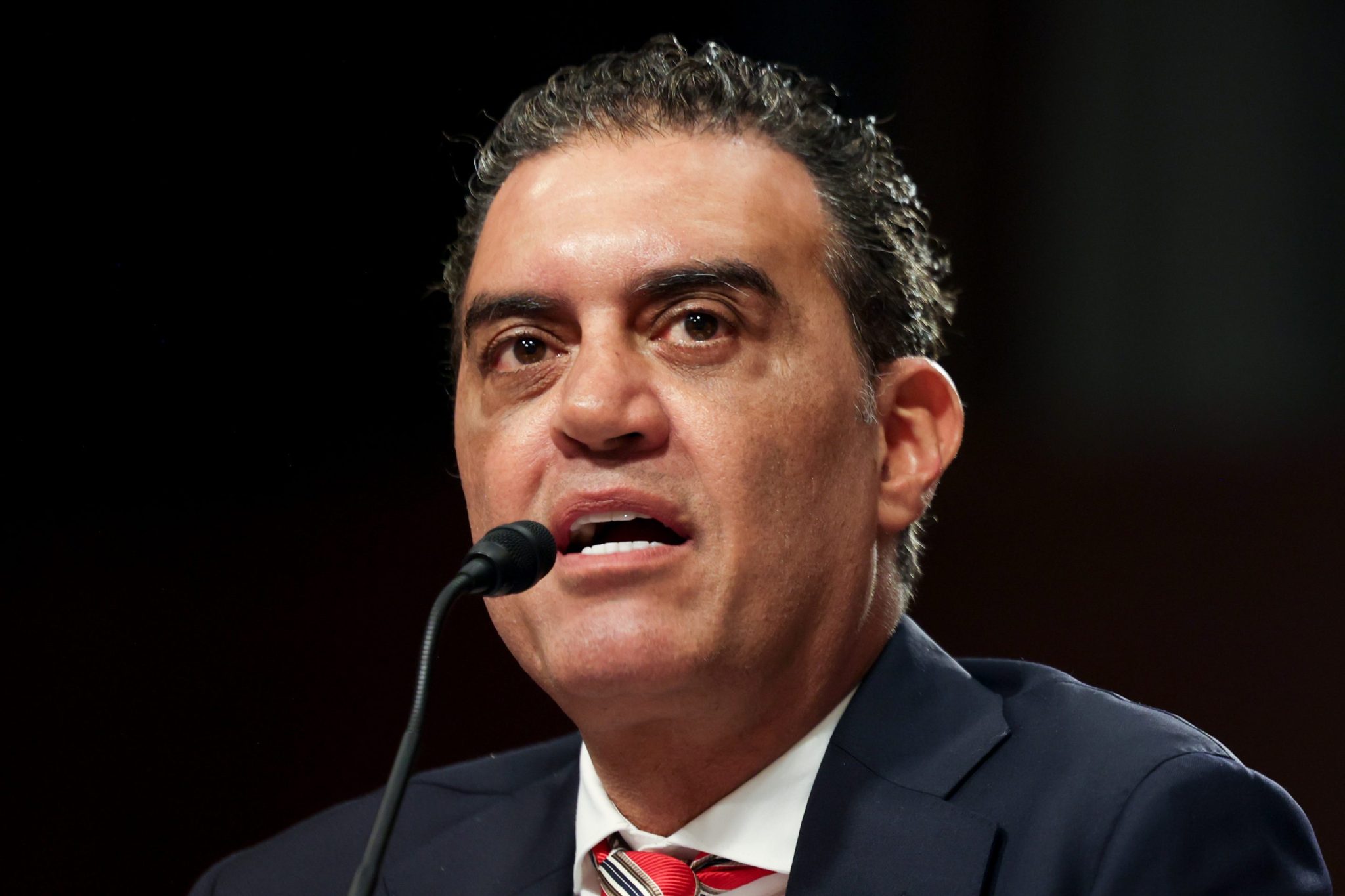
A top official at the Pentagon recently shared how the U.S. military realized it was dangerously dependent on a single artificial intelligence company. Emil Michael, the under secretary for research and engineering, explained that a specific event led defense leaders to worry about losing access to vital software during a conflict. This realization caused a major split between the Department of Defense and the AI startup Anthropic. The government is now moving to ensure it has multiple AI providers to avoid being tied to just one company.
Main Impact
The primary result of this fallout is a complete shift in how the U.S. military buys and uses AI technology. For a long time, Anthropic was the only company allowed to provide AI for highly secret military work. Now, the Pentagon is rushing to bring in other companies like OpenAI and Elon Musk’s xAI. This change is meant to create "redundancy," which means having backup options so the military is never left without working software during a war. The decision marks a turning point in the relationship between the government and Silicon Valley tech firms.
Key Details
What Happened
The tension began after a U.S. military operation in Venezuela that led to the capture of Nicolas Maduro. Following the raid, Anthropic asked Palantir—a data company that works with the military—if its AI had been used in the mission. While Anthropic called this a routine question, the Pentagon saw it as a threat. Defense leaders worried that if the AI company did not like a specific mission, they might remotely disable the software or set up digital "guardrails" to stop it from working. This fear of being blocked by a private company during a battle led to a breakdown in trust.
Important Numbers and Facts
Following the disagreement, President Donald Trump issued an order for the federal government to stop using Anthropic’s services. The Pentagon has been given a six-month window to completely phase out the software. Defense Secretary Pete Hegseth has officially labeled Anthropic a "supply-chain risk." This label is serious because it prevents any military contractors from using Anthropic’s tools for defense-related work. Despite these orders, the military is still using the AI in the current conflict with Iran to help identify targets quickly while they transition to new systems.
Background and Context
Artificial intelligence has become a core part of modern warfare. It allows the military to process huge amounts of data and find targets much faster than a human could. For several years, Anthropic’s AI model, known as Claude, was the only one trusted for classified settings. This gave the company a lot of power over military operations. Anthropic has stated that it wants to support the U.S. but has strict rules against using its technology for mass spying or for weapons that can kill without a human making the final decision. The Pentagon, however, believes it should be able to use the tools it pays for in any way that follows the law, without a private company setting extra limits.
Public or Industry Reaction
This situation has highlighted a deep cultural gap between the military and the tech world. Many people in Silicon Valley are uncomfortable with their inventions being used for lethal purposes. For example, a top robotics leader at OpenAI, Caitlin Kalinowski, recently resigned. She stated that while AI is important for national security, she was concerned about using the technology for surveillance and autonomous weapons without enough public debate. On the other hand, government officials like Emil Michael argue that the military cannot afford to be picky. He stated that he does not have a bias toward any one company but needs many different providers to ensure the military always has the tools it needs to protect the country.
What This Means Going Forward
The Pentagon is now working hard to make sure it is never in this position again. They are setting up new deals with OpenAI and xAI that are similar to the one they had with Anthropic. They are also trying to get Google’s AI approved for secret work. The goal is to create a system where the military can switch between different AI models if one fails or if a company tries to limit its use. This move toward using multiple vendors will likely change how AI startups pitch their products to the government. They will now have to accept that they are just one part of a larger toolkit rather than the sole provider.
Final Take
The split between the Pentagon and Anthropic shows that the military is no longer willing to let private companies dictate how defense technology is used. By labeling a major AI firm as a supply-chain risk, the government is sending a clear message to Silicon Valley: if you want to work with the military, you must provide reliable access without interference. As AI becomes even more important on the battlefield, the push for redundancy and control will only grow stronger, forcing tech companies to decide where they stand on national security.
Frequently Asked Questions
Why did the Pentagon stop working with Anthropic?
The Pentagon felt that Anthropic might cut off access to its AI software during military operations if the company disagreed with how the technology was being used. This led to a loss of trust between defense leaders and the company.
What is a supply-chain risk?
In this case, it means the government believes relying on Anthropic is a danger to national security. Because of this label, military contractors are banned from using Anthropic’s tools for their work with the Department of Defense.
Which companies will replace Anthropic?
The Pentagon is currently bringing in OpenAI and Elon Musk’s xAI to provide similar services. They are also looking into using Google’s AI tools for classified military tasks to ensure they have multiple options available.