Summary
Spanish Prime Minister Pedro Sánchez recently took a strong stand against the main opposition parties in the country's parliament. During a heated session, he accused the People’s Party (PP) and Vox of supporting the ongoing war in Iran through their actions and their silence. Sánchez argued that their refusal to condemn the conflict is a sign of weakness rather than careful diplomacy. This move marks a significant increase in political tension as the government and the opposition clash over Spain's role in international conflicts.
Main Impact
The primary impact of this confrontation is a deeper divide in Spanish politics regarding foreign policy. By linking the current situation to past controversial wars, Sánchez is trying to paint his opponents as pro-war. This strategy aims to gain support from voters who are worried about Spain getting involved in global fights. On the other hand, the opposition is struggling to find a balance between criticizing the government and appearing responsible on the world stage. This debate has moved from simple policy talk to a very personal and historical battle between the leaders.
Key Details
What Happened
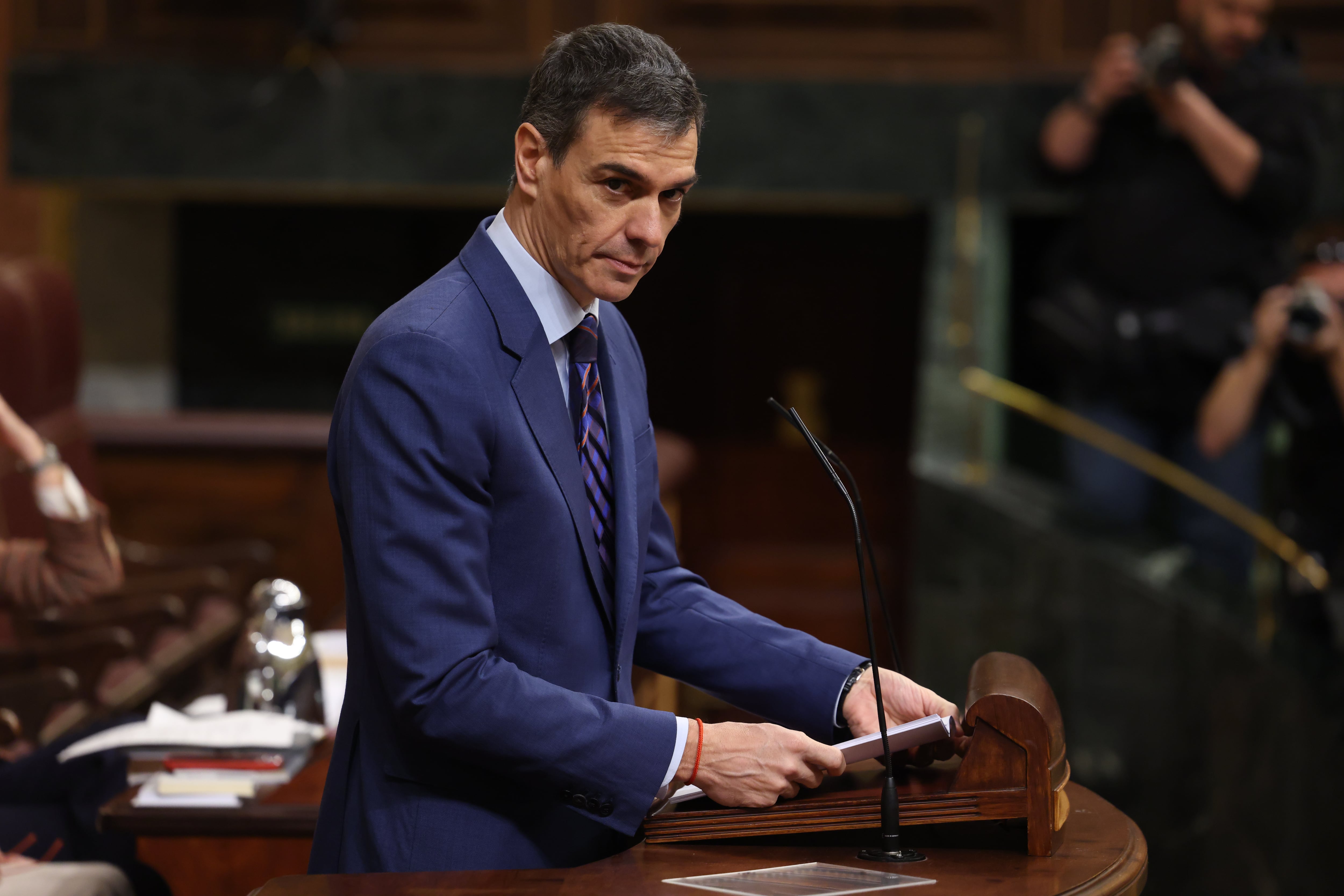
The debate took place in the Spanish Congress, where Prime Minister Sánchez was scheduled to speak about the government's response to the war in Iran. From the moment he started, Sánchez was very aggressive toward Alberto Núñez Feijóo, the leader of the PP. He claimed that the opposition's lack of a clear stance was helping the "absolute disaster" of the war. He specifically called their silence an "act of cowardice." The members of his party cheered loudly as he made these points, showing a very united front against the opposition.
Important Numbers and Facts
Sánchez made a direct comparison to the year 2003. During that time, the Spanish government, led by José María Aznar, decided to support the Iraq War. Sánchez reminded the room that more than 90% of Spanish citizens were against that war at the time. By bringing up these old numbers, he wanted to remind people of the political price the PP paid for that decision. The current debate on March 25, 2026, shows that these historical wounds are still very much alive in Spanish politics.
Background and Context
To understand why this is so important, we have to look at how Spain views war. For many years, the Spanish public has been very sensitive about military involvement in other countries. The Iraq War in 2003 was a turning point. Millions of people marched in the streets to say "No to the War." The PP was in power then, and many people still blame them for taking the country into a conflict that was not popular. Sánchez is using this history to make the public feel that the PP has not changed. He wants to show that his government is the only one that truly wants peace, while the opposition is hiding its true intentions.
Public or Industry Reaction
The reaction from the opposition was immediate and sharp. Alberto Núñez Feijóo tried to push back against the Prime Minister’s claims. He told Sánchez, "We say no to the war and no to you." This was an attempt to show that the PP does not support the conflict in Iran, but they also do not support how Sánchez is leading the country. Vox, the other party mentioned by Sánchez, has also been critical of the government's handling of the crisis. Outside of parliament, political experts are divided. Some think Sánchez is being smart by using history, while others think he is being too aggressive and causing more division when the country needs to be united.
What This Means Going Forward
Looking ahead, this fight will likely make it harder for the Spanish government to pass laws or make big decisions about foreign policy. If the opposition feels they are being unfairly attacked, they may refuse to cooperate on other important issues like the budget or social reforms. For the public, this means more political noise and less clear information about what Spain is actually doing to help end the war in Iran. The next few months will show if Sánchez's aggressive style helps his popularity or if it makes the opposition stronger by making them look like victims of unfair attacks.
Final Take
The current political battle in Spain shows that the ghost of the Iraq War still haunts the country's leaders. By attacking the PP and Vox so directly, Pedro Sánchez is making the war in Iran a central part of domestic politics. While this might help him win over his supporters, it also creates a very tense environment where compromise seems impossible. The focus has shifted from the actual victims of the war to a fight for power in Madrid. Both sides are now locked in a struggle to define who is the true "party of peace" in the eyes of the Spanish people.
Frequently Asked Questions
Why did Pedro Sánchez attack the PP and Vox?
He attacked them because he believes their silence on the war in Iran is a form of support for the conflict. He also wanted to remind voters of the PP's past support for the Iraq War in 2003.
What was the Iraq War comparison about?
Sánchez compared the current PP leader to a former leader who took Spain into the Iraq War despite 90% of the public being against it. He used this to suggest the PP is a pro-war party.
How did the opposition leader respond?
Alberto Núñez Feijóo rejected the accusations. He stated that his party is against the war, but they are also against the way Sánchez is running the government.