
Summary
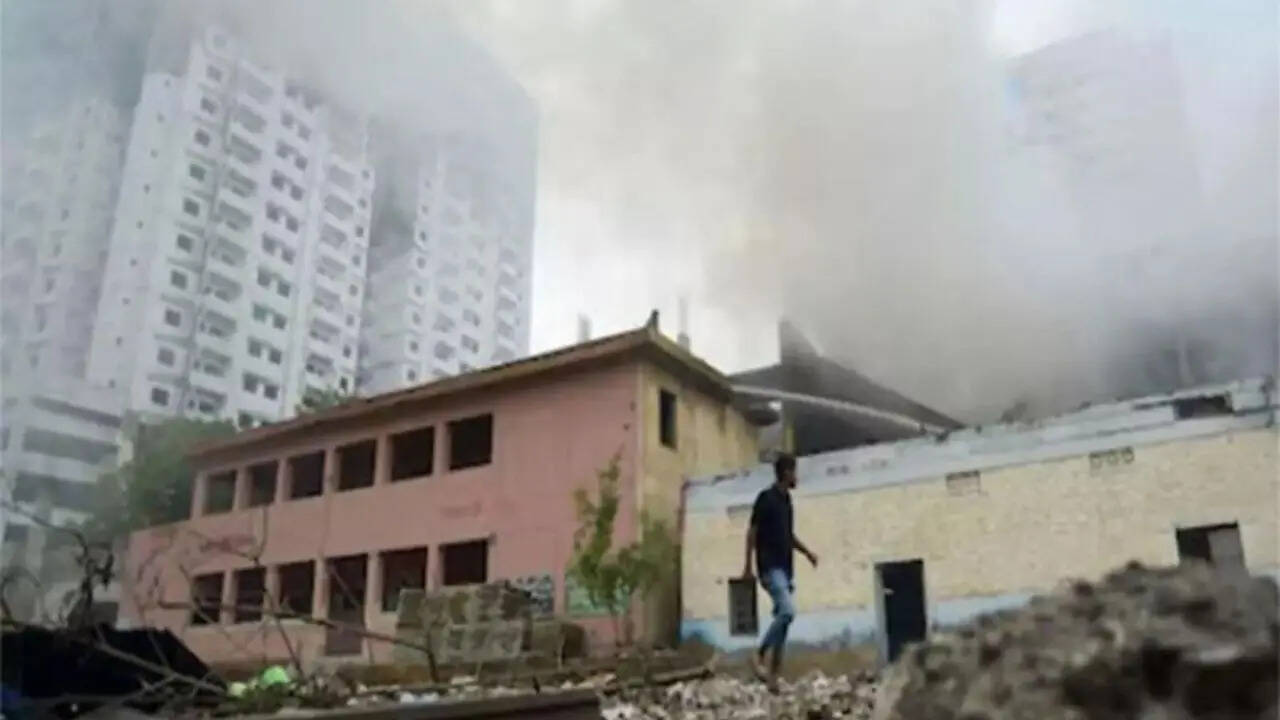
A tragic gas pipeline explosion in Pakistan’s Khyber Pakhtunkhwa province has resulted in the deaths of at least eight people. The blast occurred unexpectedly, causing immediate destruction to the surrounding area and leaving several others injured. Emergency responders and local residents worked together to pull victims from the debris as authorities began a formal investigation into the cause of the disaster. This event highlights ongoing concerns regarding the safety and maintenance of energy infrastructure in the region.
Main Impact
The most devastating impact of this explosion is the loss of human life. Eight families are now mourning the sudden death of their loved ones due to a failure in the gas delivery system. Beyond the fatalities, the blast caused physical injuries to many people nearby, some of whom remain in critical condition at local hospitals. The explosion also destroyed property, including homes and small shops located near the pipeline route.
In addition to the human cost, the incident has forced a shutdown of gas services in the immediate area. This leaves hundreds of households without fuel for cooking or heating. The local economy has also taken a hit, as businesses that rely on a steady gas supply have been forced to close their doors until the site is cleared and the pipes are repaired. The psychological impact on the community is significant, as residents now fear living near major energy lines.
Key Details
What Happened
The explosion took place early in the day when pressure in the main gas pipeline reached a critical point, leading to a massive rupture. The force of the blast was strong enough to be felt several kilometers away. Witnesses reported a loud bang followed by a large fire that spread quickly to nearby structures. Local fire departments and rescue teams arrived shortly after to put out the flames and search for survivors under the collapsed walls of nearby buildings.
Important Numbers and Facts
Official reports confirm that eight individuals lost their lives at the scene or shortly after reaching the hospital. At least twelve other people are being treated for burns and injuries caused by flying debris. The pipeline involved is a major artery that supplies gas to various parts of the Khyber Pakhtunkhwa province. Authorities have cordoned off a one-kilometer area around the blast site to prevent further accidents while repair crews assess the damage to the metal pipes and surrounding soil.
Background and Context
Gas pipeline accidents are a recurring problem in Pakistan. The country relies heavily on natural gas for its energy needs, but the systems used to move this gas are often very old. Many of the pipes were laid decades ago and have not been updated to meet modern safety standards. Over time, these pipes can become thin or rusty, making them more likely to leak or break under pressure.
Another issue is the growth of housing in areas that were once empty. As cities and towns expand, people often build homes very close to high-pressure gas lines. This makes any accident much more dangerous because there is no "buffer zone" to protect the public. In some cases, illegal connections made by people trying to get free gas also weaken the pipes, leading to dangerous leaks that can spark an explosion with a single flame or spark.
Public or Industry Reaction
Local leaders have expressed deep sadness over the incident and have promised to support the families of the victims. There is a growing sense of anger among the public, with many residents demanding to know why the pipeline was not properly inspected. Community activists are calling for a full audit of all gas lines in the province to identify other high-risk areas before another tragedy occurs.
Energy experts in the region have pointed out that the gas companies need more funding to replace aging infrastructure. They argue that without a major investment in new technology and better monitoring systems, these types of explosions will continue to happen. The provincial government has announced a committee to look into the technical reasons for the blast and to see if there was any negligence by the utility company.
What This Means Going Forward
In the short term, the focus will be on restoring gas service to the affected neighborhoods. Repair crews are working around the clock to replace the damaged section of the pipe. However, this process must be done carefully to ensure there are no other weak spots nearby. Families who lost their homes will need government assistance to rebuild, and the injured will require long-term medical care.
In the long term, this disaster may lead to stricter rules about building homes near energy infrastructure. There is a strong possibility that the government will enforce new "no-build" zones to keep people at a safe distance from high-pressure lines. Additionally, gas companies may face more pressure to install automatic shut-off valves that can stop the flow of gas instantly if a leak is detected, which could save lives in the future.
Final Take
This explosion is a painful reminder that energy safety cannot be ignored. While natural gas is essential for daily life, the systems that carry it must be kept in top condition. Protecting human life requires regular inspections, modern equipment, and a commitment to safety over profit. The people of Khyber Pakhtunkhwa deserve a reliable energy system that does not put their lives at risk.
Frequently Asked Questions
What caused the gas pipeline to explode?
The exact cause is still being investigated, but early reports suggest it may have been caused by a build-up of pressure in an old or weakened section of the pipe. Authorities are also checking for signs of a leak or external damage.
How many people were affected by the blast?
Eight people have been confirmed dead, and over a dozen others were injured. Additionally, hundreds of local residents are currently without gas service while repairs are being made.
Is the area now safe for residents?
Emergency teams have secured the site and turned off the gas flow to the damaged section. While the immediate danger of another blast is low, the area remains closed to the public while investigators and repair crews finish their work.

