
Summary
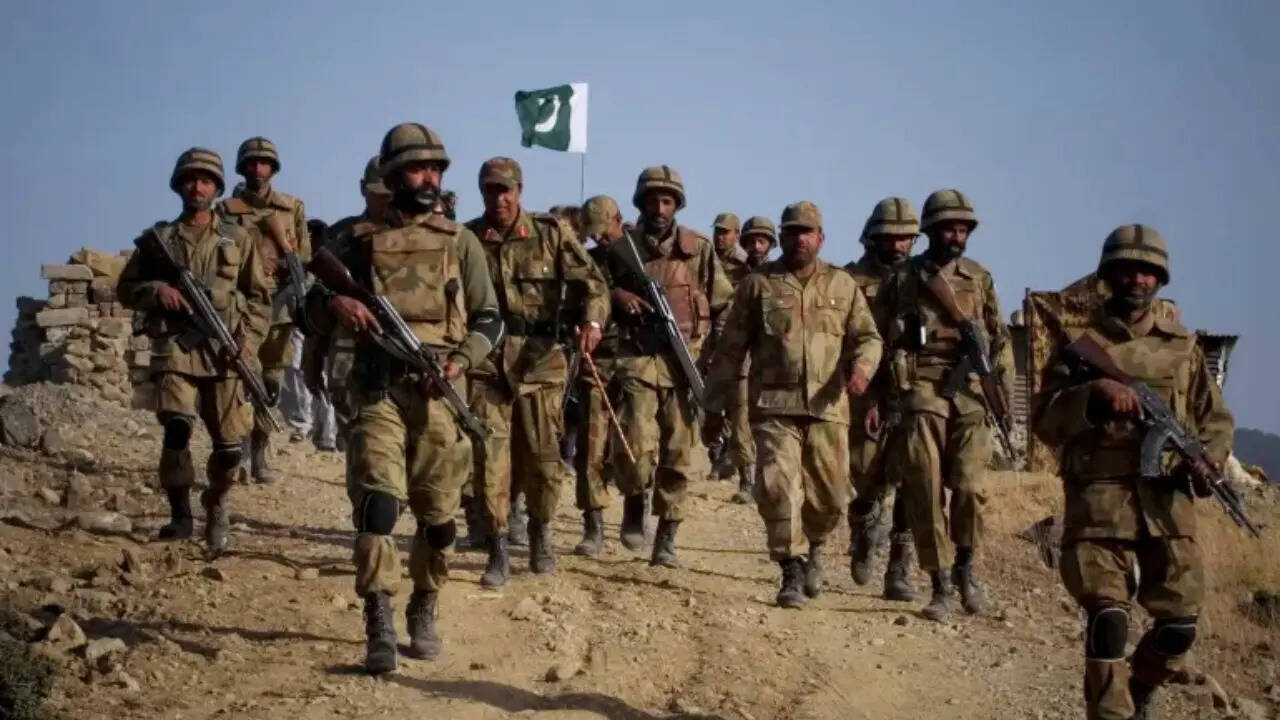
Pakistani security forces recently carried out a major military operation in the Khyber District, located near the border with Afghanistan. During the intense firefight, 22 suspected militants were killed by the army. Sadly, the violence also claimed the life of a 10-year-old child who was caught in the crossfire. This event marks a significant escalation in the ongoing struggle to secure Pakistan’s northwestern border regions.
Main Impact
The primary impact of this operation is the clear message that the Pakistani military is stepping up its efforts to remove armed groups from the border areas. By killing 22 militants in a single day, the army has shown it is ready to use heavy force to stop the rise of local violence. However, the death of a young child highlights the high cost of these battles for people living in the area. Such civilian losses often lead to increased fear and anger among local communities, which can make long-term peace harder to achieve.
Key Details
What Happened
The clash took place in the Khyber District, a rugged area that has long been a hideout for various armed groups. Security forces moved into the area based on reports of militant activity. When the soldiers arrived, a fierce gun battle started. The military used ground forces and likely heavy weapons to target the militants. While the army successfully hit its targets, the presence of civilians in the area led to the tragic death of a young boy. The military has not yet released the specific names of the groups involved, but they are believed to be linked to organizations that regularly attack the Pakistani state.
Important Numbers and Facts
The operation resulted in 22 militants being killed. This is one of the highest death tolls for a single operation in recent months. The incident happened in the Khyber Pakhtunkhwa province, which shares a long and porous border with Afghanistan. Over the last year, Pakistan has seen a sharp increase in attacks, with hundreds of security personnel and civilians losing their lives. Reports suggest that since the change of government in Afghanistan in 2021, cross-border violence has risen by more than 70 percent in some parts of Pakistan.
Background and Context
To understand why this is happening, it is important to look at the history of the region. The Khyber District is part of what used to be called the Tribal Areas. For a long time, these areas were not fully under the control of the central government. Groups like the Tehrik-i-Taliban Pakistan (TTP) have used these mountains to hide and plan attacks. These groups want to change how Pakistan is governed and often use violence to get their way.
Another major factor is the relationship between Pakistan and the Taliban government in Afghanistan. Pakistan often says that militants cross over from Afghanistan to carry out attacks and then run back across the border to hide. The Afghan government denies this, saying they do not allow their land to be used against other countries. This disagreement has caused a lot of tension between the two neighbors, leading to closed border crossings and occasional skirmishes between their armies.
Public or Industry Reaction
The reaction to this operation has been mixed. Government officials have praised the bravery of the soldiers and said that such actions are necessary to keep the country safe. They argue that if the military does not act, the militants will become even stronger and attack major cities. On the other hand, human rights groups and local leaders have expressed deep sadness over the death of the 10-year-old child. They are calling for more care to be taken during military actions to protect innocent people. Many residents in the northwest feel they are stuck between the militants and the army, living in constant fear of the next battle.
What This Means Going Forward
Looking ahead, it is likely that the Pakistani military will continue these types of operations. The government has signaled that it will not negotiate with groups that use violence. This means more fighting is expected in the border provinces of Khyber Pakhtunkhwa and Balochistan. There is also a risk that the relationship with Afghanistan will get worse if the cross-border movement of militants does not stop. For the people living in these areas, the future remains uncertain. They hope for security, but they also worry about the collateral damage that comes with military force. The government will need to find a way to provide safety while also helping the local economy so that young people do not join these armed groups out of desperation.
Final Take
The death of 22 militants shows that Pakistan is serious about fighting terrorism, but the loss of a child’s life is a painful reminder of the complexity of this war. Military force can remove immediate threats, but true safety will only come when the border is secure and the causes of local anger are addressed. The situation in northwest Pakistan remains a major challenge for the country’s leaders and a source of worry for the international community.
Frequently Asked Questions
Why is the Khyber District so violent?
The Khyber District is located near the Afghan border and has difficult mountain terrain. This makes it easy for armed groups to hide and move between countries, making it hard for the army to maintain total control.
Who are the militants fighting the Pakistani army?
Most of the militants belong to groups like the TTP. These groups share some ideas with the Afghan Taliban but focus their attacks on the Pakistani government and security forces.
How does this affect Pakistan's relationship with Afghanistan?
These incidents cause a lot of stress between the two countries. Pakistan wants Afghanistan to stop militants from using their soil, while Afghanistan says the problem is inside Pakistan. This disagreement makes it hard for both countries to work together on security.

