
Summary
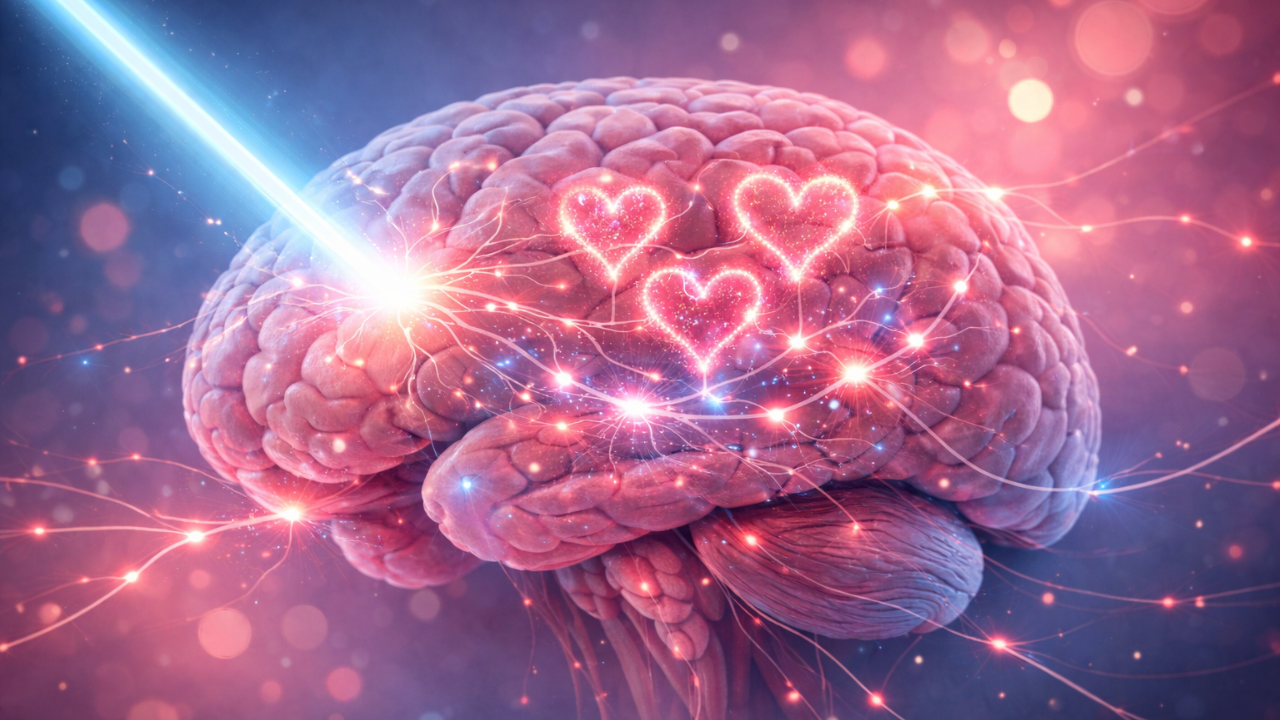
Researchers have reached a major milestone in brain science by creating a way to control the "love hormone" using light. This new method acts like a light switch, allowing scientists to turn the release of oxytocin on and off with extreme precision. By using this tool, experts can now watch how the brain builds social bonds and emotions as they happen. This discovery is a big step toward understanding how humans connect and could lead to new ways to treat mental health issues.
Main Impact
The ability to control oxytocin with light changes how we study the human mind. For a long time, scientists knew that oxytocin was important for trust and love, but they could not see exactly how it worked in real-time. This new "light switch" allows them to target specific cells in the brain without affecting other areas. This means they can see the direct link between a chemical release and a specific behavior, such as a mother bonding with her child or a person feeling safe in a group. This level of control helps remove the guesswork from brain research.
Key Details
What Happened
Scientists used a technique called optogenetics to make this happen. In simple terms, they modified certain brain cells to make them sensitive to light. When a specific type of light is shone on these cells, they react by releasing oxytocin. Before this, researchers had to use drugs or sprays to study the hormone. Those methods were slow and affected the whole brain at once, making it hard to tell which cells were doing what. Now, they can trigger the hormone in a fraction of a second and watch the immediate results in the brain's wiring.
Important Numbers and Facts
Oxytocin is a small protein made in a part of the brain called the hypothalamus. While it is famous for its role in romance, it also controls physical processes like childbirth and milk production. The new light-based method allows scientists to study brain circuits that are only a few micrometers wide. By controlling these tiny areas, researchers can observe changes in social behavior within milliseconds. This speed is vital because human emotions and reactions happen very fast, and old testing methods were simply too slow to keep up.
Background and Context
Oxytocin is often called the "love hormone" or the "cuddle chemical." It is a natural substance that helps humans and animals form strong attachments. It plays a role in everything from romantic attraction to the simple trust we feel toward a friend. When oxytocin levels are healthy, people find it easier to read social cues and feel relaxed around others. However, when the system does not work correctly, it can lead to problems. People with conditions like social anxiety, autism, or postpartum depression often have differences in how their brains handle this hormone. Understanding the physical mechanics of these bonds is the first step toward fixing them when things go wrong.
Public or Industry Reaction
The scientific community is very hopeful about this development. Many experts believe that this tool will help solve mysteries about why some people struggle to form social connections. Medical professionals are particularly interested in how this could help treat depression and isolation. While the public sometimes worries about the idea of "controlling" emotions, researchers clarify that this is a tool for understanding, not for mind control. The goal is to learn how the brain naturally heals and connects so that better, more targeted medicines can be made in the future.
What This Means Going Forward
In the future, the data gathered from this "light switch" could lead to a new generation of mental health treatments. Instead of taking a pill that affects the entire body, patients might one day use treatments that only target the specific brain circuits that need help. There are also ethical questions to consider. As we learn how to trigger feelings of love or trust, society will need to decide how this technology should be used. For now, the focus remains on laboratory research to map out the complex pathways of the human heart and mind. The next few years will likely see more studies on how this hormone affects long-term relationships and even how we recover from grief.
Final Take
This breakthrough proves that love and connection have a clear physical basis in the brain. By using light to guide our understanding of oxytocin, scientists are opening a door to a future where social and emotional struggles can be treated with much more care and accuracy. It reminds us that while emotions feel magical, they are also part of a complex biological system that we are finally starting to master.
Frequently Asked Questions
What is the "love hormone"?
The love hormone is oxytocin. It is a chemical produced in the brain that helps humans form bonds, feel trust, and build relationships with others.
How does the light switch work?
Scientists use light-sensitive proteins to make brain cells react to light. When they shine a light on these cells, it triggers the release of oxytocin instantly.
Will this be used on humans soon?
Currently, this is a research tool used to understand the brain. While it won't be used as a "switch" in humans anytime soon, the information gained will help create better medicines for people with social and emotional disorders.

