
Summary
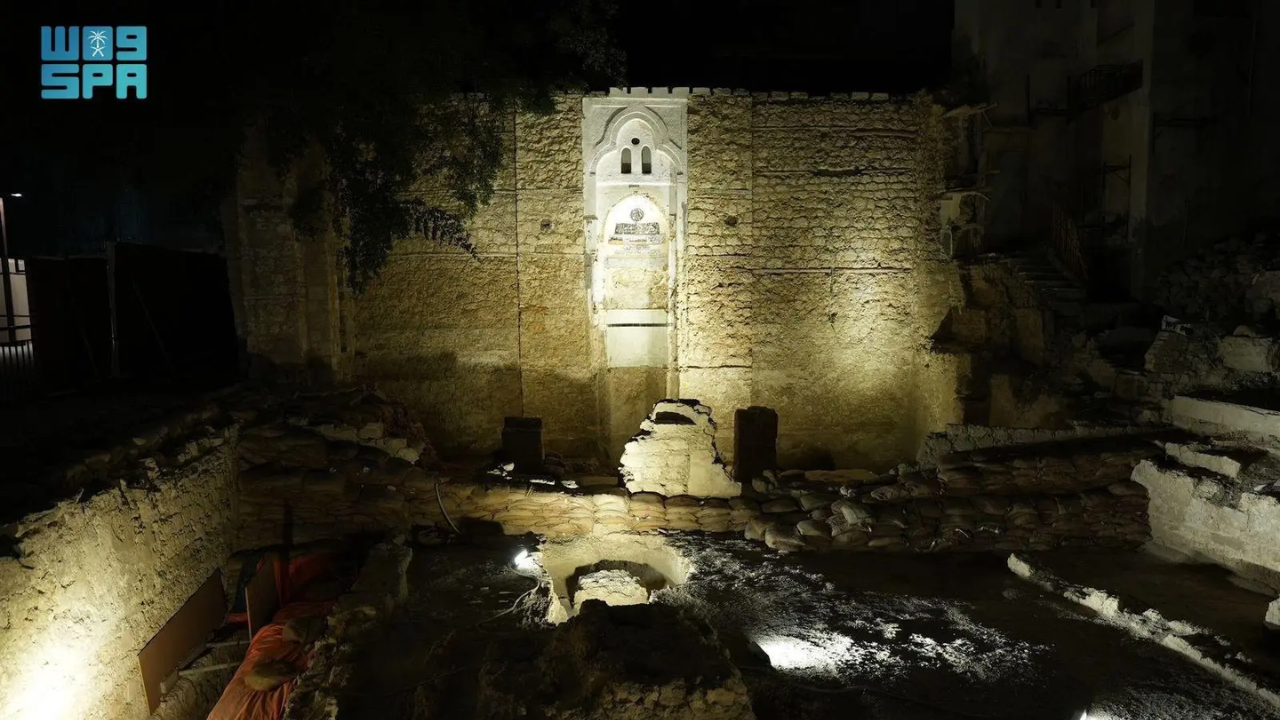
The Othman bin Affan Mosque in Jeddah stands as a powerful symbol of Islamic history, with roots stretching back over 1,300 years. Located in the heart of the Al-Balad district, this ancient site has recently revealed new secrets through extensive archaeological work. These discoveries provide a rare look into the early days of Islam and the growth of Jeddah as a major port city. The mosque is now a central piece of Saudi Arabia’s plan to protect its cultural heritage for future generations.
Main Impact
The recent findings at the Othman bin Affan Mosque have changed how historians view the early development of the region. By uncovering artifacts that date back to the first and second centuries of the Islamic calendar, experts have confirmed that the site has been a center for prayer and community life since the very beginning of the faith. This discovery strengthens Jeddah’s position as a vital historical link between the Arabian Peninsula and the rest of the world. It also highlights the success of the Jeddah Historical District Program in uncovering the hidden stories of the city.
Key Details
What Happened
Archaeologists working under the Jeddah Historical District Program conducted a deep study of the mosque and its surrounding grounds. They dug through layers of earth to find items left behind by people who lived and prayed there over a thousand years ago. The team found that the mosque underwent several changes and additions over the centuries, reflecting the different eras of Islamic rule. This work is part of a larger effort to restore Al-Balad, which is recognized as a UNESCO World Heritage site.
Important Numbers and Facts
The mosque is often called the "Ebony Mosque" because of two unique pillars made of ebony wood that were part of its original structure. During the excavations, researchers found nearly 2,000 years of history layered in the soil. Key items found include pottery fragments, pieces of glass, and ancient coins. Some of the pottery dates back to the 7th and 8th centuries, which matches the early Umayyad period. The mosque itself is named after Othman bin Affan, the third Caliph of Islam, who ordered Jeddah to be the main port for pilgrims traveling to Makkah in the year 647 AD.
Background and Context
To understand why this mosque is so important, one must look at the history of Jeddah. For centuries, this city has been the "Gateway to Makkah." Millions of people from all over the world have passed through its streets on their way to perform the Hajj pilgrimage. The Othman bin Affan Mosque was one of the first places these travelers would visit. Over time, the mosque was rebuilt and repaired many times. The current restoration project aims to fix the damage caused by age while keeping the original style and spirit of the building intact. This is part of Saudi Arabia's Vision 2030, which focuses on making the country a top destination for cultural tourism.
Public or Industry Reaction
Historians and religious scholars have expressed great excitement over the findings. Many believe that these artifacts provide physical proof of the stories told in ancient books. Local residents in Jeddah have also shown pride in the project, as it brings new life to their old neighborhood. Tourism experts suggest that the mosque will become a major attraction for visitors who want to see authentic Islamic history. The careful way the restoration is being handled has earned praise from international heritage groups, who value the use of traditional building materials and methods.
What This Means Going Forward
The work at the Othman bin Affan Mosque is far from over. Experts will continue to study the artifacts to learn more about the daily lives of the people who lived in Jeddah centuries ago. As the restoration nears completion, the mosque will serve both as a place of worship and a living museum. This project sets a standard for how other historical sites in the Middle East can be preserved. It shows that it is possible to modernize a city while still respecting its ancient roots. In the coming years, more sites in Al-Balad are expected to undergo similar transformations, making the entire district a hub for history and culture.
Final Take
The Othman bin Affan Mosque is more than just a building made of stone and wood. It is a witness to thirteen centuries of faith, trade, and human connection. By protecting this site, Saudi Arabia is ensuring that the story of early Islam remains visible and accessible to everyone. The mosque stands as a bridge between the past and the present, reminding us that even as the world changes, some foundations remain strong.
Frequently Asked Questions
Why is it called the Ebony Mosque?
It earned this name because of two rare and beautiful pillars made of ebony wood that were found inside the structure during its long history.
How old is the Othman bin Affan Mosque?
Recent archaeological evidence shows that the site has been used for Islamic worship for over 1,300 years, dating back to the 7th century AD.
Where is the mosque located?
The mosque is located in Al-Balad, which is the historical old town of Jeddah in Saudi Arabia. This area is a protected UNESCO World Heritage site.

