
Summary
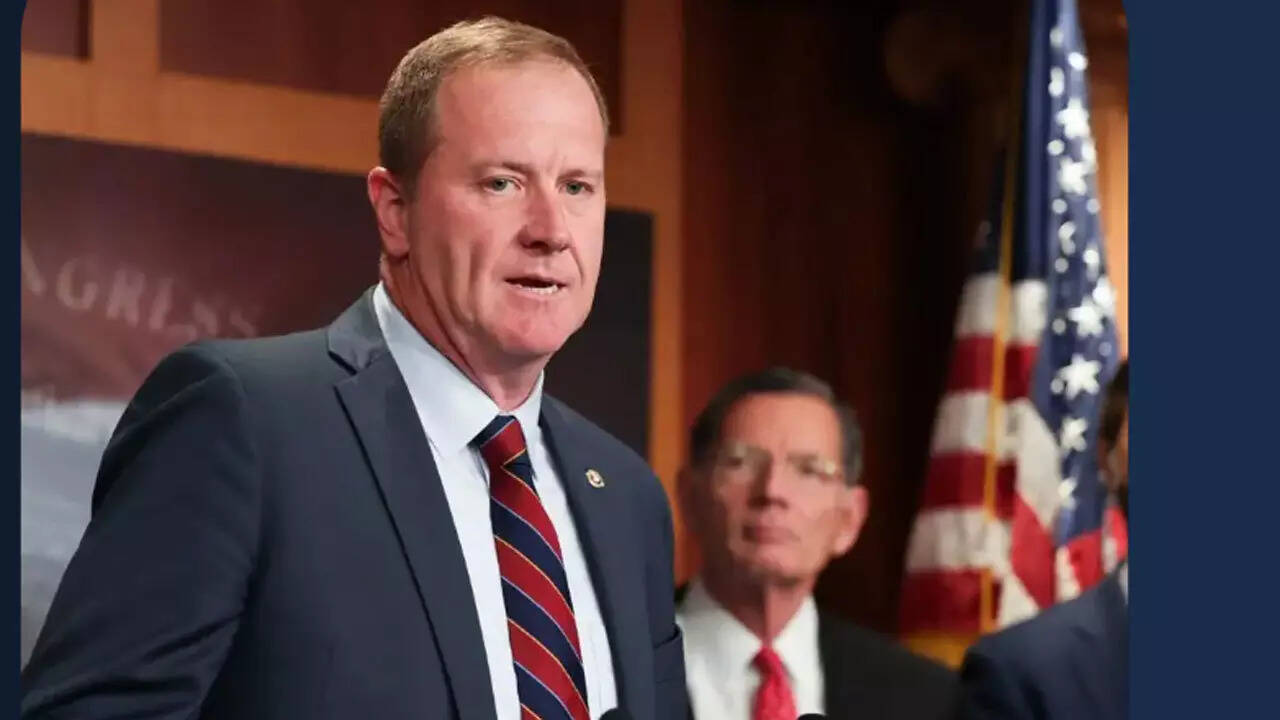
A United States Senator has brought forward new data regarding the Optional Practical Training (OPT) program, raising concerns about potential visa abuse. Recent reports show that there are currently 4,430 OPT participants working in the state of Missouri alone. The Senator highlighted cases where the program, intended for high-skilled professional development, is allegedly being used for low-skilled roles such as janitorial services. This revelation has sparked a debate over how the government tracks and approves work permits for international graduates.
Main Impact
The primary impact of these findings is a growing call for stricter oversight of the OPT program. Originally designed to help international students gain experience in their field of study, the program is now under fire for allegedly allowing companies to hire cheap labor for jobs that do not require a college degree. If these claims of "visa abuse" are proven true, it could lead to major changes in how work authorizations are granted. This situation affects not only the international students who rely on the program but also the local job market and the companies that use these visas to fill positions.
Key Details
What Happened
A US Senator recently shared data that points to a high number of international students working under the OPT program in Missouri. The most shocking part of the report is the type of work being performed. While the program is meant for jobs related to a student's specific degree—such as engineering, technology, or business—the Senator pointed out that some participants are listed as receiving "training" in janitorial services. This suggests that the program is being used as a loophole to bring in workers for manual labor rather than professional roles.
Important Numbers and Facts
The data shows that 4,430 individuals are using OPT visas in Missouri. This number is significant because it represents a large portion of the temporary workforce in the state. The Senator's report suggests that many of these workers are employed by companies that do not seem to offer the high-level professional training the program requires. By labeling basic labor as "training," these employers may be avoiding the stricter rules and higher costs associated with other types of work visas.
Background and Context
The Optional Practical Training (OPT) program is an extension of the F-1 student visa. It allows international students who have finished their degrees at US colleges to stay and work in the country for at least 12 months. For those who graduate with degrees in science, technology, engineering, or math (STEM), this period can be extended for an additional 24 months. The goal is to keep talented individuals in the US so they can contribute to the economy using the skills they learned in school.
However, the program has been a topic of debate for many years. Critics argue that it lacks enough government supervision. Unlike other work visas, such as the H-1B, the OPT program does not have a cap on how many people can participate each year. It also does not require employers to pay a specific prevailing wage, which some say allows companies to underpay foreign workers compared to American citizens. The recent news from Missouri adds weight to the argument that the program needs more rules to prevent misuse.
Public or Industry Reaction
The reaction to these findings has been split. On one side, labor advocates and some lawmakers are calling for an immediate investigation. They believe that using a student visa program for janitorial work is a clear violation of the law and hurts local workers who might otherwise take those jobs. They are pushing for more frequent audits of the companies that hire OPT participants.
On the other side, many universities and business groups defend the OPT program. they argue that the vast majority of students use the program correctly to start their careers in specialized fields. They worry that focusing on a few cases of abuse could lead to harsh new rules that make it harder for the US to attract the best students from around the world. These groups emphasize that international talent is vital for the growth of the American tech and research sectors.
What This Means Going Forward
Moving forward, we can expect more pressure on the Department of Homeland Security to monitor the OPT program more closely. There may be new requirements for employers to prove that the work being done is directly related to the student's degree. If the government finds that "janitorial services" and other low-skilled jobs are common in the program, they might narrow the list of eligible roles or increase the paperwork required for approval.
For international students, this could mean more scrutiny during the application process. For businesses, it could mean more inspections and higher standards for training programs. The debate in Missouri is likely just the beginning of a larger national conversation about how to balance the need for global talent with the need to protect the integrity of the US immigration system.
Final Take
The discovery of thousands of OPT participants in Missouri, combined with claims of low-skilled work assignments, highlights a gap between the program's intent and its reality. While the program remains a key tool for attracting international students, these reports of abuse suggest that the current system lacks the oversight needed to ensure it is used properly. Fixing these issues will require a careful approach that stops the misuse of visas without discouraging the high-skilled graduates who help the economy grow.
Frequently Asked Questions
What is the OPT program?
OPT stands for Optional Practical Training. It is a program that allows international students on an F-1 visa to work in the United States for up to 12 months (or 36 months for STEM students) after they graduate, provided the work is related to their field of study.
Why is the Missouri data causing a controversy?
The controversy stems from reports that over 4,000 people are on OPT in Missouri, with some allegedly working in janitorial services. This is seen as "visa abuse" because the program is intended for professional, degree-related training, not manual labor.
How could this affect future international students?
If the government introduces stricter rules to prevent abuse, future students might face more paperwork, longer wait times for work permits, and tougher requirements to prove that their job matches their degree.

