Summary
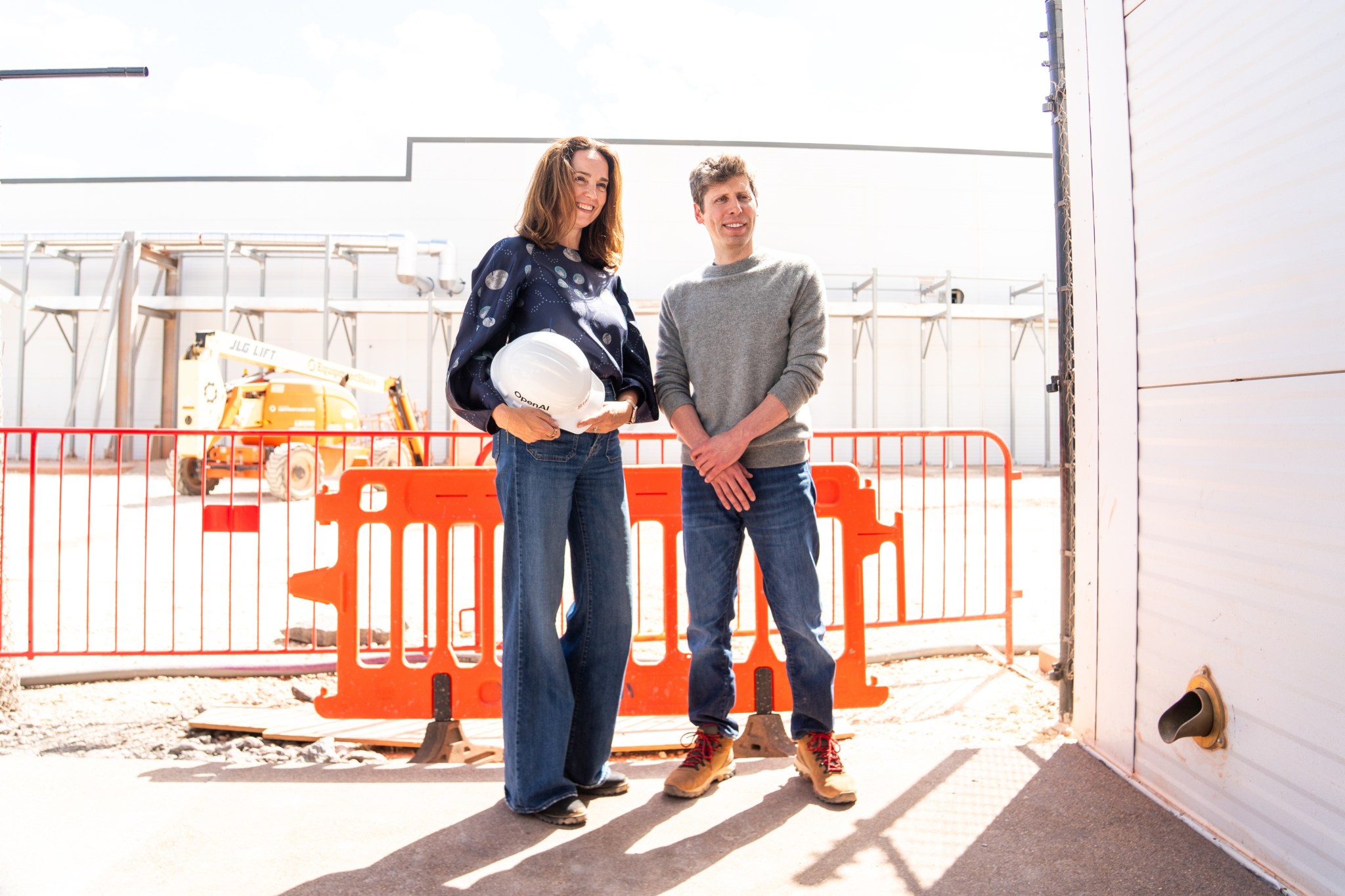
OpenAI is currently facing internal pressure as the company reportedly missed its latest revenue targets. This has led to a disagreement between Chief Executive Officer Sam Altman and Chief Financial Officer Sarah Friar regarding the company's financial direction. While OpenAI struggles to meet its income goals, the broader tech industry is spending more than ever on artificial intelligence. Total spending on AI infrastructure is expected to reach a massive $660 billion this year, raising questions about when these huge investments will finally pay off.
Main Impact
The primary impact of this development is a growing concern over the financial health of the AI industry. For a long time, investors and tech leaders focused on the amazing things AI could do. Now, the focus is shifting toward whether these companies can actually make money. If the leader of the industry, OpenAI, is missing its revenue marks, it suggests that turning advanced technology into a profitable business is harder than many expected. This tension at the top of OpenAI shows that even the most successful AI firms are feeling the heat from high costs and high expectations.
Key Details
What Happened
Reports indicate that OpenAI did not reach the specific revenue numbers it had promised to investors. This failure has caused a rift between Sam Altman, who often pushes for rapid growth and more powerful technology, and Sarah Friar, who manages the company's finances. At the same time, other major tech stories are unfolding. Meta, the company that owns Facebook, saw a major deal in China fall through. This "Manus fiasco" is being seen as a warning from the Chinese government to other Western tech companies. Additionally, the global economy is showing signs of stress, with oil prices climbing to $111 per barrel and a tense situation in the Strait of Hormuz involving a tanker escape.
Important Numbers and Facts
The numbers involved in the current AI boom are staggering. Analysts predict that capital expenditure, or the money spent on physical assets like computer chips and data centers, will hit $660 billion this year alone. Despite the high cost of oil and internal corporate struggles, the stock market has reached new record highs. However, everyday costs are also rising. For many people, moving to a new home has become so expensive that experts are now calling it a "luxury good." This means that while big tech companies spend billions, the average person is finding it harder to afford basic life changes.
Background and Context
To understand why this matters, we have to look at how much it costs to run an AI company. Building tools like ChatGPT requires thousands of expensive computer chips and a massive amount of electricity. OpenAI has moved from being a small research group to a massive corporation that needs billions of dollars to keep running. Because they need so much money, they have to prove to investors that they can generate a lot of profit. When a company misses its revenue target, it makes people worry that the "AI bubble" might be getting too big. The disagreement between the CEO and CFO is a classic sign of a company trying to balance its big dreams with its bank account.
Public or Industry Reaction
The tech industry is watching OpenAI very closely. Many experts believe that if OpenAI can solve its revenue problems, the rest of the industry will follow. However, if the tension between Altman and Friar continues, it could lead to leadership changes or a shift in how the company operates. Meanwhile, the reaction to Meta’s failed deal in China has been one of caution. Business leaders are realizing that doing business in international markets is becoming more political and risky. In the financial world, there is a mix of excitement over record stock prices and fear over the rising cost of energy and housing.
What This Means Going Forward
In the coming months, OpenAI will likely face more pressure to release new products that can bring in quick cash. We can expect to see more focus on business tools and paid services rather than just free technology for the public. The $660 billion being spent on AI infrastructure will either lead to a new era of productivity or a major financial correction. If companies cannot find a way to make back the money they are spending on chips and power, they may have to cut back on their AI plans. Additionally, high oil prices and housing costs will continue to weigh on the global economy, making it harder for businesses to grow without limits.
Final Take
The era of spending without limits in the AI world is coming to an end. While the technology remains impressive, the people in charge of the money are starting to demand results. The friction at OpenAI is a clear sign that even the biggest names in tech must eventually answer to the reality of their balance sheets. As the industry moves toward a $660 billion spending peak, the focus will no longer be on what AI can do, but on how much people are willing to pay for it.
Frequently Asked Questions
Why did OpenAI miss its revenue target?
While specific details are not public, missing a target usually means the company did not sell as many subscriptions or business services as they expected. High competition and the high cost of running AI models also make it harder to reach profit goals.
What does "AI capex" mean?
Capex stands for capital expenditure. In the AI world, this refers to the money companies spend on building data centers and buying the powerful hardware, like Nvidia chips, needed to train and run artificial intelligence systems.
Why is moving house considered a luxury good now?
Because of high interest rates and rising property prices, the cost of selling a home and buying a new one has become too expensive for many families. This has made moving something that only wealthy people can easily afford.