Summary
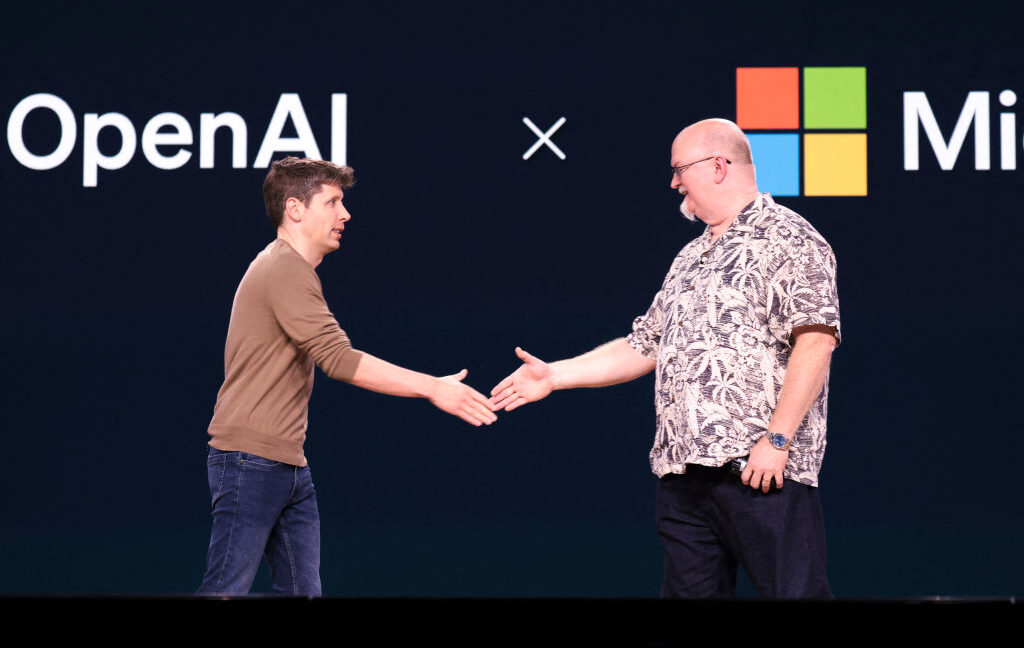
OpenAI and Microsoft have officially changed the terms of their long-term business deal. For years, OpenAI was required to use Microsoft’s Azure cloud services exclusively to run its powerful artificial intelligence tools. Under a new agreement announced today, OpenAI is now free to work with other cloud companies. This change marks the end of a strict partnership that helped both companies become leaders in the AI world.
Main Impact
The biggest change is that OpenAI can now put its technology on any cloud platform it chooses. In the past, if a company wanted to use OpenAI’s models through a cloud provider, they had to go through Microsoft. Now, OpenAI can partner with other major tech firms like Google or Amazon. This move gives OpenAI more freedom to grow and find new ways to reach customers without being tied to just one partner.
For Microsoft, this means they no longer have total control over how OpenAI’s tech is shared. However, they still hold a very strong position. Microsoft will keep a license to use OpenAI’s intellectual property for several more years. While the relationship is no longer exclusive, the two companies will still work closely together on many projects.
Key Details
What Happened
The two companies released a joint statement explaining that their partnership is entering a new phase. The original deal started in 2019 when Microsoft gave OpenAI $1 billion. Since then, Microsoft has invested billions more. The new update removes the rule that said OpenAI could only use Microsoft’s Azure cloud. Now, OpenAI can "serve all its products to customers across any cloud provider."
Important Numbers and Facts
Several specific dates and financial rules were included in the announcement. Microsoft will keep its license to use OpenAI’s models and technology until the year 2032. During this time, Azure will still be the "primary" cloud partner for OpenAI, but it will not be the only one. OpenAI will also continue to give Microsoft 20 percent of its revenue. however, there is now a limit on how much total money Microsoft can receive from this share. This payment agreement is currently set to last until 2030.
Background and Context
To understand why this matters, it helps to know how AI works. AI programs like ChatGPT need a massive amount of computer power to run. This power comes from "the cloud," which is basically a huge network of powerful computers owned by companies like Microsoft, Google, and Amazon. Since 2019, OpenAI relied entirely on Microsoft’s computers to build and run its tools.
There was also a famous rule in their old contract called the "AGI clause." AGI stands for Artificial General Intelligence, which is an AI that can do any task a human can do. The old deal said that if OpenAI ever created AGI, the partnership would change or end. The new agreement makes the money side of the deal separate from how much progress OpenAI makes toward AGI. This simplifies things for both companies as the technology gets smarter.
Public or Industry Reaction
People who follow the tech industry see this as a sign that OpenAI wants to be more independent. By working with other cloud providers, OpenAI can reach more developers and businesses that might not want to use Microsoft services. Some experts believe this change happened because OpenAI needs even more computer power than Microsoft can provide alone. Others think it might be a way to avoid legal trouble from government groups that worry about one or two companies having too much power over AI.
What This Means Going Forward
In the coming months, we might see OpenAI’s technology appear on other platforms. This could make it easier for different types of businesses to build AI tools. Microsoft will still be a major player because they have a head start and a long-term license. However, the competition between cloud companies will likely heat up. Google and Amazon may now try to win over OpenAI as a customer, which could lead to faster innovation and lower prices for AI services.
Final Take
This update shows that the AI industry is moving very fast. A deal that seemed permanent just a few years ago is already being rewritten to fit a new reality. OpenAI is gaining the freedom it needs to become a global tech giant on its own, while Microsoft is protecting its investment for the next decade. Both companies are preparing for a future where AI is everywhere, and no single company can hold all the keys.
Frequently Asked Questions
Is OpenAI still working with Microsoft?
Yes, they are still partners. Microsoft will remain the primary cloud provider for OpenAI and will keep a license to use OpenAI's technology until 2032.
Can OpenAI use Google or Amazon clouds now?
Yes. The new agreement allows OpenAI to use any cloud provider it wants, meaning it is no longer forced to use only Microsoft Azure.
What happened to the AGI clause?
The new deal makes the revenue payments independent of OpenAI's progress toward creating human-level AI. This means the financial part of the deal is now simpler and less tied to specific tech milestones.