Summary
OPEC+ has agreed to increase oil production by another 188,000 barrels per day starting in August. This is the fifth straight monthly increase as the group slowly reverses earlier production cuts. The decision comes as oil prices have fallen sharply from their war-time highs, and concerns are now shifting from a supply shortage to a possible oversupply in the market.
Main Impact
The main impact of this production increase is that oil prices are likely to stay low or fall further. Brent crude, a global benchmark, is now trading around $72 per barrel. That is a big drop from its April peak of $126 per barrel. The reopening of the Strait of Hormuz and higher output from Gulf countries like Saudi Arabia and the UAE have helped calm fears of major supply disruptions. But now, analysts at major banks like Morgan Stanley and Goldman Sachs are warning that the market could face a glut next year if production keeps rising without matching demand.
Key Details
What Happened
OPEC+, which includes major oil producers like Saudi Arabia and Russia, decided to raise output quotas by 188,000 barrels per day from August. This brings the total increase since the war began to about 940,000 barrels per day. The group is slowly unwinding the production cuts it put in place earlier.
Important Numbers and Facts
Saudi Arabia, the world's top oil exporter, shipped an average of 6.3 million barrels per day last week. That is almost 90% of its pre-war levels from February. The UAE, which left OPEC+ on May 1, shipped 3.94 million barrels per day of crude and condensate in June. That is above its pre-war levels. The UAE has also been using oil from its storage tanks to boost exports further. Meanwhile, more than 60 million barrels of oil that were stuck when the war started have now been released into the market after the U.S.-Iran agreement.
Background and Context
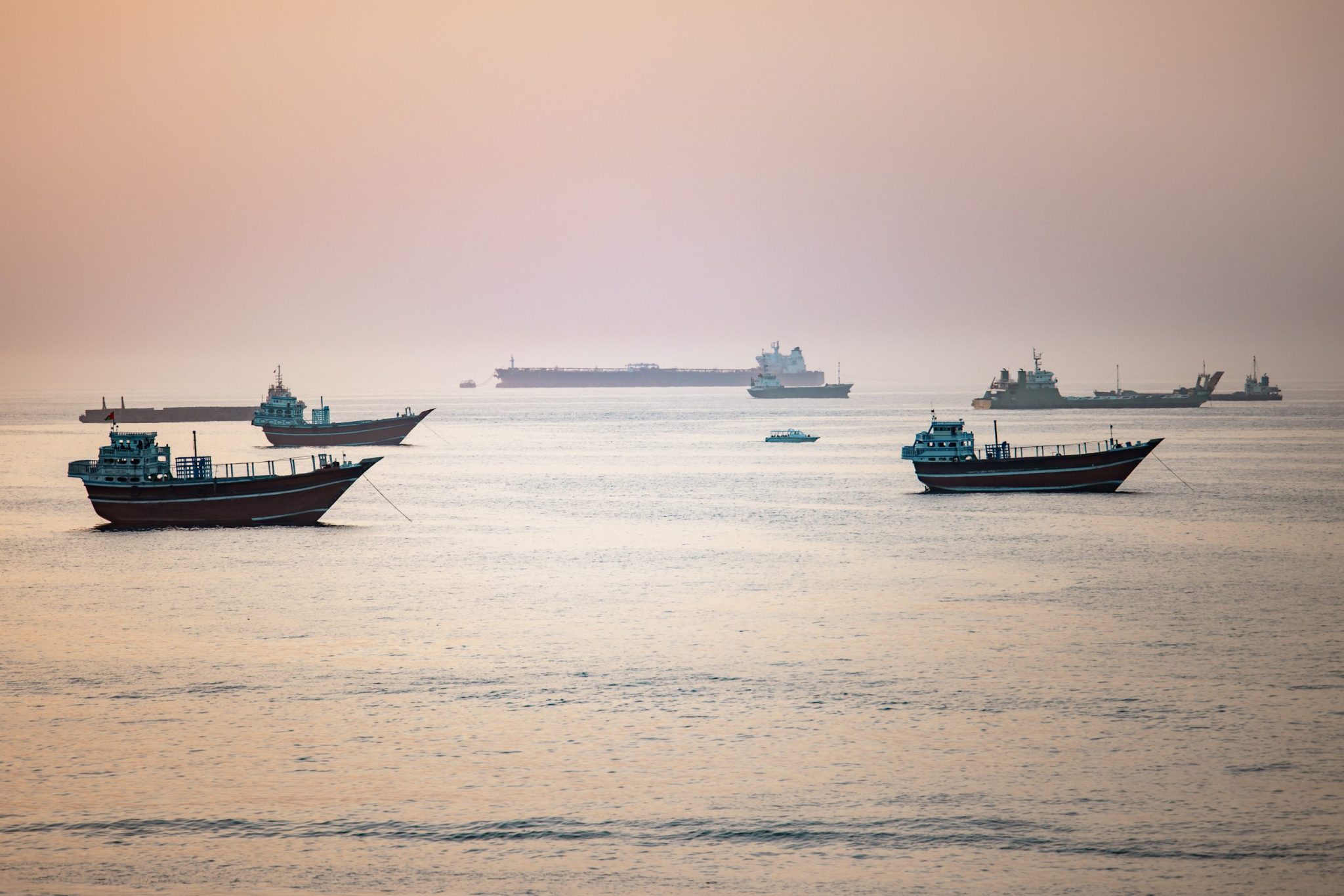
Oil prices shot up earlier this year because of the war and fears that supply from the Gulf region would be cut off. The Strait of Hormuz, a key waterway for oil shipments, was a major worry. But as Gulf countries have ramped up production and the strait has reopened, prices have come down. Now, the big question is whether demand will keep up with rising supply. China, the world's largest oil importer, has not increased its buying much. It cut imports by about 5 million barrels per day compared to before the war, and has not yet returned to those levels.
Public or Industry Reaction
Analysts are starting to sound the alarm. Morgan Stanley and Goldman Sachs both warned last week that the market could be heading for a glut next year if producers keep pumping without thinking about demand. The UAE is now even selling oil to buyers as far away as Hawaii, which shows how much supply is flowing. Some experts say the market has shifted from worrying about not having enough oil to worrying about having too much.
What This Means Going Forward
If OPEC+ keeps increasing production and demand does not pick up, oil prices could fall further. That would be good for consumers who pay less for fuel, but bad for oil-producing countries that rely on high prices to fund their budgets. China's buying habits will be a key factor to watch. If it starts importing more oil again, that could help balance the market. But if it stays low, the risk of a glut will grow. The next few months will show whether the market can absorb all the extra oil being pumped.
Final Take
The oil market has made a sharp turn. Just a few months ago, everyone was worried about a shortage. Now, the fear is a glut. OPEC+'s decision to keep raising output shows that producers believe the supply crisis is over. But if demand does not catch up, the market could soon have more oil than it needs. This is a situation worth watching closely.
Frequently Asked Questions
Why is OPEC+ increasing oil production now?
OPEC+ is increasing production because oil prices have fallen and supply fears have eased. The reopening of the Strait of Hormuz and higher output from Gulf countries have reduced the risk of a shortage. The group is slowly reversing the production cuts it made earlier.
What does a possible oil glut mean for prices?
A glut means there is more oil available than people want to buy. This usually pushes prices down. If a glut happens, consumers could see lower fuel costs, but oil-producing countries would earn less money from their exports.
How is China affecting the oil market?
China is the world's largest oil importer, but it has not increased its buying much after cutting imports during the war. If China starts buying more oil again, it could help balance the market. If it stays low, the risk of oversupply grows.