
Summary
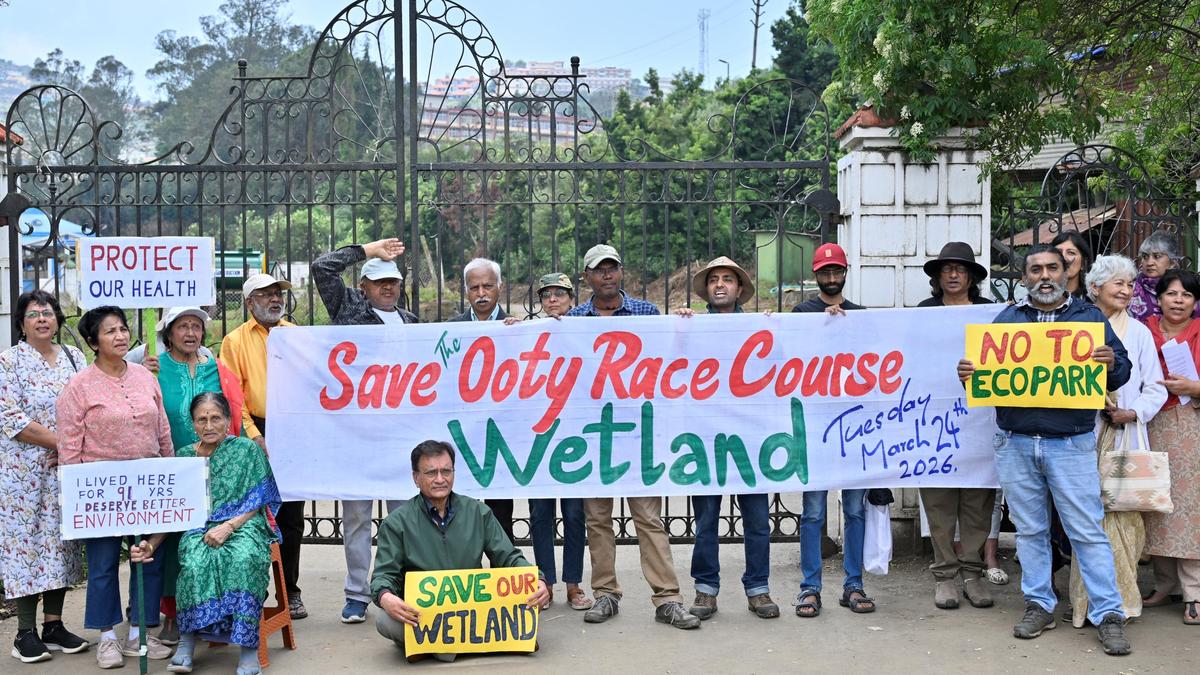
Local residents and heritage groups in Ooty are strongly protesting a government plan to convert the historic Ooty Race Course into an eco-park. The protesters argue that the race course is a vital part of the town's history and a major draw for tourists. They believe that replacing the track with a park will destroy a century-old tradition and hurt the local economy. The government, however, maintains that the land should be used for public green space to benefit the environment and the community.
Main Impact
The decision to change the use of this land has created a significant conflict between the state government and the local community. If the plan moves forward, it will end horse racing in the Nilgiris, a sport that has been a staple of the region for over 130 years. This change would affect hundreds of workers, including horse trainers, grooms, and local vendors who depend on the racing season for their income. Additionally, the move has raised questions about how historic sites should be managed and whether modern development should take priority over cultural heritage.
Key Details
What Happened
The controversy began when the state government announced its intention to take back the land currently leased to the Madras Race Club. The plan is to transform the 55-acre site into a large eco-park featuring gardens, walking paths, and more trees. In response, various groups, including the Ooty Town Public Awareness Association and local horse owners, organized rallies and submitted petitions. They are calling for the government to cancel the project and allow the race course to continue its operations as it has since the late 19th century.
Important Numbers and Facts
The Ooty Race Course is situated at an altitude of about 2,200 meters, making it one of the highest race tracks in the world. The land in question covers roughly 55 acres in the heart of the town. The racing season typically takes place during the summer months of April, May, and June, attracting thousands of visitors from across the country. Records show that the race course has been a central feature of Ooty since 1889. Protesters point out that Ooty already has several major parks, including the Government Botanical Garden and Rose Garden, which together cover more than 70 acres of land.
Background and Context
Ooty, also known as Udhagamandalam, is a famous hill station that was developed during the British era. The race course was built to provide entertainment and a place for social gatherings. Over the decades, it became a symbol of the town's unique character. The current dispute arose because the long-term lease for the land expired, and the government decided not to renew it for the race club. Officials argue that the town needs more open spaces that are free for everyone to use, rather than a private club that only operates for a few months a year. They believe an eco-park will help preserve the local environment and provide a year-round attraction for residents and visitors alike.
Public or Industry Reaction
The reaction from the local community has been largely negative. Many residents feel that the government is ignoring the town's identity. Shopkeepers and hotel owners are concerned that losing the races will lead to a drop in high-spending tourists during the summer. Horse owners are particularly worried about the welfare of their animals, as the Ooty track provides a necessary environment for horses to train in cooler temperatures. On the other hand, some environmental activists support the idea of more trees and less construction in the hill station, though they worry that even an "eco-park" might involve too much concrete and artificial structures.
What This Means Going Forward
The future of the Ooty Race Course is currently uncertain as the matter has reached the courts. Legal battles are expected to continue as the Madras Race Club fights to keep its lease. If the government wins, the transformation into a park could begin within the next year. This would mean the permanent removal of the stables and the track. If the protesters succeed, the government may have to look for other areas to increase green cover. There is also a possibility of a compromise, where a portion of the land is turned into a park while the racing track is preserved, though no such offer has been made yet.
Final Take
The fight over the Ooty Race Course is a clear example of the tension between preserving the past and planning for the future. While adding green space is usually a good thing for a growing town, doing so at the cost of a unique historical landmark is a difficult choice. The outcome of this dispute will set a precedent for how other historic sites in India are treated. For the people of Ooty, the race course is more than just a piece of land; it is a piece of their home that they are not ready to give up.
Frequently Asked Questions
Why does the government want to turn the race course into a park?
The government wants to increase the amount of public green space in Ooty. They believe an eco-park will be better for the environment and will allow more people to enjoy the land throughout the year, rather than just during the racing season.
Why are people protesting against the eco-park?
Protesters believe the race course is an important part of Ooty's history and culture. They are also worried that losing the races will hurt the local economy and take away jobs from people who work with the horses and in the tourism industry.
How old is the Ooty Race Course?
The Ooty Race Course has been in existence since 1889. It has been a major part of the town's social and sporting life for over 130 years and is known as one of the highest race tracks in the world.



