
Summary
Environmental groups and local activists are calling on the Tamil Nadu government to stop the planned development of an eco-park at the Ooty Race Course. They argue that the project will damage the local environment and destroy one of the last large open spaces in the hill station. While the government views the park as a way to improve tourism, conservationists believe it will lead to more concrete construction and harm the natural drainage of the area. The debate highlights the growing tension between urban growth and nature protection in sensitive mountain regions.
Main Impact
The decision to transform the historic race course into a public park could have lasting effects on Ooty’s climate and safety. By adding walking paths, buildings, and artificial gardens, the project may reduce the land's ability to soak up rainwater. This change increases the risk of local flooding and puts more pressure on the town's already crowded infrastructure. For residents, the loss of a quiet, open green space represents a shift away from the natural beauty that makes the town famous.
Key Details
What Happened
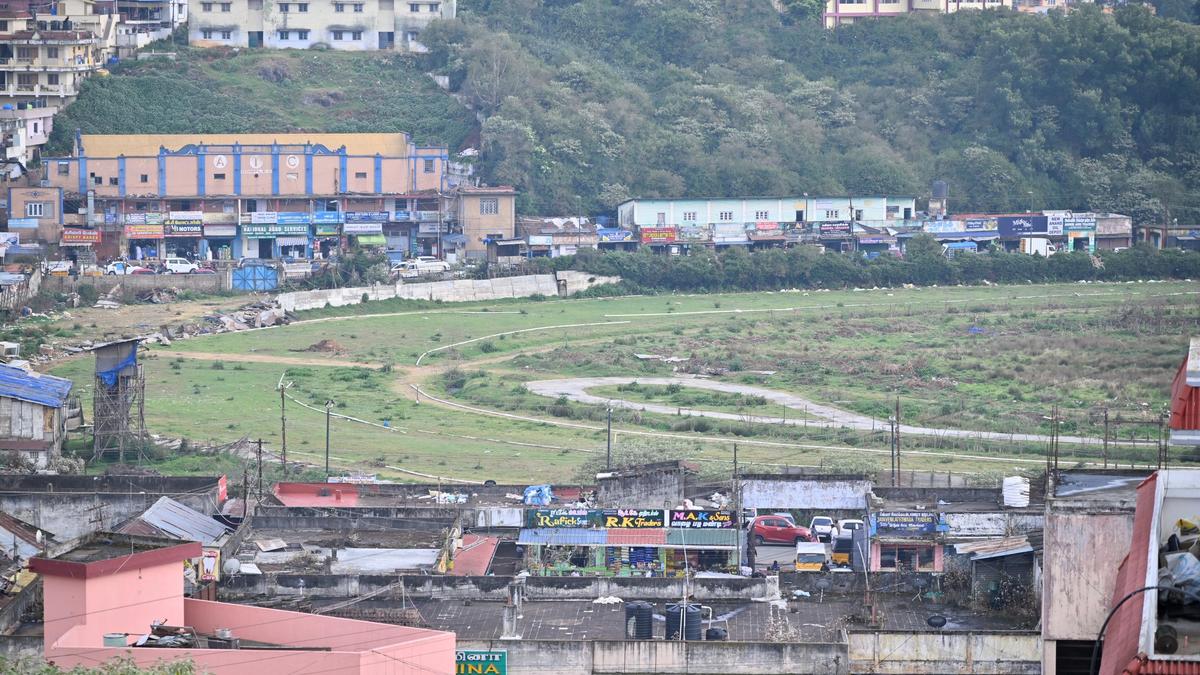
The state government recently moved forward with a plan to take over the Ooty Race Course and turn it into a major tourist attraction called an eco-park. For over a century, this land has been used for horse racing and has remained mostly free of permanent buildings. Conservationists have now sent formal requests to government officials, asking them to cancel the project. They argue that the term "eco-park" is misleading because these projects often involve laying down stone paths, installing lights, and building shops, all of which harm the soil and local wildlife.
Important Numbers and Facts
The Ooty Race Course covers approximately 55 acres of flat land in the center of the town. It is located at an altitude of about 2,240 meters above sea level. Ooty already sees more than 3 million tourists every year, putting a massive strain on its water and road systems. Activists point out that the race course acts as a natural sponge for the town, helping to manage the heavy rainfall that occurs during the monsoon season. They fear that covering even a small part of this area with hard surfaces will disrupt this natural process.
Background and Context
Ooty, also known as Udhagamandalam, was once a quiet retreat known for its cool weather and vast green hills. Over the years, it has become a busy tourist hub. This growth has led to many problems, including a shortage of water and an increase in plastic waste. The race course is one of the few places left in the town center that has not been covered by hotels or shops. In mountain towns, keeping open spaces is vital because the ground needs to be able to absorb water to prevent landslides. When natural fields are turned into parks with paved areas, the water has nowhere to go, which can lead to disasters during heavy storms.
Public or Industry Reaction
The reaction from the public has been mixed but leans toward concern among those who live in Ooty year-round. Environmental experts say that the town does not need more man-made attractions. They believe the government should focus on protecting the existing forests and cleaning up the local lake instead. Some heritage lovers also argue that the race course is a part of the town's history and should be kept as it is to honor its past. However, some local business owners hope that a new park will encourage tourists to stay longer and spend more money in the area.
What This Means Going Forward
If the government ignores the pleas of the conservationists, construction could begin soon. This might lead to legal battles in the courts as green groups try to protect the land. The situation serves as a test for how the state handles development in the Nilgiris district. If the project is stopped, it could encourage other hill stations to protect their open lands from similar projects. If it moves forward, it may signal a future where even the most sensitive natural areas are turned into commercial tourist spots. The next few months will be critical as officials decide whether to listen to the environmental warnings or proceed with their original plan.
Final Take
True conservation means leaving nature alone rather than trying to redesign it for human entertainment. The Ooty Race Course serves a vital role as an open green lung for the town, and turning it into a structured park could do more harm than good. Protecting the environment in a mountain region requires a careful balance, and in this case, the best move for the future of Ooty is to keep the land exactly as it is today.
Frequently Asked Questions
Why are environmentalists against the new eco-park?
They are worried that the park will involve building concrete paths and structures that will stop the ground from absorbing rainwater, leading to floods and environmental damage.
What is the history of the Ooty Race Course?
The race course has been a major part of Ooty for over 100 years. It is a large, flat area used for horse racing and is one of the last remaining open spaces in the town center.
What do activists want the government to do instead?
Activists want the government to leave the land as an open green space and focus on fixing existing environmental issues in Ooty, such as water shortages and waste management.



