
Summary
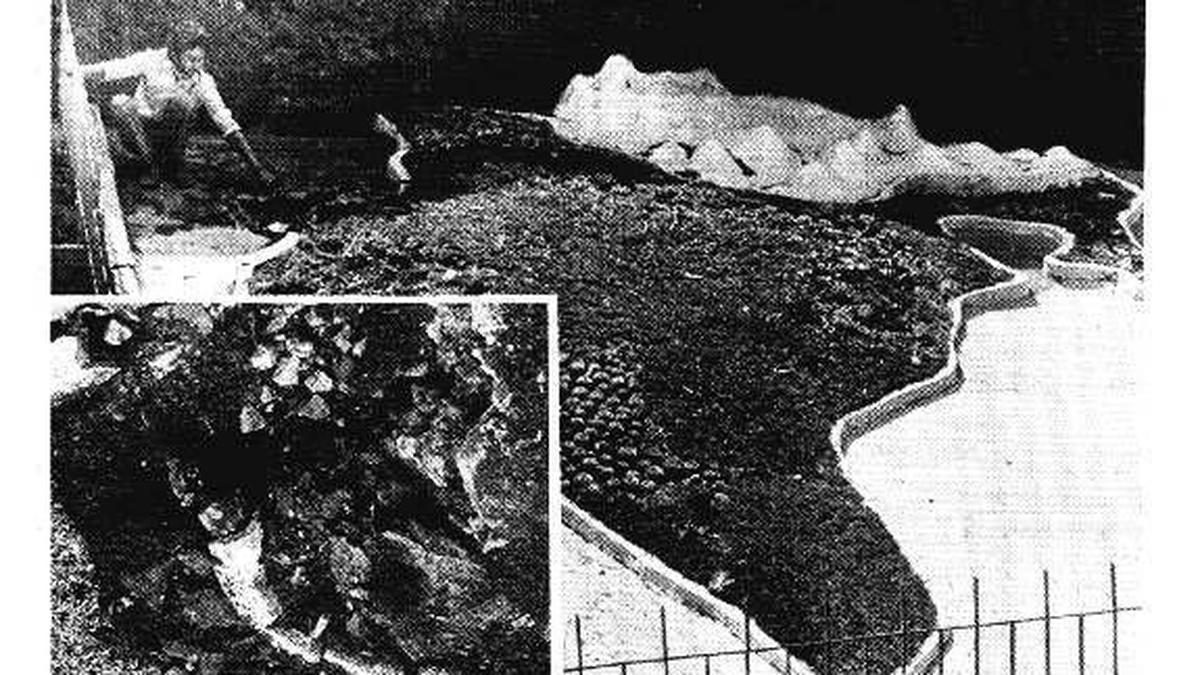
A significant explosion once rocked the quiet Botanical Garden in Udhagamandalam, commonly known as Ooty. The blast was carried out by members of the Tamil Viduthalai Padai, a militant group active during a period of intense political unrest. This act of violence was not random; it was a calculated move to protest the mandatory use of the Hindi language and to push for the creation of an independent state known as Tamil Eelam. The event remains a stark reminder of the deep linguistic and political divisions that have shaped the history of southern India.
Main Impact
The explosion in such a popular public space sent shockwaves through the state and the country. Beyond the physical damage, the blast served as a loud message to the central government regarding the local resistance to language policies. It brought the issue of "Hindi imposition" back to the center of national conversation, showing that some groups were willing to use extreme measures to protect their linguistic identity. The incident also led to increased security and a crackdown on militant organizations in the region, changing the way the government handled regional dissent.
Key Details
What Happened
The Tamil Viduthalai Padai, or the Tamil Liberation Army, targeted the Botanical Garden in Ooty for its symbolic value. By triggering a bomb in a place visited by people from all over India, they sought maximum visibility for their cause. The group was led by figures who believed that the central government in Delhi was ignoring the rights and the culture of Tamil-speaking people. The blast was timed to coincide with rising tensions over how the government was promoting Hindi in schools and offices across the southern states.
Important Numbers and Facts
The Tamil Viduthalai Padai was founded by Thamizharasan, a former engineering student who turned to militancy. The group operated mainly in the late 1970s and 1980s. During this era, several such incidents occurred across Tamil Nadu, targeting symbols of the central government, such as post offices, railway tracks, and statues. The Ooty blast was one of the more high-profile events because the town is a major tourist hub, and the Botanical Garden is its most famous landmark. While the group was small, their actions forced the state and central governments to deploy thousands of police officers to maintain order.
Background and Context
To understand why this happened, one must look at the history of language in India. After India became independent, there were long debates about what the national language should be. Many people in North India wanted Hindi, but people in the South, especially in Tamil Nadu, felt this would make them second-class citizens. They feared that if Hindi became the only official language, they would lose out on government jobs and their own culture would be pushed aside.
This fear led to massive protests in 1965, which were mostly peaceful but sometimes turned violent. Over time, some groups felt that peaceful protests were not working. They began to demand a separate country, Tamil Eelam, where they could govern themselves and speak their own language without interference. The Tamil Viduthalai Padai was one of the most radical groups born out of this frustration.
Public or Industry Reaction
The reaction to the blast was a mix of fear and political debate. Local residents in Ooty were terrified, as the town relied heavily on tourism, which dropped significantly after the incident. Political leaders in Tamil Nadu were put in a difficult position. While many agreed with the sentiment against Hindi imposition, they had to condemn the use of bombs and violence. The central government responded by labeling the group as a threat to national security, leading to a series of arrests that eventually weakened the organization.
What This Means Going Forward
Today, the era of militant groups like the Tamil Viduthalai Padai has largely passed, but the core issues remain relevant. The debate over the use of Hindi versus regional languages continues to be a hot topic in Indian politics. However, the fight has moved from the streets and bomb sites to the halls of parliament and social media. The government now follows a "two-language policy" in Tamil Nadu, which allows for the use of both Tamil and English, helping to keep the peace. This historical event serves as a lesson on how sensitive language and identity can be in a diverse nation.
Final Take
The explosion in Ooty was a violent chapter in a long struggle for cultural respect. It shows that when people feel their identity is being threatened, the results can be destructive. While the methods used by the Tamil Viduthalai Padai were widely condemned, the reasons behind their anger helped shape the language laws that exist in India today. Understanding this history is vital for anyone looking to understand the complex relationship between the central government and the various states of India.
Frequently Asked Questions
What was the Tamil Viduthalai Padai?
It was a militant group in Tamil Nadu that fought for a separate Tamil state and protested against the use of Hindi as a mandatory language in the region.
Why did they target the Botanical Garden in Ooty?
They chose the garden because it is a famous landmark that attracts people from all over the country, ensuring their protest would get national attention.
Is the group still active today?
No, the group lost its influence and mostly disappeared after the death of its leader and a series of police crackdowns in the late 20th century.



