
Summary
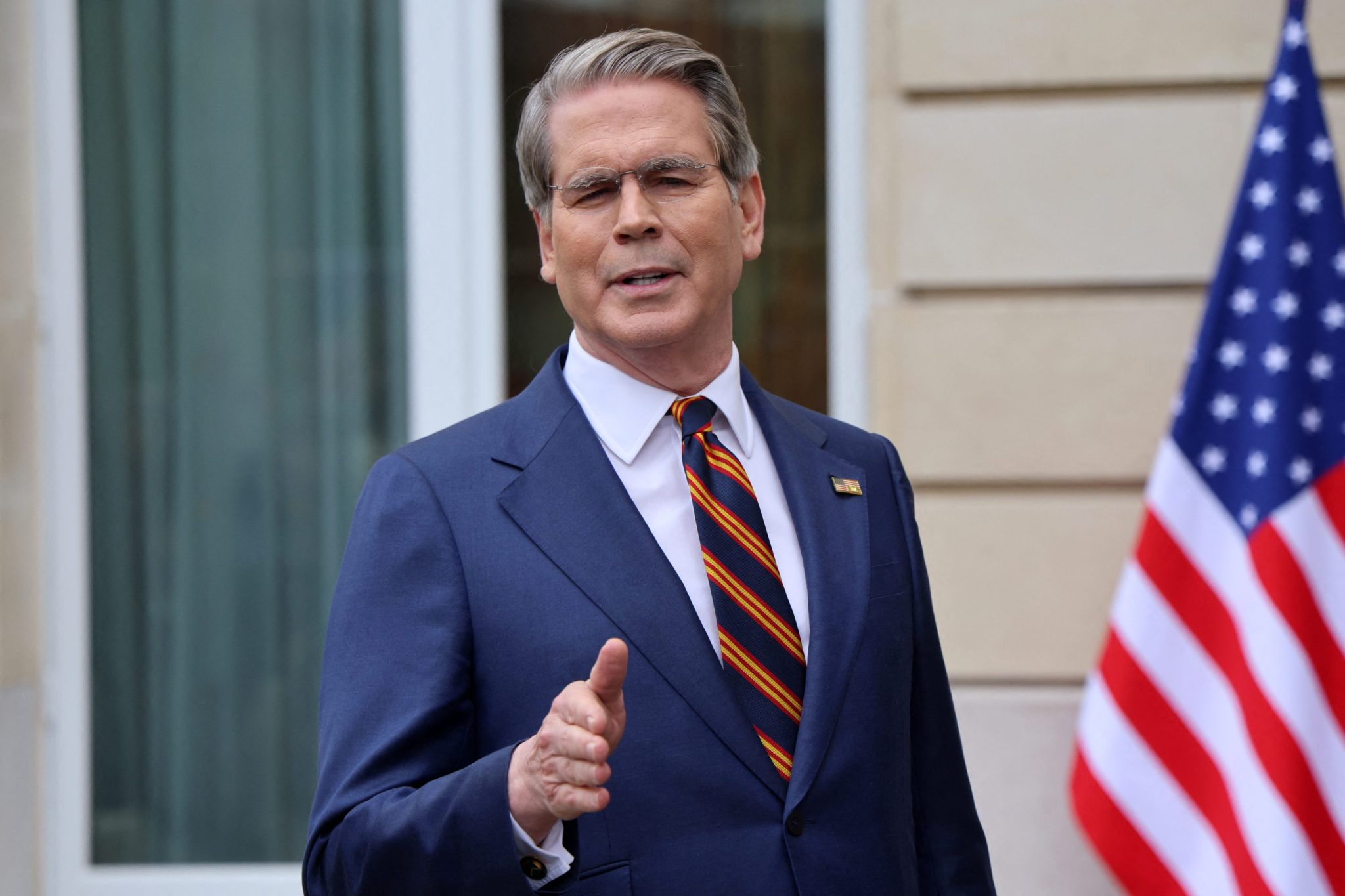
U.S. Treasury Secretary Scott Bessent is downplaying the recent spike in oil prices, claiming the media is exaggerating the situation. While Bessent insists there is no true crisis, President Donald Trump is actively calling on international allies to send warships to the Middle East. The goal is to keep the Strait of Hormuz open as Iranian drone and missile strikes continue to target neighboring countries and shipping lanes. These events have pushed oil prices to nearly $105 per barrel, causing concern for the global economy.
Main Impact
The primary impact of this conflict is the threat to the world’s energy supply. The Strait of Hormuz is a vital waterway where about 20% of the world's oil is moved. Because Iran has targeted commercial ships and nearby ports, shipping has slowed down significantly. This has caused oil prices to jump by more than 40% since the start of the war. If the waterway remains blocked or dangerous, families and businesses around the world could face much higher costs for fuel and goods.
Key Details
What Happened
On Monday, several major events took place across the Middle East. In the United Arab Emirates (UAE), a drone strike hit a fuel tank at Dubai International Airport, causing a fire and temporary flight delays. The UAE also reported being hit by six missiles and 21 drones in a single day. Meanwhile, sirens sounded in Jerusalem and Bahrain as more attacks were launched from Iran. In response, the U.S. military is working to reduce Iran’s ability to threaten ships, while Israel continues ground operations in Lebanon to push back Hezbollah fighters.
Important Numbers and Facts
The scale of the conflict is shown in the latest data from the region:
- Oil Prices: Brent crude oil is trading near $105 per barrel.
- Military Strikes: Israel claims to have destroyed 70% of Iran’s missile launchers and 85% of its air defenses.
- Humanitarian Cost: In Lebanon, over 850 people have been killed and 850,000 have been forced to leave their homes.
- UAE Attacks: Since the war began in February, the UAE has recorded over 300 ballistic missiles and 1,600 drones entering its airspace.
- Gaza Damage: The war has left an estimated 61 million tons of rubble in the Gaza Strip.
Background and Context
The Strait of Hormuz is a narrow stretch of water between Iran and Oman. It is the only way for oil tankers to get from the Persian Gulf to the rest of the world. Iran has often used its control over this area as a way to pressure other countries. Currently, Iran claims the strait is only closed to its "enemies," specifically the U.S., Israel, and their allies. However, the risk of being attacked has made most commercial shipping companies afraid to use the route. This has forced countries like Iraq to look for other ways to move their oil, such as using pipelines through Turkey.
Public or Industry Reaction
There is a clear divide in how world leaders are responding to the situation. Treasury Secretary Scott Bessent told reporters that the world will be "safer and better supplied" once the conflict ends. He criticized news outlets for creating panic. However, U.S. allies are showing caution. British Prime Minister Keir Starmer refused to send an aircraft carrier to the region, saying he will only act if there is a clear and legal plan. Italy has also expressed doubt about joining a military mission in the Strait of Hormuz, noting that their current naval roles are for defense and stopping pirates, not fighting a war.
What This Means Going Forward
The next few weeks will be critical for global trade and diplomacy. President Trump may delay a planned trip to China to stay in Washington and manage the war. The U.S. is still trying to convince at least seven other nations to join a naval coalition to protect oil tankers. If this coalition is successful, oil prices might stabilize. If not, the cost of energy could continue to rise. Additionally, the European Union is considering its own naval missions to help reopen the shipping lanes, which could bring more military power into the region.
Final Take
While the U.S. administration tries to project a sense of calm regarding the economy, the military reality in the Middle East is much more intense. The closure of a major oil route and the constant exchange of missiles have created a volatile environment. The success of the U.S. in building an international coalition will likely determine whether oil prices return to normal or if the global economy faces a much larger shock in the coming months.
Frequently Asked Questions
Why is the Strait of Hormuz so important?
It is the most important oil shipping lane in the world. About one-fifth of all traded oil passes through this narrow waterway. If it is blocked, the global supply of oil drops, which makes prices go up everywhere.
Why are oil prices at $105 per barrel?
Prices have risen because of the war between Iran and Israel. The threat of attacks on tankers in the Middle East makes it harder and more expensive to move oil, leading to a 40% price increase since the conflict started.
Is the U.S. getting help from other countries?
President Trump has asked seven countries to send warships to help. While some allies like the UK are offering technical help like drones, many are hesitant to send large warships or join the fighting directly.


