Summary
Stock markets are showing mixed signals and oil prices are climbing again after the deaths of American service members over the weekend. The U.S.-Iran conflict is heating up, with three U.S. troops killed in attacks linked to Iran. A former NATO commander warns that the Suez Canal could become a new target, adding more risk to global trade and energy supplies.
Main Impact
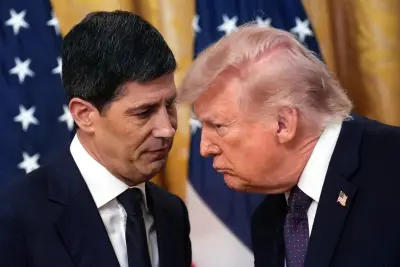
The deaths of U.S. troops in Jordan and Iraq have pushed the conflict with Iran closer to all-out war. Oil prices rose sharply on Sunday evening, with West Texas Intermediate crude climbing nearly 3% to $84.76 a barrel. Brent crude, the global benchmark, jumped 3.2% to $90.92. Stock futures were mixed, with the Dow Jones falling slightly while Nasdaq futures edged up. The rising death toll is putting pressure on President Donald Trump to decide on the next steps, as his earlier ceasefire agreement with Iran has already collapsed.
Key Details
What Happened
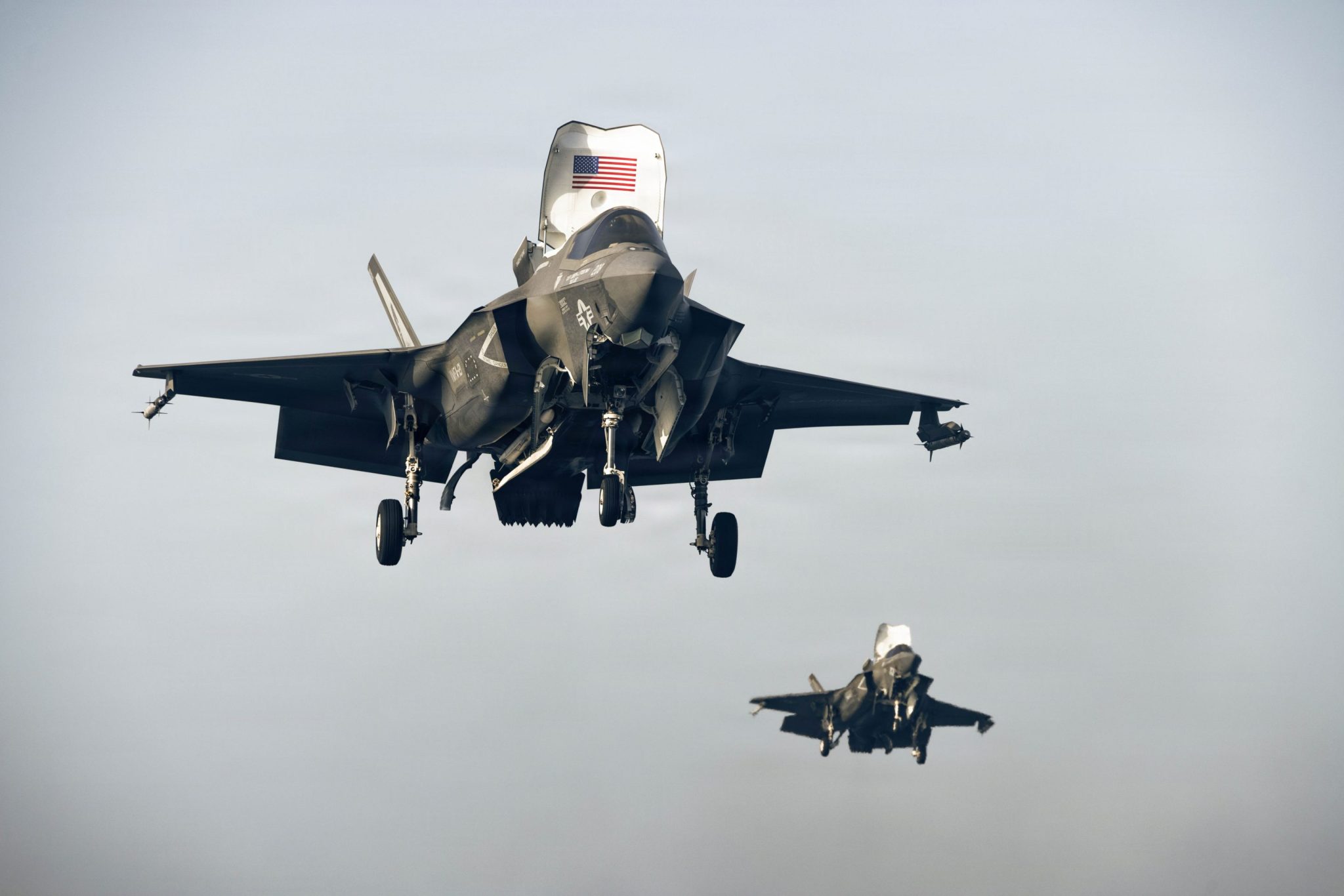
Two U.S. service members were killed in Jordan from an Iranian attack, and a third was killed in Iraq while trying to dispose of a downed Iranian drone. Another U.S. soldier is missing. These deaths cross a red line that President Trump had reportedly set as the threshold for ending the earlier ceasefire. The White House has not yet announced whether full-scale war will resume, but the U.S. military continues daily airstrikes on Iran as punishment.
Important Numbers and Facts
Stock futures were mixed: Dow futures fell 61 points (0.12%), S&P 500 futures dropped 0.05%, and Nasdaq futures rose 0.08%. Oil prices rose sharply: West Texas Intermediate hit $84.76 a barrel, and Brent crude reached $90.92. Gold prices fell 0.53% to $3,997 per ounce. Ship-tracking data shows no commercial vessels are using the U.S.-backed route through the Strait of Hormuz, while Iran's channel remains active. Global oil stockpiles are dropping to critically low levels.
Background and Context
The U.S.-Iran conflict began months ago, with the U.S. launching airstrikes against Iran. A ceasefire was signed last month, but it has since fallen apart. The Strait of Hormuz is a narrow waterway in the Persian Gulf that is critical for global oil shipments. About 20% of the world's oil passes through it. The U.S. military has tried to create an alternate route to bypass Iran's control, but drones and missiles from Iran have scared away commercial ships. Iran may also be using more advanced weapons that can get past U.S. air defenses, making U.S. bases in the region more vulnerable.
Public or Industry Reaction
Retired Admiral James Stavridis, who served as NATO Supreme Allied Commander, told CNN that President Trump now has three options, and "none of them are good." The first option is to walk away, which would be a terrible outcome for the U.S., the Gulf region, and global trade. The second option is to "go big" with hundreds of airstrikes a day and possibly ground troops, but this would be very costly. The third and most likely option is to continue the current "escalate to de-escalate" strategy of bombing and economic pressure while leaving room for negotiations. Stavridis also warned that Iran or its allies could threaten the Suez Canal, which sees even more ship traffic than the Strait of Hormuz. He said Iran is making noises about using Houthi fighters in Yemen to try to close the canal.
What This Means Going Forward
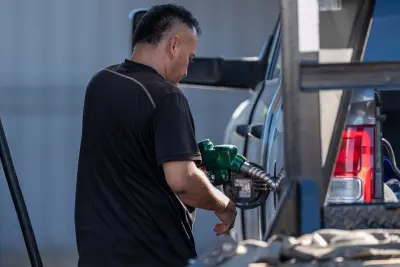
The situation is becoming more dangerous for global energy markets and trade. With oil stockpiles already low, any disruption to shipping through the Strait of Hormuz or the Suez Canal could push oil prices much higher. The U.S. military has not been able to break Iran's control over the Strait of Hormuz, and Trump's options are narrowing. If the conflict escalates further, it could lead to higher fuel costs for consumers and businesses around the world. The risk of the Suez Canal being targeted adds another layer of uncertainty for global supply chains.
Final Take
The U.S.-Iran conflict is at a critical point. The deaths of American troops have raised the stakes, and the White House must decide whether to escalate or find a way to de-escalate. Oil markets are already reacting, and any further disruption to key shipping routes could have serious consequences for the global economy. The coming days will be crucial in determining whether the situation spirals into all-out war or if a new path toward negotiations can be found.
Frequently Asked Questions
Why are oil prices rising because of the U.S.-Iran conflict?
Oil prices are rising because the conflict threatens shipping through the Strait of Hormuz, a narrow waterway where about 20% of the world's oil passes. With global oil stockpiles already low, any disruption to supply can push prices higher. The deaths of U.S. troops have increased the risk of all-out war, which could further disrupt oil shipments.
What is the Strait of Hormuz and why is it important?
The Strait of Hormuz is a narrow waterway between the Persian Gulf and the Gulf of Oman. It is a critical route for global oil shipments, with about 20% of the world's oil passing through it. Iran has significant control over this waterway, and any disruption there can affect oil prices and global energy supplies.
Could the Suez Canal really be threatened by Iran?
A former NATO commander has warned that Iran or its allies, such as the Houthi fighters in Yemen, could try to threaten the Suez Canal. The Suez Canal sees even more ship traffic than the Strait of Hormuz. If the canal were disrupted, it would have a major impact on global trade and shipping routes, potentially causing delays and higher costs for goods worldwide.