Summary
Global stock markets are facing a sharp decline as oil prices climb back above $100 per barrel. The main cause is the ongoing closure of the Strait of Hormuz, a vital shipping route that Iran has blocked with sea mines. Investors are particularly worried after President Trump suggested the U.S. is prepared for a long conflict, stating there is "plenty of time" to resolve the situation. This news has caused uncertainty across financial markets, leading to fears of lasting inflation and a lack of interest rate cuts.
Main Impact
The most immediate impact is the surge in energy costs, which is dragging down major stock indices worldwide. While oil companies like Exxon and Chevron are seeing their stock prices hit record highs, almost every other sector is struggling. The closure of the Strait of Hormuz means that a large portion of the world's oil supply is stuck, and the U.S. Navy has not yet been able to clear a safe path for tankers. This bottleneck is expected to drive up the price of not just fuel, but also food and basic consumer goods.
Key Details
What Happened
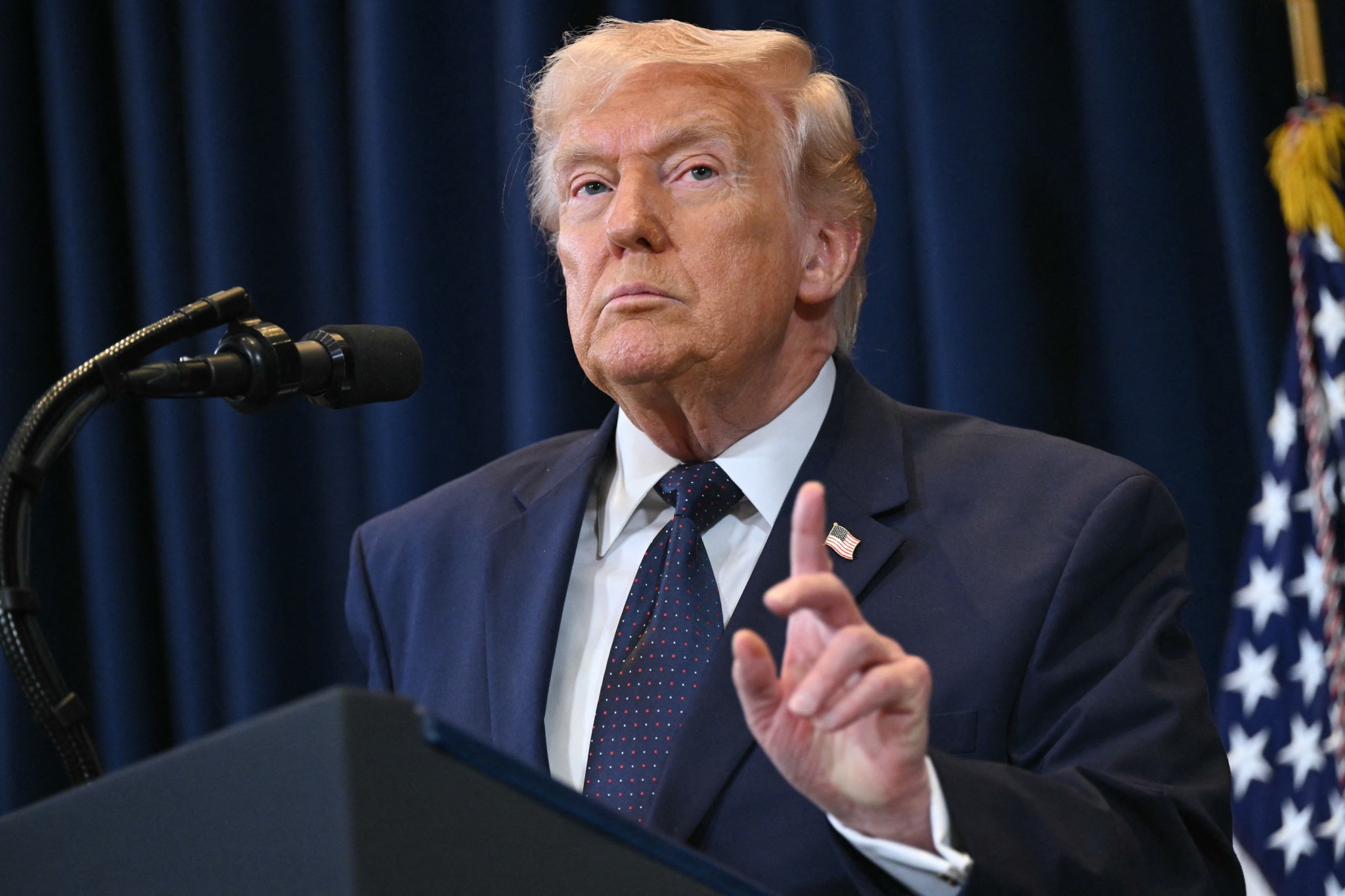
The situation in the Middle East has taken a turn for the worse as Iran successfully blocked the Strait of Hormuz. Reports indicate that sea mines have been placed in the water, and at least 18 ships have been struck so far. In the U.S., President Trump used social media to tell the public that the military has "unparalleled firepower" and "plenty of time" to deal with the crisis. This specific phrase—plenty of time—has signaled to Wall Street that a quick resolution is unlikely. Meanwhile, a major investigation revealed that the crypto exchange Binance may have allowed hundreds of millions of dollars to flow to organizations linked to the Iranian government through a VIP account.
Important Numbers and Facts
The financial impact of these events is clear in the latest market data. The S&P 500 dropped by 1.52% in a single day, and markets in Asia and Europe followed with similar losses. India’s Nifty 50 fell by more than 2%, while South Korea’s KOSPI lost 1.72%. In the tech world, Meta has reportedly spent $14.3 billion on its AI team but is still delaying its latest model, "Avocado," until May. Additionally, the movie industry in Los Angeles is seeing a massive slowdown, with production days dropping from over 36,000 in 2022 to fewer than 20,000 in 2025.
Background and Context
The Strait of Hormuz is one of the most important locations in the world for the global economy. A huge amount of the world's oil passes through this narrow stretch of water every day. When it is blocked, the global supply of oil drops, which causes prices to rise everywhere. This conflict comes at a time when the world was already struggling with high prices. Furthermore, there is confusion regarding Iran's leadership. After a major attack, it is unclear if the new leader, Mojtaba Khamenei, is still alive or in a coma. This lack of clear leadership makes it harder to predict how the war will end.
Public or Industry Reaction
Financial experts are reacting with caution. Many analysts now believe that the Federal Reserve will not cut interest rates at all this year because inflation is staying too high. Some economists are also pointing to the rising national debt, which they claim could be as high as $100 trillion when all future costs are counted. In the tech industry, there is a mix of fear and hope. While some fear AI will take jobs, a recent report from Morgan Stanley suggests that AI is actually creating new roles in specific technical fields. However, the Pentagon has recently stopped working with certain AI companies over concerns that their internal policies could make military tools less effective.
What This Means Going Forward
Looking ahead, the main concern is how long the Strait of Hormuz will remain closed. If the U.S. Navy cannot secure the area quickly, oil prices could stay above $100 for months. This would likely lead to higher prices at grocery stores and gas stations, putting more pressure on families. For investors, the focus will remain on the Federal Reserve. If inflation does not go down, interest rates will stay high, making it more expensive for people to get loans or mortgages. In the tech sector, Meta may have to rely on its rivals, like Google, to keep up in the AI race, which would be a major shift in the industry.
Final Take
The combination of a blocked global trade route and a long-term military outlook has created a difficult environment for the global economy. While oil companies are profiting from the crisis, the average person is likely to see higher costs for almost everything. The coming months will show whether the U.S. can reopen the shipping lanes or if the world must prepare for a new era of high energy prices and economic tension.
Frequently Asked Questions
Why is the price of oil going up?
Oil prices are rising because the Strait of Hormuz, a key shipping route, is closed. Iran has placed mines in the water, preventing tankers from moving oil to the rest of the world.
Will the Federal Reserve cut interest rates soon?
Most experts now believe interest rate cuts are unlikely this year. High oil prices are keeping inflation high, which usually prevents the Fed from lowering rates.
Is AI taking away all the jobs?
While AI is changing the job market, reports show it is also creating new jobs in technology and data management. However, some industries, like Hollywood, are seeing a general decline in work for other reasons.