
Summary
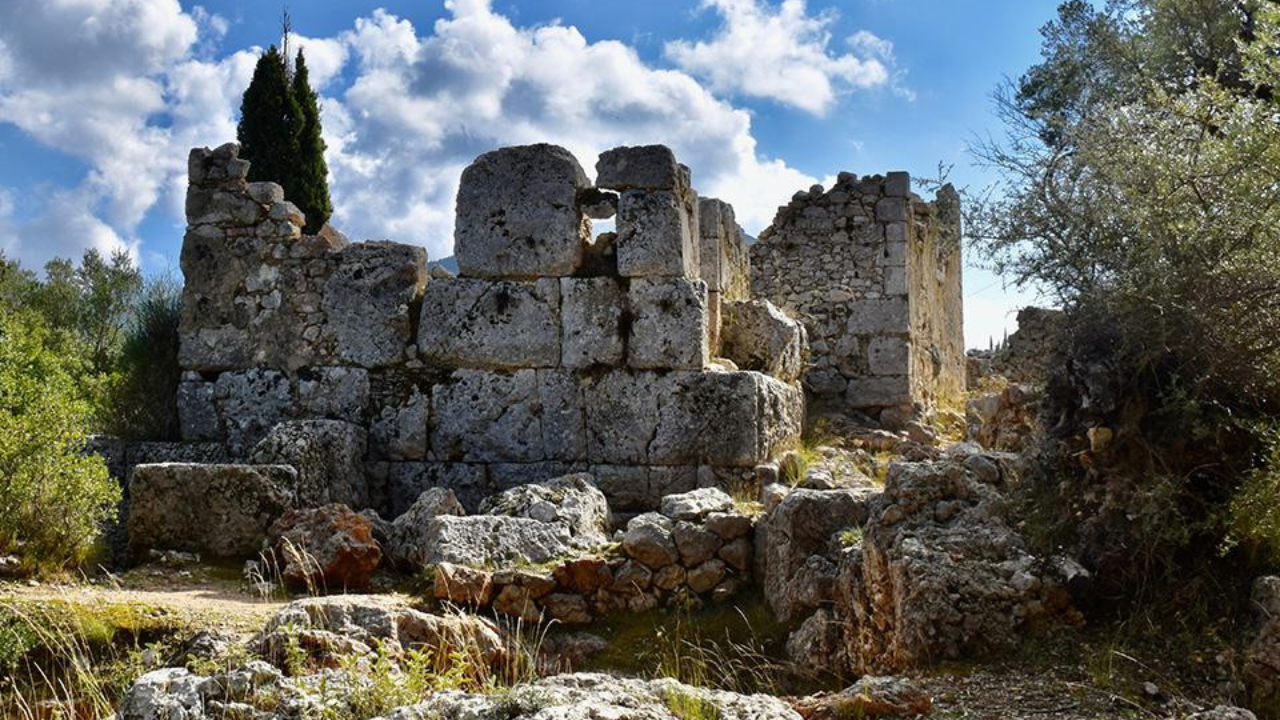
Archaeologists in Greece have uncovered a 3,000-year-old sanctuary on the island of Ithaca that appears to be dedicated to Odysseus, the legendary hero of the Trojan War. The site contains ancient artifacts, including pottery and ritual offerings that date back to the Mycenaean period. This discovery provides strong physical evidence that the hero of Homer’s epic poem was a figure of great importance to the people of ancient Greece. By finding a place where people gathered to honor him, researchers are bridging the gap between ancient myths and real historical events.
Main Impact
The discovery of this sanctuary is a major turning point for historians and fans of Greek mythology. For centuries, scholars have debated whether Odysseus was a real person or simply a character created by the poet Homer. While the find does not prove every detail of the "Odyssey" is true, it shows that the people of Ithaca treated Odysseus as a real and powerful figure. This site served as a center for a "hero cult," where ancient Greeks would leave gifts and perform rituals to seek the hero’s favor. This find moves the story of Odysseus out of the world of pure fiction and into the world of documented history.
Key Details
What Happened
The archaeological team conducted excavations on the island of Ithaca, which has long been identified as the home of Odysseus. During their work, they found a religious site filled with items used in ancient ceremonies. Among the most important finds were pieces of ceramics and pottery that featured inscriptions. These writings and symbols suggest the items were dedicated specifically to Odysseus. The presence of these ritual offerings indicates that the site was used for hundreds of years as a place of worship, showing that the legend of the hero remained strong long after the era of the Trojan War ended.
Important Numbers and Facts
The artifacts found at the site date back to the Mycenaean era, roughly around 1200 BC. This time period is significant because it matches the traditional dates given for the fall of Troy. The sanctuary itself has been buried for approximately 3,000 years, hidden beneath layers of earth and stone. Researchers found various types of pottery, including drinking vessels and bowls, which were commonly used in religious feasts. The location of the find on Ithaca is also vital, as it aligns with the geographical descriptions found in ancient texts, further supporting the island's claim as the hero's true home.
Background and Context
To understand why this matters, one must look at the story of the "Odyssey." In the poem, Odysseus is the King of Ithaca who spends ten years fighting in the Trojan War and another ten years trying to get home. He is known for his cleverness and his ability to survive impossible situations. For a long time, many people thought these stories were just folk tales. However, in the late 1800s, the city of Troy was discovered in modern-day Turkey, proving that parts of the legend were based on real places. Since then, archaeologists have been searching for proof of the heroes themselves. Finding a sanctuary on Ithaca is the closest researchers have come to finding a direct physical link to Odysseus.
Public or Industry Reaction
The news has caused a wave of excitement among historians and the general public. Local residents on Ithaca are particularly proud, as the discovery confirms their island's historical importance. In the world of entertainment, the timing of the discovery is perfect. A major new film titled "The Return," starring Ralph Fiennes and Juliette Binoche, is currently in development. This movie focuses on Odysseus returning home after his long journey. The archaeological find has added a new level of interest to the film, as audiences are now more curious than ever about the real man behind the myth. Experts in the field of archaeology are calling for more funding to continue the dig, hoping to find even more evidence of the hero's life.
What This Means Going Forward
This discovery is likely just the beginning of a new era of research on Ithaca. Archaeologists hope that by continuing to dig at this site, they might find evidence of a palace or a larger settlement. If a palace is found, it would be one of the most significant archaeological finds of the century. This discovery also changes how schools and universities teach the "Odyssey." Instead of treating it only as a piece of literature, teachers can now point to physical evidence that shows how the story influenced the real lives of ancient people. It also highlights the importance of protecting historical sites from modern development so that more secrets of the past can be uncovered.
Final Take
The line between legend and history is becoming thinner. By finding a place where ancient Greeks honored Odysseus, we gain a better understanding of how myths were built on a foundation of real belief and tradition. This sanctuary proves that even 3,000 years ago, the story of the clever king of Ithaca was powerful enough to inspire a community to build a lasting monument in his name.
Frequently Asked Questions
Was Odysseus a real person?
While we cannot prove every detail of his life, the discovery of a 3,000-year-old sanctuary dedicated to him suggests that ancient Greeks believed he was a real hero and a historical figure.
Where was the sanctuary found?
The site was discovered on the Greek island of Ithaca, which is the same island described as the home of Odysseus in Homer's famous poem, the "Odyssey."
What kind of items were found at the site?
Archaeologists found ancient pottery, ceramics with inscriptions, and ritual offerings that were used by people in the Mycenaean era to honor the hero.

