
Summary
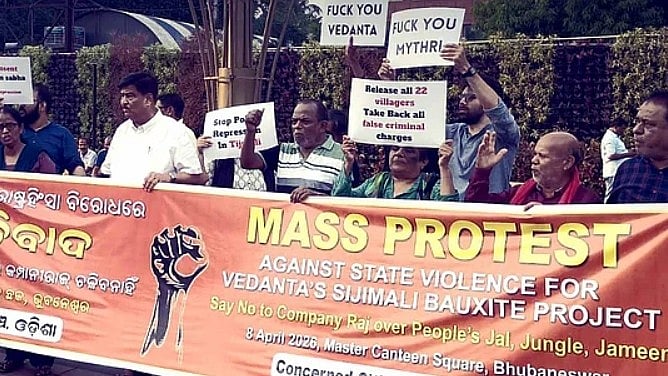
The Congress party has officially called for an independent investigation into recent violence in Odisha. The unrest is linked to a new bauxite mining project in the Sijimali region, which spans the Rayagada and Kalahandi districts. Tribal communities in the area have been protesting the project, leading to physical clashes with security forces. Congress leaders claim that the government is ignoring legal protections for local people to help private mining companies.
Main Impact
The primary impact of this situation is a growing tension between industrial growth and the rights of indigenous people. By calling for a probe, the Congress party is putting pressure on both the state and central governments to follow environmental and tribal laws. If the investigation finds that the government bypassed legal steps, it could stall the mining project and change how land is acquired for industrial use in the future. This conflict also highlights the physical risks faced by local villagers and police officers when large projects are started without local support.
Key Details
What Happened
The trouble began when the government started work on a road leading to a proposed bauxite mine in the Kashipur block of Rayagada. Local tribal residents, who fear the mine will destroy their environment and way of life, tried to stop the construction. On April 7, these protests turned into a violent confrontation between the villagers and security personnel. Reports indicate that the police used force to clear the area, which led to many people being hurt on both sides.
Jairam Ramesh, a senior leader in the Congress party, stated that the police action was excessive. He specifically pointed out that women and members of Scheduled Tribes were targeted during the crackdown. He argued that the state is trying to "bulldoze" the project through without following the necessary legal or constitutional steps. This has led to a formal demand for the Union Tribal Affairs Minister to step in and ensure a fair investigation.
Important Numbers and Facts
The clash on April 7 resulted in significant injuries. Approximately 60 police officers were hurt during the struggle, and more than 10 villagers reported injuries from the police action. The project is located in the Sijimali region, which is known for its rich bauxite deposits. Bauxite is the main ore used to produce aluminum, making it a very valuable resource for the mining industry.
The legal complaints center around three specific laws. The first is the Panchayat (Extension to Scheduled Areas) Act of 1996, often called PESA. The second is the Forest Rights Act of 2006. Both laws require the government to get permission from local village councils, known as Gram Sabhas, before starting projects on tribal land. The third is the SC/ST (Prevention of Atrocities) Act of 1989, which Congress claims was violated by the police during the protests.
Background and Context
Odisha is a state with a lot of mineral wealth, but much of that wealth is located under forests where tribal communities have lived for hundreds of years. For decades, there has been a struggle between the government's desire to mine these minerals and the people's desire to protect their land. Bauxite mining is particularly controversial because it often requires clearing large areas of forest and can affect local water sources.
The laws mentioned by the Congress party were created to prevent companies from taking land without talking to the people who live there. Under these rules, the local community must agree to the project through a formal meeting. Critics say that in many cases, these meetings are either skipped or the results are faked to make it look like the people agreed when they actually did not. This lack of honest communication is often what leads to protests and violence.
Public or Industry Reaction
The reaction to the violence has been strong. Not only the Congress party but also various Left-wing political groups have condemned the Odisha government. They believe the state is acting in the interest of private corporations rather than its own citizens. Fact-finding teams made up of politicians and activists have visited the Kashipur block to talk to the injured villagers and gather evidence of what happened during the clash.
On the other side, the mining industry often argues that these projects are necessary for the economy. They claim that mining creates jobs and brings money to poor regions. However, the local residents in Sijimali say that the environmental damage and the loss of their traditional land are too high a price to pay for these economic benefits.
What This Means Going Forward
The next step depends on whether the Union Tribal Affairs Minister, Jual Oram, decides to launch a formal inquiry. If an independent probe is started, it will look into whether the Gram Sabhas were actually consulted and if the police used more force than was allowed by law. This could lead to a temporary stop in the mining project.
For the mining industry, this case serves as a reminder that skipping legal steps can lead to long delays and bad publicity. For the tribal communities, the outcome of this struggle will show whether the laws designed to protect them are actually being enforced. The situation remains tense, and more protests are possible if the local community feels their voices are still being ignored.
Final Take
The conflict in Odisha shows that industrial progress cannot be forced upon people without following the law. When the government ignores the rights of tribal communities, it leads to violence that hurts everyone involved. A transparent investigation is the only way to find the truth and ensure that justice is served for the residents of Sijimali. Moving forward, the government must prioritize clear communication and legal compliance over the speed of industrial development.
Frequently Asked Questions
What is the Sijimali bauxite mining project?
It is a proposed mining operation in the Rayagada and Kalahandi districts of Odisha. It aims to extract bauxite, which is used to make aluminum, but it has faced strong opposition from local tribal groups.
Why are the tribal communities protesting?
The communities are worried about the environmental damage the mine will cause. They also claim the government did not get their legal consent or follow the laws that protect their land rights.
What laws are at the center of this dispute?
The main laws are the PESA Act of 1996 and the Forest Rights Act of 2006. These laws require the government to get approval from local village councils before using tribal land for mining or other projects.

