
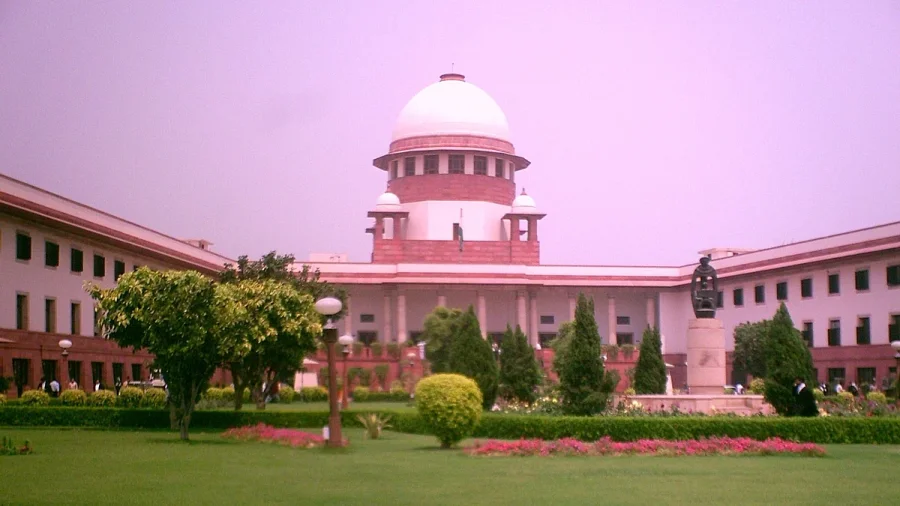
Supreme Court's three-week directive to the Centre
A Bench of Justices P.S. Narasimha and Alok Aradhe on Wednesday directed the Centre to explain, in writing, how proposed reforms at the National Testing Agency are being implemented. The court's central message: improvements must be institutionalised rather than remain limited to individual tests.
Why institutional reform matters more than single-exam fixes
The Bench pointed to the NTA's core needs — adequate infrastructure, trained personnel and advanced technological capabilities. Without these, the court indicated, entrance examinations cannot be conducted securely and efficiently at scale. A one-time correction after a problem emerges is not the same as a durable system.
The reform trail: from Radhakrishnan Committee to Nilekani panel
The court's direction rests on an established reform roadmap. Recommendations made by the Radhakrishnan Committee form the baseline, and they have been further developed by a panel led by Nandan Nilekani. The government is now being asked to show what it has actually done with that work.
What the affidavit must lay out
The secretary concerned has been asked to file the affidavit within three weeks. It must cover two things: the measures already adopted to implement the committee recommendations, and indicative timelines for the reforms still pending. In effect, the court is asking for a progress report with a completion schedule.
The students behind the courtroom battle
Behind the legal language is a simple human reality. Students and parents need an examination system they can trust — one where technical glitches, delays or security failures do not decide who gets a seat and who does not. The court's insistence on institutional capacity speaks directly to that anxiety.
Confirmed facts vs what remains unclear
What is confirmed: the Centre must file the affidavit within three weeks; the affidavit must address Radhakrishnan Committee recommendations as developed by the Nilekani panel; and the court has stressed infrastructure, manpower and technology as priority areas.
What is not yet public: which specific recommendations have already been implemented, the content of the indicative timelines, and the exact schedule of the next hearing once the affidavit is filed.
Implementation risks the court will be watching
The central risk is enforcement. A detailed affidavit does not guarantee change on the ground. Whether timelines are realistic, whether technology upgrades translate into secure exam delivery, and whether trained personnel are actually deployed will determine if the reform effort holds up under scrutiny.
A wider judicial pattern: courts as reform monitors
This hearing fits a broader trend of Indian courts monitoring institutional reform through periodic compliance affidavits. The approach compels accountability, but it also raises a deeper question: how long can judicial oversight substitute for administrative capacity within the agencies themselves?
What aspirants should do now
For students, this hearing does not change any immediate examination form or schedule. The practical value lies in what follows: once the affidavit enters the public domain, it will reveal the government's own assessment of how far the NTA reform has actually progressed. That document is worth watching.
The road ahead
The next milestone is the affidavit, due within three weeks. Once filed, the court is likely to examine whether the reform roadmap is concrete, time-bound and adequate. Whether the Bench sets further compliance milestones will depend on what the government's own submission reveals.
Our Take
The Supreme Court's insistence on institutionalisation is the real story here. Exam-by-exam fixes, however well-intentioned, cannot survive without durable systems — trained staff, modern infrastructure and secure technology. The three-week deadline is deliberately short; it forces the government to show progress rather than promise it. For millions of aspirants, the true test will not be the affidavit, but how the NTA performs in the next examination cycle.
Frequently Asked Questions
What did the Supreme Court order in the NTA reform case?
The Supreme Court directed the Centre to file an affidavit within three weeks explaining the steps taken to implement proposed reforms at the National Testing Agency. A Bench of Justices P.S. Narasimha and Alok Aradhe stressed that improvements must be institutionalised, not limited to individual examinations.
Who is on the Nandan Nilekani-led panel?
According to the court's direction, the Nandan Nilekani-led panel further developed the recommendations originally made by the Radhakrishnan Committee. The specific composition of the panel has not been detailed in the court's direction as reported.
What is the Radhakrishnan Committee?
The Radhakrishnan Committee is the expert body whose recommendations on the NTA examination system form the baseline for the reforms. The Supreme Court has asked the government to show what measures have been adopted to implement these recommendations.
What happens if the Centre fails to file the affidavit on time?
The court has set a three-week deadline for the secretary concerned to file the affidavit. The consequences of non-compliance have not been stated in the court's direction as reported; the next stage of the hearing will follow once the affidavit is submitted.

