
Summary
During the holy month of Ramzan in 2026, mosques across Thiruvananthapuram have become centers of community service and traditional cooking. The focus is on the preparation of 'nombu kanji', a nutritious and spicy rice porridge used to break the daily fast. To handle the massive demand, mosques hire expert chefs who specialize in cooking this specific dish in giant quantities. This tradition ensures that every person who visits the mosque has access to a warm, healthy meal at sunset.
Main Impact
The daily preparation of nombu kanji is a major logistical effort that feeds thousands of people every evening. By hiring professional cooks, mosques ensure that the food is not only tasty but also prepared safely and consistently. This practice supports local workers and keeps a long-standing culinary tradition alive. It also promotes a sense of equality, as people from all walks of life sit together to share the same simple meal after a day of fasting.
Key Details
What Happened
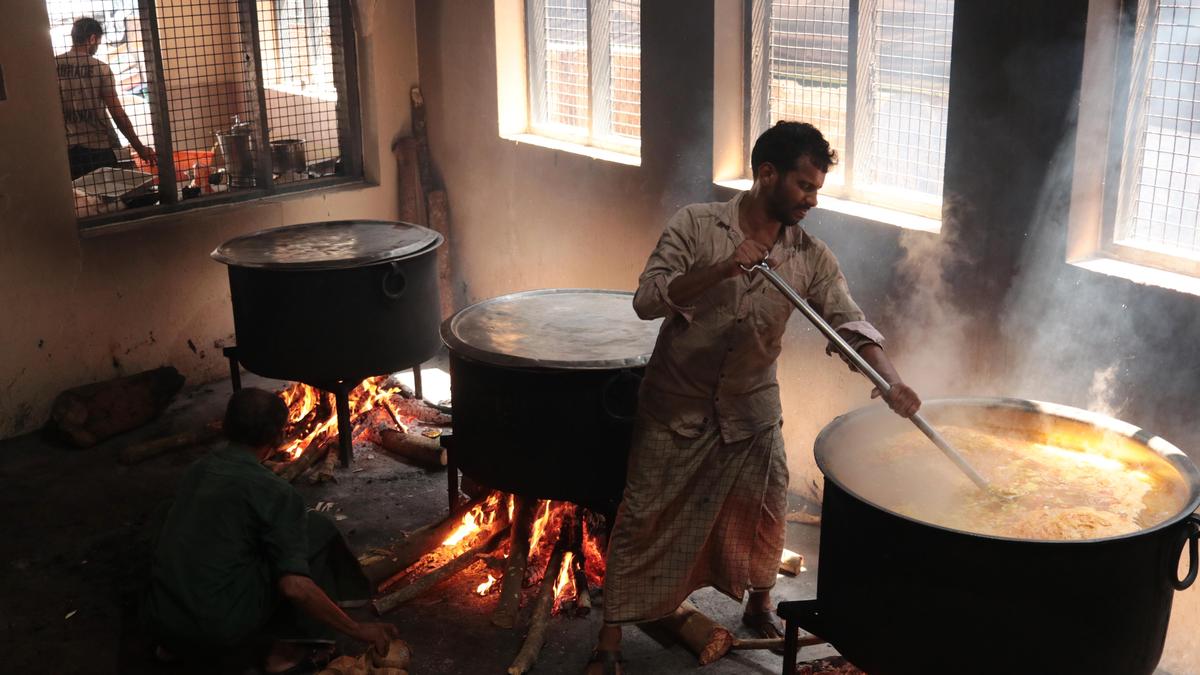
As the sun reaches its peak each afternoon, the backyards and kitchen areas of mosques in Thiruvananthapuram transform into busy workspaces. Large wood-fired stoves are lit, and massive metal vessels, known locally as 'chembu', are placed on them. The chefs, many of whom have been doing this for decades, begin the careful process of mixing ingredients. They must stir the thick porridge constantly using long wooden paddles to prevent it from sticking to the bottom of the pot. The goal is to have hundreds of liters of kanji ready and cooled slightly by the time the evening prayer call sounds.
Important Numbers and Facts
The scale of production is impressive. A medium-sized mosque might prepare enough porridge to serve 300 to 500 people, while larger ones cater to over 1,000 individuals daily. The recipe typically includes broken rice, moong dal (green gram), and a variety of spices like ginger, garlic, and fenugreek. Fresh coconut milk is often added at the final stage to give the dish a creamy texture. Most chefs start their work around 1:00 PM to ensure the food is perfectly cooked by 6:00 PM. The entire operation is usually funded by voluntary donations from the local community, making it a true group effort.
Background and Context
Nombu kanji is a traditional dish found primarily in South India, particularly in Kerala and Tamil Nadu, during Ramzan. Unlike heavy meals, this porridge is designed to be gentle on the stomach after a day without food or water. It provides a quick source of energy and helps hydrate the body. In Thiruvananthapuram, the tradition of serving kanji at mosques has deep roots. It started as a way to make sure the poor had something to eat, but today it has become a beloved part of the culture that everyone enjoys. The specific taste of "mosque kanji" is famous, and many people believe it tastes better than what is made at home because it is cooked in such large volumes with traditional methods.
Public or Industry Reaction
The local community holds these chefs in high regard. Preparing food for hundreds of people while fasting themselves is seen as a noble task. Many residents bring their own containers to the mosque in the late afternoon to collect a portion of the kanji for their families at home. Food critics and local bloggers often highlight these mosque kitchens as examples of authentic local flavor. The chefs themselves take great pride in their work, often passing down their secret spice blends to younger assistants. There is a general feeling of gratitude toward the mosque committees for maintaining this service despite rising food costs.
What This Means Going Forward
As Thiruvananthapuram continues to modernize, these traditional communal kitchens serve as a reminder of the importance of community bonds. The reliance on skilled manual labor and traditional wood fires shows a commitment to heritage. In the future, there may be more focus on making these kitchens even more efficient or using cleaner energy sources, but the core recipe and the spirit of sharing are likely to remain unchanged. The success of this year's Ramzan service proves that traditional food still plays a vital role in bringing people together in a fast-paced world.
Final Take
The preparation of nombu kanji in Thiruvananthapuram is a beautiful example of how food can connect a community. The hard-working chefs who stand over hot stoves for hours are the unsung heroes of the season. Their skill ensures that the tradition of the Iftar meal remains a time of health, reflection, and togetherness for everyone in the city.
Frequently Asked Questions
What is nombu kanji?
Nombu kanji is a nutritious rice and lentil porridge cooked with spices and coconut milk. It is specifically prepared during the month of Ramzan to break the daily fast.
Why is it prepared at mosques?
Mosques prepare it in large quantities to provide a free, healthy meal to anyone who comes to break their fast. It is a way to ensure that everyone in the community is fed.
Can anyone eat the kanji prepared at the mosque?
Yes, the kanji is generally distributed to anyone who visits. Many people also bring containers to take some home for their family members who may not be able to visit the mosque in person.



