
Summary
The Uttar Pradesh government has raised new concerns about the recent worker protests in Noida, claiming there is a link to social media accounts in Pakistan. This comes shortly after officials suggested that "Naxal" groups were involved in the unrest. While the police are focusing on external threats and social media misinformation, labor unions argue that these claims are being used to hide the real problems. Workers say they are protesting because of low wages, unpaid overtime, and poor treatment by employers.
Main Impact
The shift in the government’s explanation for the protests has changed the focus from local labor issues to national security. By pointing to outside forces, the authorities have justified a heavy police response and dozens of arrests. However, this move has angered worker groups who feel their genuine economic struggles are being ignored. The tension between the police and the workers has made the industrial environment in Noida very unstable, affecting both production and the safety of those on the ground.
Key Details
What Happened
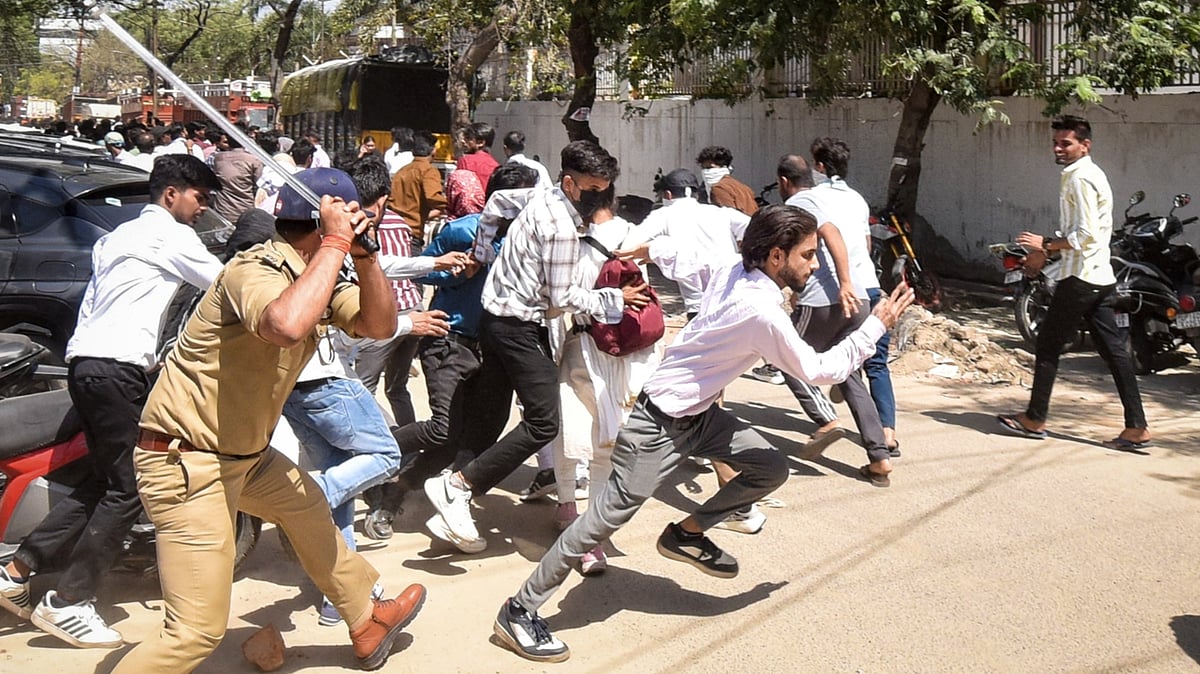
Earlier this week, protests by factory workers in Noida turned violent. The demonstrations led to blocked roads, damage to property, and clashes with law enforcement. Police officials in Gautam Buddh Nagar stated that they have identified three main people who led the protests. They claim these individuals used WhatsApp groups to gather workers and gave speeches that encouraged people to break the law. Additionally, the police flagged two accounts on X, formerly known as Twitter, which they say are operating from Pakistan to spread false information about the situation.
Important Numbers and Facts
The police have taken strict action following the unrest. So far, 13 First Information Reports (FIRs) have been filed, and 62 people have been arrested. While the government says things are back to normal and factories are running again, the numbers show a deep divide. For example, the government recently raised the minimum wage to 15,220 rupees. However, labor unions point out that a special committee had previously recommended a minimum wage of 23,196 rupees to help families survive the rising cost of living.
Background and Context
Noida is one of India’s biggest industrial zones, home to thousands of factories and hundreds of thousands of workers. Many of these workers are hired on short-term contracts, which means they have very little job security. Over the last few years, the cost of food, rent, and electricity has gone up quickly, but wages have not kept pace. This has created a lot of stress for families who live in the area. When workers try to form unions to ask for better pay, they often face pressure from management or the police, which leads to the kind of anger seen in the recent protests.
Public or Industry Reaction
Labor organizations, such as the Centre of Indian Trade Unions (CITU), have strongly criticized the government's claims. They say that talking about "Naxals" or "Pakistan" is just a way to stop people from talking about fair pay. Union leaders mentioned that similar protests in other areas, like Manesar, only happened because workers could not afford basic needs. They also reported that the police used excessive force, including beating protesters with sticks. Even some journalists covering the event reported being attacked by the police while they were trying to do their jobs.
What This Means Going Forward
The situation is far from over. Labor unions have already called for more protests and gatherings on May 1, which is International Workers’ Day. They want to show that their demands for better wages and working conditions are still their main priority. On the other hand, the government is likely to keep a very close eye on social media and industrial areas to prevent more violence. If the two sides do not sit down to talk about wages and worker rights, the risk of more clashes remains high. The focus on "external conspiracies" might make it harder for workers and factory owners to find a peaceful solution.
Final Take
The conflict in Noida is a clear example of what happens when economic pain meets a tough government response. While maintaining law and order is important, labeling every protest as a foreign conspiracy can make it harder to solve the actual problems. For the industrial zone to stay peaceful and productive, the focus needs to return to the workers' daily lives and their struggle to make ends meet in an expensive world.
Frequently Asked Questions
Why are the workers in Noida protesting?
Workers are demanding higher minimum wages, payment for overtime work, and better job security. They say the current pay is not enough to cover the rising cost of living for their families.
What is the "Pakistan link" mentioned by the police?
The police claim that two social media accounts based in Pakistan were spreading misleading information to make the protests more violent and disrupt the peace in the region.
How many people have been arrested so far?
According to official reports, the police have arrested 62 people and filed 13 separate legal cases related to the violence and road blockades during the protests.

