
Summary
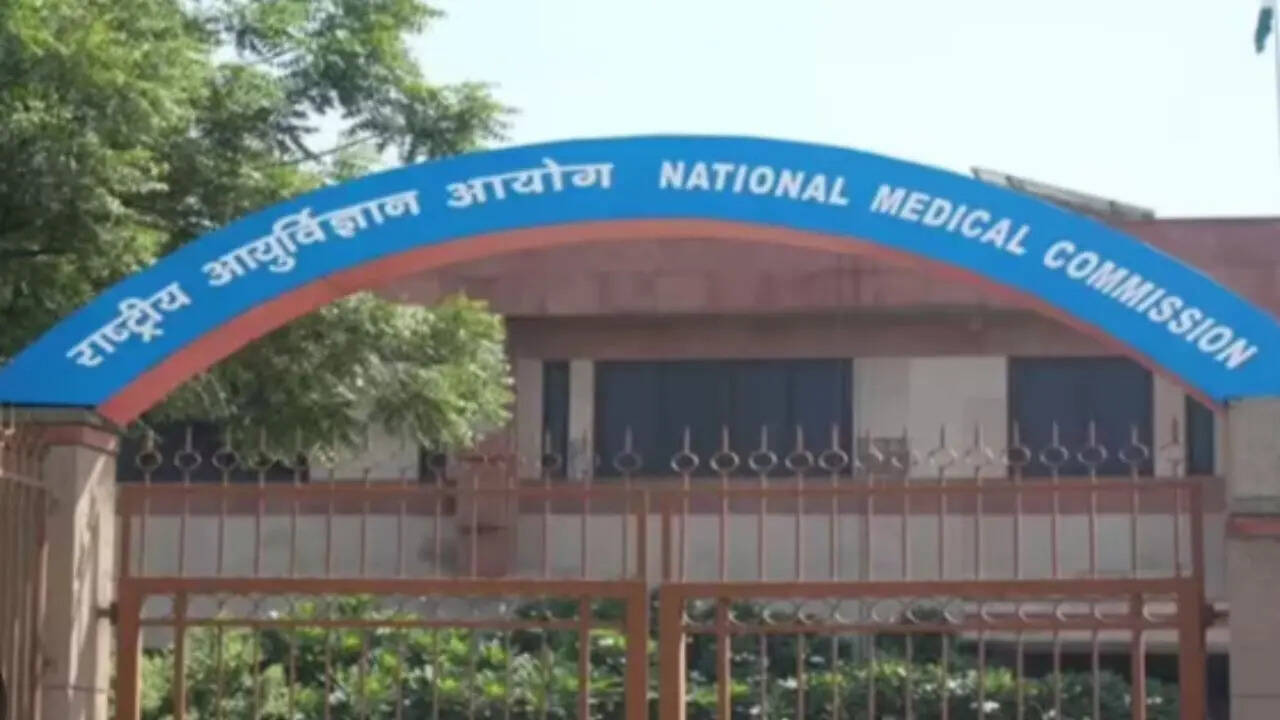
The National Medical Commission (NMC), which is the top body for medical education in India, is currently facing a major leadership crisis. Several key positions on its internal boards are empty because the terms of previous members have ended. Despite these internal gaps, the commission has recently told state governments that they must act quickly to fill teacher vacancies in medical colleges. This situation has raised concerns about how the regulator can manage the country's medical standards while its own leadership teams are incomplete.
Main Impact
The main impact of these vacancies is a slowdown in the oversight of medical education across India. When the boards that make rules and check college quality are not full, important decisions can be delayed. This affects everything from the approval of new medical colleges to the start of new courses for students. By asking states to fix their own staff shortages while its own offices are empty, the NMC is facing criticism for not leading by example. This gap in leadership could lead to a lack of clear direction for medical schools that are already struggling with a lack of qualified teachers.
Key Details
What Happened
The National Medical Commission is made up of four main boards that handle different parts of medical training. Recently, many presidents and members of these boards finished their official terms. However, the government has not yet named new people to take their places. While these seats remain empty, the NMC sent out a notice to state health departments. This notice told states to make sure all medical colleges have enough teachers. If colleges do not have enough staff, they could face penalties or lose their permission to teach students.
Important Numbers and Facts
The NMC has four specific boards: the Under-Graduate Medical Education Board, the Post-Graduate Medical Education Board, the Medical Assessment and Rating Board, and the Ethics and Medical Registration Board. Each of these boards is supposed to have a president and several members. Currently, a significant number of these roles are vacant. On the other side of the issue, many state-run medical colleges report teacher shortages ranging from 20% to 50% in certain departments. The NMC requires colleges to have a specific number of professors and tutors to stay open, but finding enough qualified doctors who want to teach has become a difficult task for many states.
Background and Context
The NMC was created a few years ago to replace the old Medical Council of India. Its job is to make sure that India produces high-quality doctors and that medical colleges follow strict rules. The four boards under the NMC are the "engine" of the system. For example, one board decides what students should learn, while another board visits colleges to see if they have enough equipment and teachers. If these boards are not fully staffed, the entire system of checking and balancing medical education can break down. Teacher shortages in colleges are also a long-standing problem. Many doctors prefer to work in private hospitals where they can earn more money, rather than teaching in government colleges.
Public or Industry Reaction
Many experts in the medical field are worried about this situation. They point out that it is hard for a regulator to enforce rules when it is not fully organized itself. Some doctors and college heads have said that the government needs to speed up the process of appointing new board members. They argue that without full boards, the NMC cannot properly hear appeals or make fair decisions about college ratings. At the same time, state officials have expressed frustration. They say they want to hire more teachers, but there are not enough qualified candidates, and the rules for hiring are often too slow and complicated.
What This Means Going Forward
In the coming months, the central government will need to appoint new leaders to the NMC boards to restore full functionality. If these positions stay empty for too long, it could lead to a backlog of work that might take years to clear. For medical students, this could mean delays in getting their degrees recognized or changes in their exam schedules. For the states, the pressure to fill teacher vacancies will continue. If they cannot find enough staff, some medical colleges might be forced to reduce the number of students they admit, which would be a setback for India's goal of increasing the number of doctors in the country.
Final Take
A strong medical system needs a strong regulator. While it is important for the NMC to push states to improve their teaching staff, the commission must also ensure its own house is in order. Filling the vacant seats on the NMC boards is a vital step to ensure that medical education in India remains high-quality and well-managed. Without full leadership, the rules meant to protect students and patients may lose their strength.
Frequently Asked Questions
What is the National Medical Commission (NMC)?
The NMC is the main government body that regulates medical education and medical professionals in India. It sets the standards for what doctors learn and how medical colleges should operate.
Why are the vacancies in the NMC a problem?
The vacancies are a problem because the NMC boards are responsible for making important decisions, such as approving new colleges and checking the quality of education. Without enough members, these tasks can be delayed or handled poorly.
Why is there a shortage of teachers in medical colleges?
Many medical colleges struggle to find teachers because many doctors prefer private practice or working in large hospitals. Additionally, the process for hiring teachers in government colleges can be very slow and involves a lot of paperwork.



