Summary
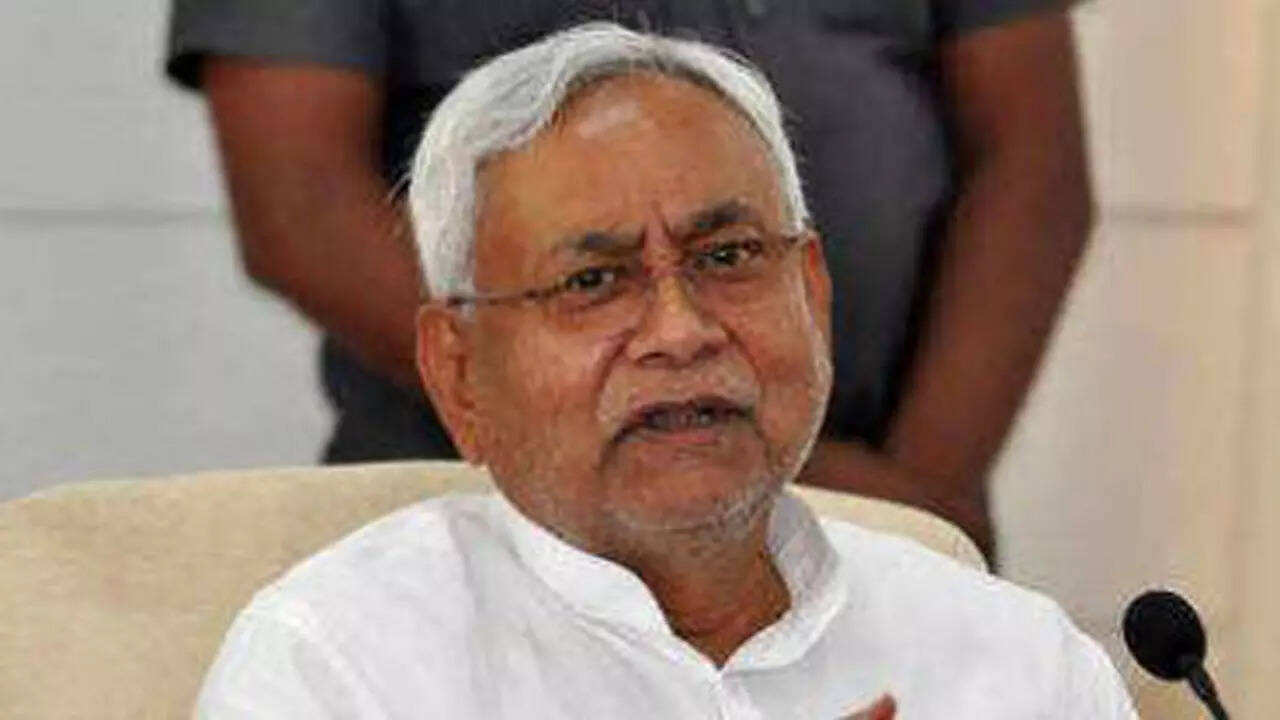
Nitish Kumar, the long-time Chief Minister of Bihar, is preparing for a major change in his political career. He is moving from his role in the state to a position in the Rajya Sabha, which is the upper house of India's Parliament. This news caused a lot of worry and sadness among the leaders of his party, the Janata Dal (United). To comfort them, Kumar used a famous phrase, "Main hoon na," to promise that he would still be there to guide them. At the same time, he gave his approval for his son, Nishant Kumar, to finally enter the world of politics.
Main Impact
The decision for Nitish Kumar to move to Delhi marks a turning point for Bihar’s government. For many years, he has been the main face of leadership in the state. His move to the Rajya Sabha means that the day-to-day management of the state will change. This shift also brings a new family member into the spotlight. By allowing his son Nishant to join politics, Kumar is changing the way his party looks at future leadership. This move helps ensure that his influence continues even as he takes on a national role.
Key Details
What Happened
During a recent meeting with party lawmakers, many members expressed their deep concern about Nitish Kumar leaving the state. They were worried that without his constant presence, the party might lose its direction. Kumar listened to their fears and reassured them that he is not leaving them behind. He told them that he would continue to provide guidance and support for Bihar from his new position in Delhi. During this same period of transition, the path was cleared for his son, Nishant, to start his political career, which is something many people have been waiting to see for a long time.
Important Numbers and Facts
Nitish Kumar’s move to the Rajya Sabha happened alongside other major political figures, including senior leader Amit Shah. This shows how important this round of selections was for the ruling alliance. Kumar has served as the Chief Minister of Bihar for multiple terms, making him one of the longest-serving leaders in the country. His son, Nishant, has stayed away from public life for most of his adulthood, making his sudden entry into politics a very significant event for the JD(U) party and the people of Bihar.
Background and Context
To understand why this matters, one must look at how Bihar has been governed. Nitish Kumar has been the central figure in the state's politics for nearly twenty years. He is known for his focus on development and his ability to work with different political partners. The Rajya Sabha is a place where experienced leaders often go to help make laws for the whole country. It is different from the Lok Sabha because members are chosen by state representatives rather than by a direct vote from the public.
In the past, Nitish Kumar often spoke out against "family politics," where children follow their parents into power. Because of this, many people did not expect his son to join the party. However, as the political situation changes, it seems Kumar feels that having a trusted family member in the party will help keep it stable. This context makes the announcement about Nishant just as important as Nitish’s own move to Delhi.
Public or Industry Reaction
The reaction within the Janata Dal (United) has been a mix of sadness and hope. Many lawmakers were visibly upset at the thought of Kumar not being in the state capital every day. They see him as the person who holds the party together. However, the phrase "Main hoon na" has helped calm some of those nerves. It acted as a strong promise that he is still the boss, even if his office moves to a different city.
Outside the party, political experts are watching closely. Some people are surprised by Nishant’s entry into politics because he has always been known as a very private person who enjoys a quiet life. Critics are questioning if this goes against Kumar’s previous stance on family-run parties. Meanwhile, supporters believe that Nishant can bring a fresh and calm perspective to the state’s busy political scene.
What This Means Going Forward
In the coming months, we will likely see a new leadership structure emerge in Bihar. While Nitish Kumar will still be the top advisor, someone else will need to handle the daily tasks of running the state government. This could lead to the rise of new leaders within the JD(U). It also means the party will have to work even more closely with its allies, like the BJP, to ensure things run smoothly during this transition.
For Nishant Kumar, the road ahead involves learning how to lead. He will have to step out of his father’s shadow and show the public what he stands for. His entry could help attract younger voters to the party. The biggest test will be how the party performs in future elections without Nitish Kumar leading the campaign directly from the front lines in Bihar.
Final Take
Nitish Kumar is not simply retiring; he is changing his strategy. By moving to the national stage while keeping a firm grip on his party through his son and his continued guidance, he is trying to protect his legacy. This move ensures that the "Nitish style" of politics remains a part of Bihar for years to come, even as the faces in the government begin to change.
Frequently Asked Questions
Why is Nitish Kumar moving to the Rajya Sabha?
He is moving to take on a national role in India's upper house of Parliament. This allows him to contribute to country-wide lawmaking while still acting as a senior advisor for his party in Bihar.
Who is Nishant Kumar?
Nishant Kumar is the son of Nitish Kumar. He has lived a private life until now but has recently received his father's approval to enter active politics and help lead the JD(U) party.
What does "Main hoon na" mean in this situation?
It is a Hindi phrase that means "I am here for you." Nitish Kumar used it to tell his party members that he is not abandoning them and will continue to support and guide them from Delhi.