
Summary
A significant rock art site has been identified once again in the Nilgiris district of Tamil Nadu. The site is located near the well-known Vellarikombai village in the Kotagiri region. This area holds deep spiritual and cultural value for the Irula and Kurumba indigenous communities, who have lived in these hills for many generations. The rediscovery highlights the rich ancient history of the region and the need to protect tribal heritage.
Main Impact
The rediscovery of this rock art site provides a vital link to the ancient past of the Western Ghats. It helps researchers and historians understand how early human societies lived, moved, and expressed themselves through art. For the local Irula and Kurumba tribes, the site is more than just a historical find; it is a sacred space that connects them to their ancestors. This discovery puts a fresh focus on the importance of preserving indigenous landmarks that are often hidden in remote forest areas.
Key Details
What Happened
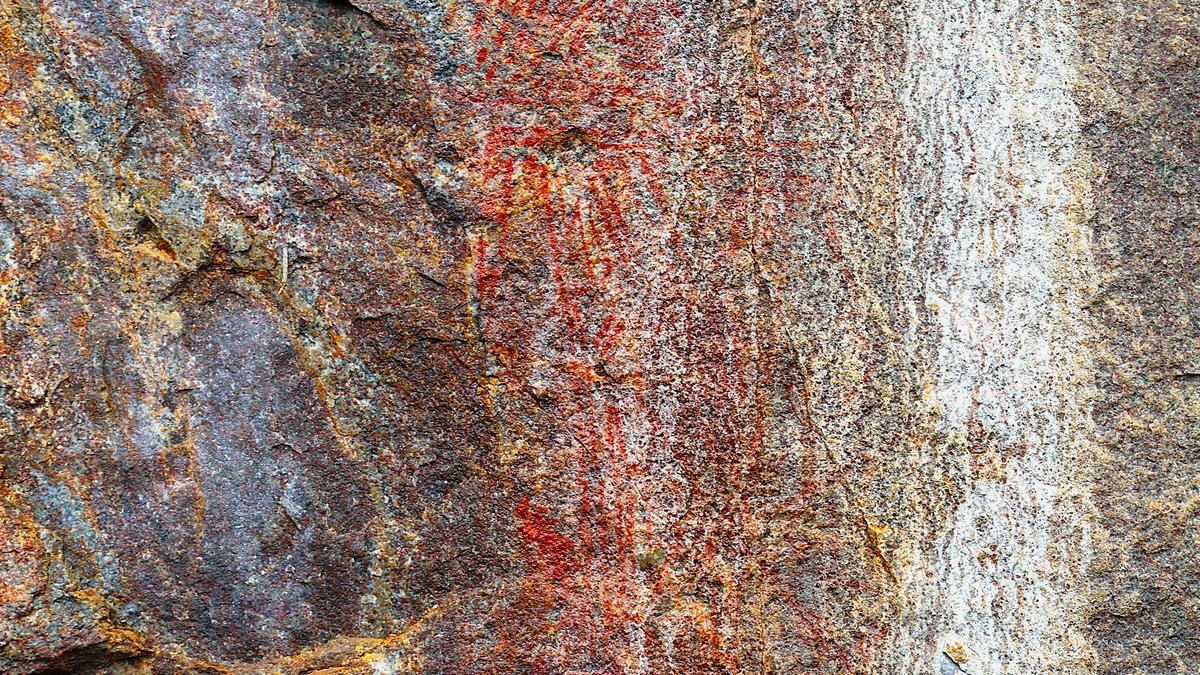
Researchers and local experts recently visited the hills near Kotagiri and confirmed the presence of ancient rock art. While the Vellarikombai site has been famous for years, this specific location had not received as much official attention in recent times. The art found on the rock surfaces includes various symbols and figures that were created using natural pigments. These drawings offer a glimpse into the social and religious lives of the people who inhabited the Nilgiris thousands of years ago.
Important Numbers and Facts
The Nilgiris district is home to over 20 known rock art sites, making it one of the most important archaeological zones in South India. Most of the art in this region uses red and white ochre, which are natural earth pigments. The Vellarikombai site itself is situated at a high elevation, providing a wide view of the surrounding valleys. The newly highlighted site is part of this larger cultural complex. Experts believe some of the drawings could date back to the Mesolithic or Neolithic periods, though exact dating requires further scientific study.
Background and Context
The Nilgiris, often called the Blue Mountains, have a long history of human habitation. The Irula and Kurumba tribes are the traditional guardians of this land. The Irulas are known for their skills in tracking and herbal medicine, while the Kurumbas have a deep history as forest dwellers and honey gatherers. For these communities, the rocks and forests are not just resources but are filled with spiritual meaning. They believe that their ancestors and forest spirits reside in these high rocky places.
Rock art in India is a way for ancient people to tell stories. They often drew scenes of hunting, dancing, and animals like cattle, deer, and tigers. By studying these images, we can learn about the environment of the past. For example, the types of animals depicted can tell us what the climate was like and what kind of wildlife was common in the Nilgiris long before modern cities were built.
Public or Industry Reaction
Archaeologists and heritage workers have expressed great interest in this rediscovery. They point out that many sites in the Nilgiris are at risk of being lost due to natural erosion and human activity. Local tribal leaders have also spoken about the need to respect these sites. They want to ensure that tourism does not lead to the destruction of their sacred spaces. There is a growing movement to involve the Irula and Kurumba people in the management and protection of these historical locations, as they have the best knowledge of the terrain.
What This Means Going Forward
The next step for authorities is to properly document the site using modern technology. This includes digital photography and 3D scanning to record the art before it fades further. There is also a need for better physical protection, such as fences or signs, to prevent people from touching or drawing over the ancient paintings. In the long term, this site could become part of a protected heritage trail that educates the public about the ancient history of the Nilgiris while respecting the rights and traditions of the indigenous tribes.
Final Take
The rediscovery of this rock art site is a reminder that the history of the Nilgiris is deep and complex. It shows that the mountains have been a home for human creativity and spirituality for thousands of years. By protecting these sites, we are not just saving old drawings on a rock; we are honoring the living culture of the Irula and Kurumba people and preserving a piece of human history for everyone to see.
Frequently Asked Questions
What is rock art?
Rock art refers to human-made markings or paintings placed on natural stone surfaces. Ancient people used natural colors made from minerals and plants to create these images.
Who are the Irula and Kurumba people?
They are indigenous tribes living in the Nilgiris region of South India. They have a unique culture, language, and a deep connection to the forest and mountain environment.
Where is Vellarikombai located?
Vellarikombai is a village near Kotagiri in the Nilgiris district of Tamil Nadu. It is famous for its ancient rock shelters and prehistoric paintings.



