
Summary
The National Green Tribunal (NGT) has issued a major order to protect the environment in Bhopal. The court told the Madhya Pradesh government to stop all cruise ships and motorized boat operations on the Upper Lake, also known as the Bhoj Wetland. This decision was made to prevent water pollution and protect the local ecosystem. The lake is a primary source of drinking water for the city and a protected site under international law.
Main Impact
This ruling will have a direct impact on how tourism works in Bhopal. For years, large cruise ships and motorized boats have been a popular attraction for visitors. However, the NGT found that these activities were harming the water quality and disturbing the wildlife. By banning these vessels, the court is prioritizing the health of the citizens and the safety of the environment over commercial profits. This move ensures that the lake remains a clean source of water for the hundreds of thousands of people who rely on it every day.
Key Details
What Happened
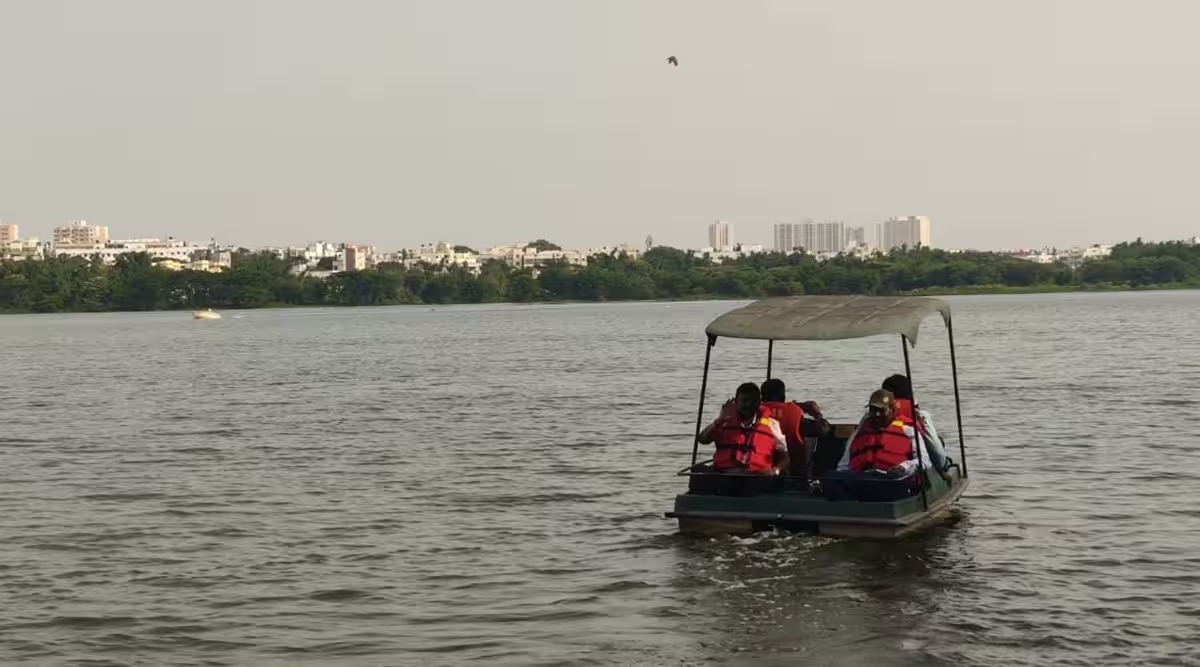
The Central Zone Bench of the NGT passed this order after hearing concerns about the rising pollution levels in the Upper Lake. The court noted that motorized boats use fuel and oil, which can leak into the water. Additionally, the noise from these engines disturbs the birds and fish that live in the wetland. The tribunal made it clear that the state government and the Madhya Pradesh Tourism Development Corporation (MPTDC) must stop these operations immediately to prevent further damage.
Important Numbers and Facts
The Upper Lake is a designated Ramsar site, which means it is a wetland of international importance. It provides nearly 40% of the drinking water for the residents of Bhopal. The "Bhopal Cruise," a large double-decker boat, was one of the main concerns mentioned in the legal discussions. The court pointed out that such large vessels are not suitable for a sensitive wetland area. The order also affects smaller motorized boats that run on petrol or diesel, as they contribute to the chemical pollution of the water.
Background and Context
Bhopal’s Upper Lake is one of the oldest man-made lakes in India, built in the 11th century. It is not just a scenic spot but a vital part of the city's infrastructure. Because it is a Ramsar site, the government has a legal duty to keep it clean and protect its biodiversity. Over the last few years, environmental activists have raised alarms about the increasing number of commercial activities on the water. They argued that the lake was being treated like a theme park rather than a protected natural resource. The NGT’s intervention comes after several reports showed that the water quality was slowly dropping due to human activity and motorized transport.
Public or Industry Reaction
Environmental groups have welcomed the decision, calling it a victory for nature. They believe that the ban will help the lake recover and allow migratory birds to return in larger numbers. On the other hand, the tourism industry is concerned about the loss of jobs and revenue. Boat operators and travel agencies argue that the cruise was a major draw for tourists. The state government is now in a difficult position where it must follow the court's orders while also managing the impact on the local economy. Some officials have suggested looking into alternative ways to keep tourism alive without using heavy machinery on the water.
What This Means Going Forward
The future of tourism on the Upper Lake will likely shift toward more eco-friendly options. The NGT has suggested that the government focus on activities that do not harm the environment. This could include manual rowing boats, pedal boats, or even electric-powered vessels that do not leak oil or make loud noises. The state government will need to create a new plan for the lake that follows environmental laws strictly. There will also be more pressure on local authorities to monitor the water quality and ensure that no illegal motorized activities take place in the restricted zones.
Final Take
The NGT’s order is a strong reminder that natural resources must be protected at all costs. While tourism is important for a city's growth, it should never come at the expense of clean drinking water or the survival of local wildlife. This decision sets a clear standard for how other protected wetlands in India should be managed. By removing motorized boats from the Upper Lake, Bhopal is taking a necessary step toward a more sustainable and healthy future for its people and its environment.
Frequently Asked Questions
Why did the NGT ban motorized boats on Bhopal Lake?
The ban was put in place to stop water pollution from fuel leaks and to reduce noise that disturbs the local ecosystem. The lake is a vital source of drinking water and a protected wetland.
Will all boating activities stop in Bhopal?
No, the order specifically targets motorized boats and large cruises. Manual boats like rowboats and pedal boats are generally still allowed as they do not cause the same level of pollution.
What is a Ramsar site?
A Ramsar site is a wetland area that is recognized internationally for its importance to the environment. These sites are protected by international treaties to ensure they are preserved for future generations.



