Summary
Amazon’s self-driving car unit, Zoox, is growing its reach by heading into two new major markets. The company recently announced that it will begin testing its autonomous vehicles on the streets of Dallas and Phoenix. This move is a big step for the company as it tries to prove its technology can handle different types of weather and road conditions. By adding these locations, Zoox is showing that it wants to be a leader in the race to bring robotaxis to the public. This expansion is not just about driving more miles, but about learning how to operate in environments that are very different from the West Coast cities where the company started.
Main Impact
The decision to enter Dallas and Phoenix is a strategic move to test the limits of self-driving hardware. Phoenix is known for its intense summer heat and dusty air, which can be very hard on car batteries and sensitive camera sensors. Dallas offers a different challenge with its wide, sprawling highway systems and weather that can change quickly. By successfully navigating these cities, Zoox can prove that its cars are ready for more than just perfect California weather. This expansion also puts more pressure on competitors like Waymo and Tesla, who are also trying to win over riders in these same regions.
Key Details
What Happened
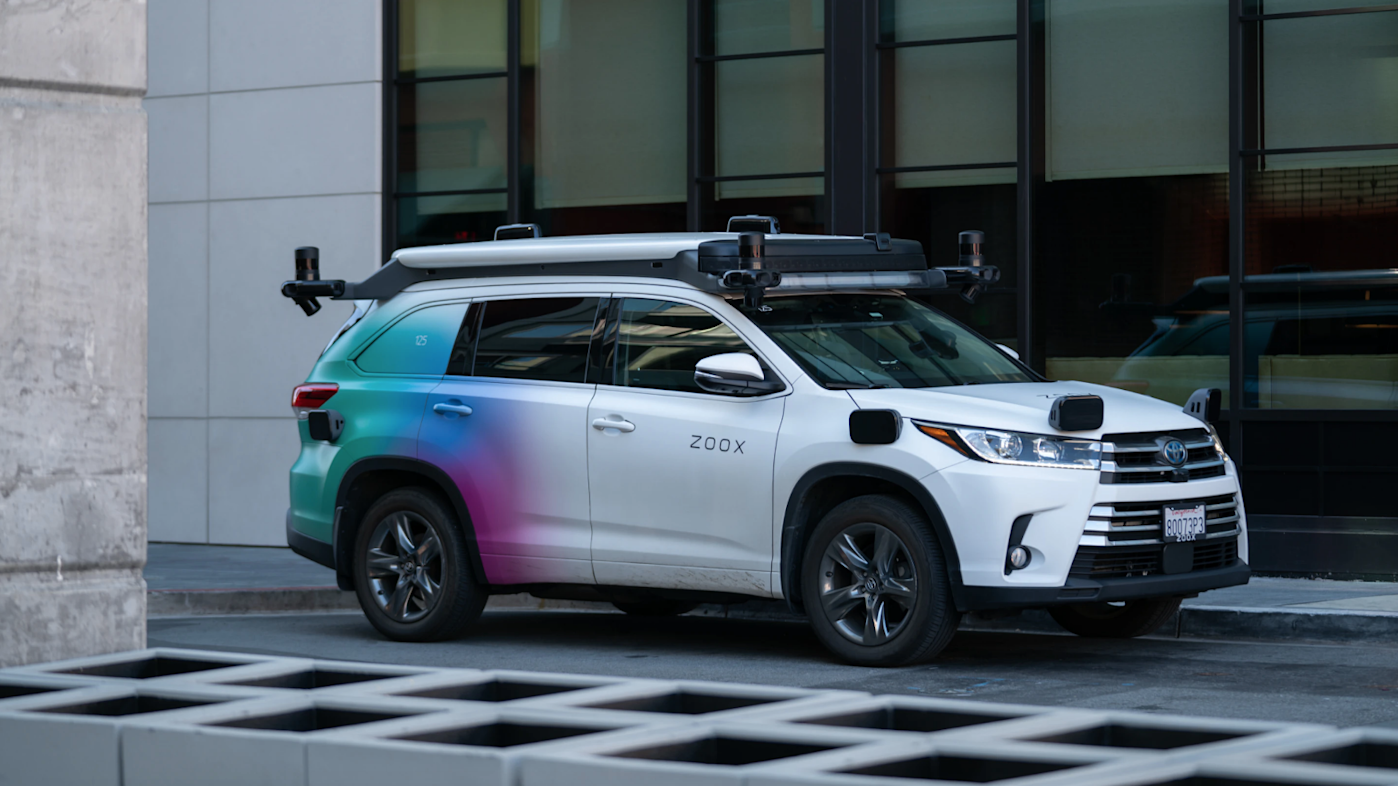
Zoox will not start with its famous "no-steering-wheel" cars right away. Instead, the company is using a fleet of Toyota Highlander SUVs that have been fitted with special self-driving tech. These cars will have human safety drivers inside at all times during the early stages. The main goal right now is to map the cities in high detail. These maps tell the car exactly where every curb, sign, and traffic light is located. Once the mapping is done and the software is comfortable with the local traffic patterns, Zoox plans to bring out its custom-built robotaxis that look more like small carriages than traditional cars.
Important Numbers and Facts
With the addition of Dallas and Phoenix, Zoox now has a presence in 10 different U.S. cities. Some of the other locations include Las Vegas, San Francisco, Miami, and Seattle. Amazon bought Zoox in 2020 for a price of $1.3 billion, showing how much the retail giant believes in the future of transport. So far, the company says its vehicles have driven more than one million miles in self-driving mode. They have also provided rides to more than 300,000 people, mostly through private testing programs. To support the new cities, Zoox is opening local offices and a large command center in Scottsdale, Arizona, to keep an eye on the fleet.
Background and Context
Self-driving cars have been a dream for tech companies for a long time. The idea is to create a world where you do not need to own a car or know how to drive. You would simply use an app to call a robotaxi, and it would take you to your destination. This could help reduce traffic and make roads safer because robots do not get tired or distracted like humans do. However, making this a reality is very difficult. The cars need to see everything around them using lasers, cameras, and radar. They also need powerful computers to make split-second decisions. Amazon’s investment in Zoox is a sign that they want to control the future of how people and goods move around cities.
Public or Industry Reaction
While the technology is exciting, many people are still worried about safety. In the last year, there have been several scary incidents involving self-driving cars from various companies. For example, some vehicles have blocked ambulances that were trying to get to emergencies. In one case, a robotaxi hit a child near a school. Because of these events, the government is starting to look more closely at the industry. This week, top leaders from Zoox, Waymo, and other companies are meeting with safety officials to discuss new rules. The public is split; some love the convenience of robotaxis, while others feel that the technology is being tested on public streets before it is truly ready.
What This Means Going Forward
The move into Dallas and Phoenix shows that Zoox is moving out of the research phase and into a more serious business phase. The new command hub in Scottsdale will be very important. It will house workers who can remotely help the cars if they get stuck or confused by a strange road situation. This "human-in-the-loop" system is meant to make the service feel safer for riders. As Zoox gathers more data from the heat of Arizona and the rain of Texas, they will update their software to be even smarter. The next big milestone will be when the company removes the human safety drivers and lets the cars drive completely on their own with real passengers in these new cities.
Final Take
Amazon is playing a long game with Zoox. By slowly expanding into cities with tough environments, they are building a system that can work almost anywhere. The road to fully driverless cities is still long and full of challenges, but this latest expansion proves that the company is ready to face the heat. Safety and trust will be the most important factors in whether people actually choose to ride in these cars in the years to come.
Frequently Asked Questions
Which new cities is Zoox moving into?
Zoox is expanding its testing operations into Dallas, Texas, and Phoenix, Arizona. These cities were chosen because they offer unique weather and road challenges that help the company improve its self-driving software.
Will there be a driver in the car?
Yes, for now. Zoox will start by using modified Toyota SUVs with human safety drivers behind the wheel. These drivers are there to take control if needed while the car maps the streets and learns the local traffic rules.
Why did Amazon buy Zoox?
Amazon bought Zoox for $1.3 billion in 2020 to enter the self-driving market. The goal is to create an autonomous ride-hailing service that could eventually change how people travel and how products are delivered in urban areas.