
Summary
The West Bengal government, led by Chief Minister Mamata Banerjee, has introduced a new system to oversee the distribution of cooking gas (LPG) across the state. A special monitoring team has been formed to track how gas cylinders are delivered to households. Along with this team, the government issued a Standard Operating Procedure (SOP), which is a clear set of rules that gas distributors must follow. This move is designed to stop illegal sales, prevent overcharging, and ensure that every family gets their gas supply on time.
Main Impact
This decision is expected to bring significant relief to millions of households in West Bengal. For a long time, many residents have complained about unfair practices in the cooking gas industry. By creating a dedicated monitoring team, the state government is taking direct control over a service that affects almost every kitchen. The main goal is to protect consumers from being cheated by middlemen or dishonest distributors.
The impact will be felt most in rural and semi-urban areas where monitoring was previously weak. With the new rules in place, gas agencies will no longer be able to ignore delivery deadlines or demand extra money from customers. This will make the entire process more transparent and help families manage their monthly expenses better, as they will only pay the official price for their fuel.
Key Details
What Happened
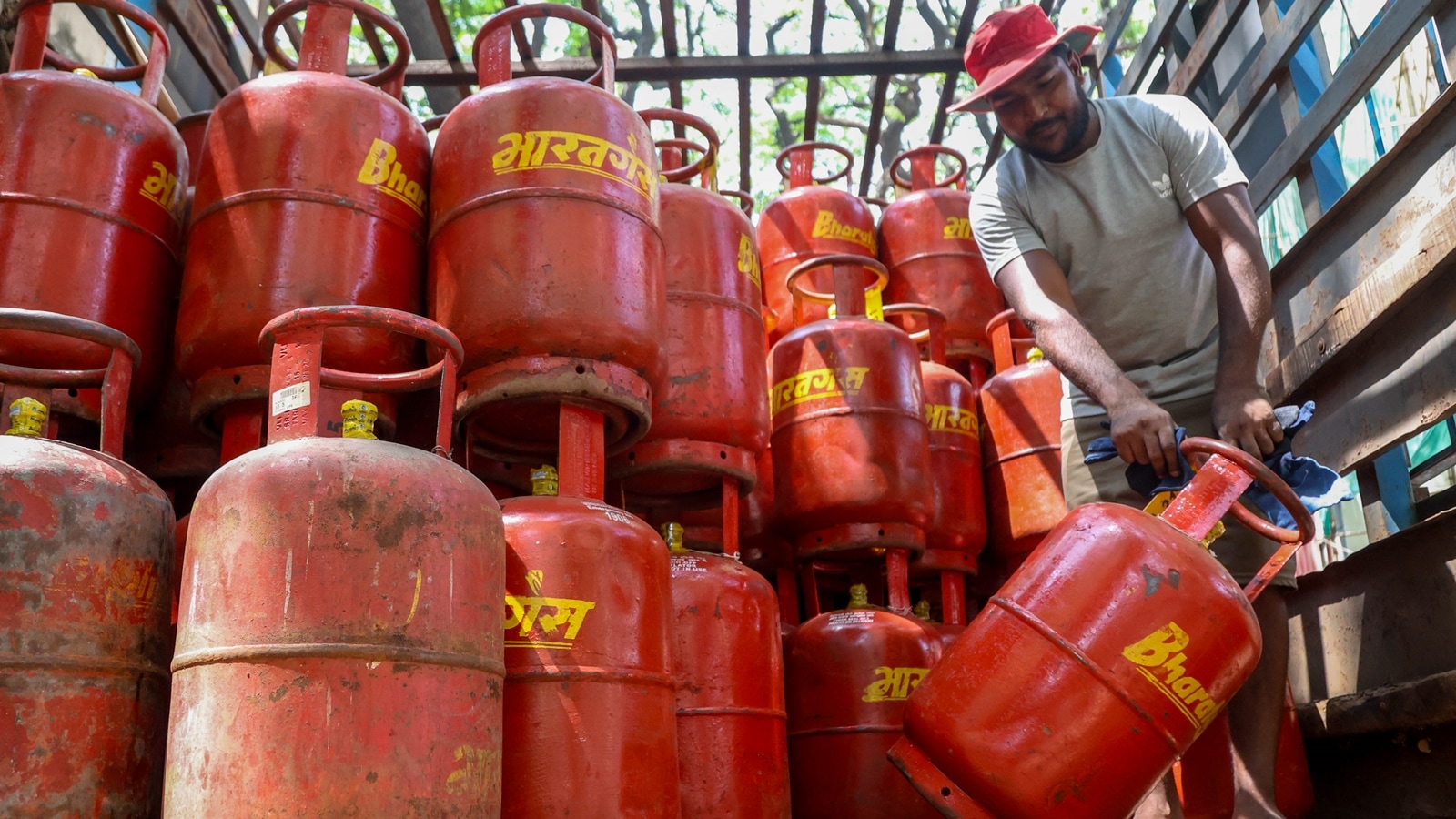
Chief Minister Mamata Banerjee directed the state administration to fix the gaps in the LPG delivery chain. To do this, the government created a monitoring team that includes officials from the Food and Supplies Department and local district authorities. This team is tasked with visiting gas storage points and checking the records of local agencies. They will look for signs of "black marketing," which is when gas meant for homes is sold illegally to businesses for a higher price.
The government also released an SOP, which acts as a rulebook for gas distributors. This document explains exactly how bookings should be handled and how quickly a cylinder must be delivered once a customer places an order. It also sets strict guidelines on how delivery workers should behave and what fees they are allowed to collect.
Important Numbers and Facts
The monitoring system will cover all districts in West Bengal. The state has millions of LPG consumers who rely on regular refills for their daily cooking needs. Under the new rules, the monitoring team will conduct surprise checks at gas godowns. If an agency is found to be hiding stock or charging more than the government-set price, they could face serious legal action. The SOP also emphasizes that no "delivery tips" or extra transportation fees should be forced upon the customers, as these costs are already included in the official price of the cylinder.
Background and Context
Cooking gas is a basic necessity in India. While the central government sets the prices for LPG, the actual delivery to homes is managed by local agencies. Over the years, many people in West Bengal have reported problems with this system. Some customers wait for weeks to get a refill, while others say they are asked to pay 20 to 50 rupees extra by delivery people. In some cases, domestic cylinders are diverted to hotels and small restaurants because they can be sold there for a higher profit.
The West Bengal government decided to step in because these issues were causing a lot of stress for common people. By setting up a state-level monitoring system, the government is filling a gap that previously allowed some agencies to operate without much fear of being caught. This initiative is part of a larger effort by the state to ensure that essential services are delivered fairly to all citizens.
Public or Industry Reaction
The public response to this news has been very positive. Many residents expressed hope that the new rules would end the habit of delivery workers asking for extra money at the doorstep. Consumer rights groups have also praised the move, noting that a formal monitoring team will give people a place to send their complaints. They believe that if the government follows through with inspections, the quality of service will improve quickly.
On the other hand, some gas distributors have expressed concerns. They argue that delivery delays are often caused by supply issues from the main oil companies, rather than local mismanagement. However, most industry experts agree that having a clear set of rules will help professionalize the sector and remove the "bad actors" who give the industry a poor reputation.
What This Means Going Forward
In the coming weeks, the monitoring team will begin its work across different districts. This will likely lead to a more organized delivery schedule for consumers. The government may also introduce a digital system or a helpline where people can report problems directly to the monitoring team. If the SOP is strictly followed, the illegal sale of domestic gas to commercial businesses will decrease, making more cylinders available for regular families.
Agencies that fail to follow the new rules may face fines or have their licenses cancelled. This high level of accountability is expected to make the LPG distribution network in West Bengal one of the most regulated in the country. For the average person, this means fewer headaches when the cooking gas runs out and a more honest price at the door.
Final Take
The formation of a monitoring team and the release of new rules for LPG distribution show that the West Bengal government is serious about protecting its citizens. By tackling the problems of overcharging and illegal sales, the state is making life easier for millions of families. This move sets a strong example of how local governments can step in to ensure that essential services are handled with honesty and efficiency.
Frequently Asked Questions
What is the main goal of the new LPG monitoring team?
The main goal is to stop illegal sales of cooking gas, prevent distributors from overcharging customers, and ensure that gas cylinders are delivered on time to every household.
What should I do if a delivery person asks for extra money?
Under the new rules, you should only pay the price listed on the official receipt. You can report any demands for extra money to the local monitoring team or the Food and Supplies Department.
Will these new rules apply to all of West Bengal?
Yes, the monitoring team and the Standard Operating Procedure (SOP) apply to all districts and gas agencies operating within the state of West Bengal.



