
Summary
The Indian government has introduced new draft rules to tackle the growing problem of tar balls along the country’s coastline. These sticky, oil-based lumps are harmful to marine life and damage the beauty of popular beaches. To improve monitoring, the government plans to use advanced space technology and satellites to detect oil spills early. This initiative aims to protect the environment and ensure that the shipping industry follows stricter safety standards.
Main Impact
The primary impact of these new rules is a much stronger defense for India’s coastal environment. By using satellite surveillance, authorities can now spot oil leaks in the vast ocean long before they reach the shore. This shift from reactive cleaning to active monitoring will help save marine animals and protect the livelihoods of fishing communities. It also puts more pressure on ship owners to prevent leaks, as they can now be tracked from space.
Key Details
What Happened
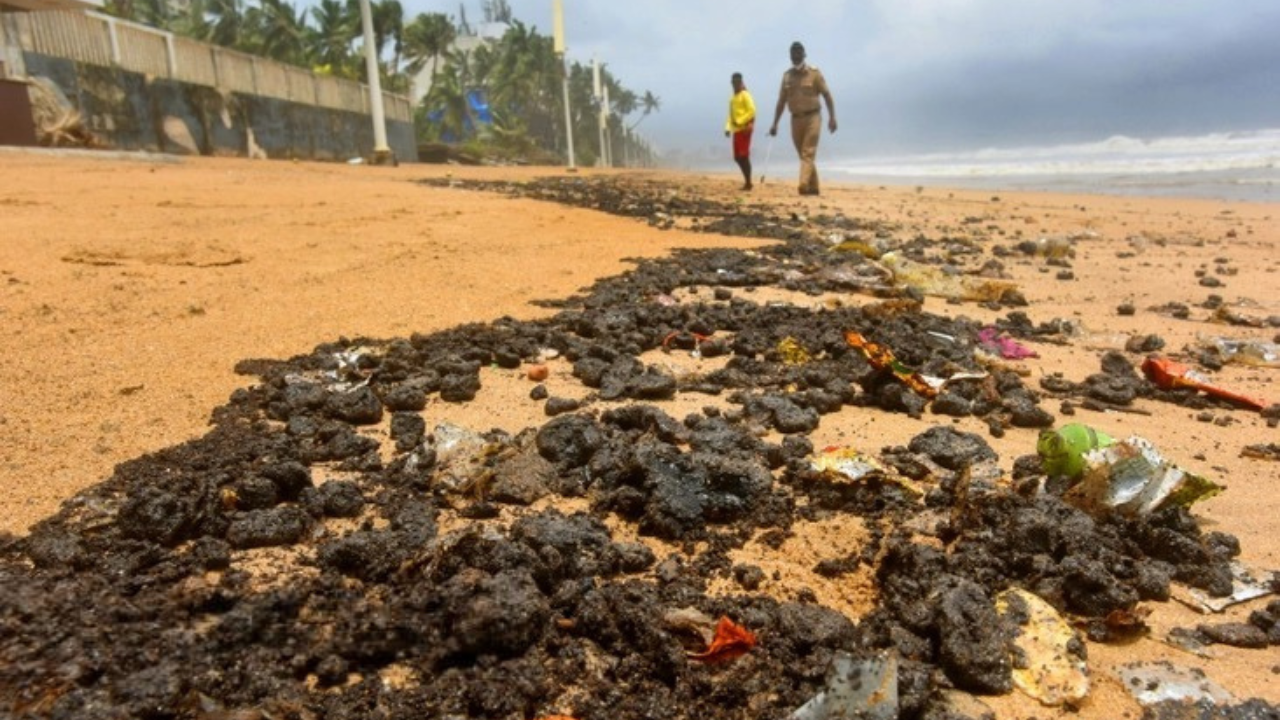
The Ministry of Environment, Forest and Climate Change has proposed the "Merchant Shipping (Control and Management of Tar Balls) Rules." These rules are designed to manage the waste created when oil spills mix with seawater. For years, beaches in states like Goa, Gujarat, and Maharashtra have been covered in black, oily clumps during the monsoon season. The new rules provide a legal framework to handle this waste and assign responsibility for the cleanup.
Important Numbers and Facts
India has a coastline that stretches over 7,500 kilometers, making it very difficult to watch every mile using only boats or planes. Under the new proposal, the government will use data from the Indian Space Research Organisation (ISRO) to monitor the seas. Satellites equipped with special radar can see oil slicks even at night or through thick clouds. This technology allows the Coast Guard to identify the exact source of a spill, making it easier to hold polluters accountable.
Background and Context
Tar balls are formed through a process called weathering. When oil is spilled into the ocean—either from a ship accident, illegal tank cleaning, or underwater leaks—it does not just disappear. The lighter parts of the oil evaporate, while the heavier parts stay in the water. Over time, the wind and waves mix this thick oil with sand and debris, turning it into hard or sticky balls. These balls can float for hundreds of miles before washing up on land.
This issue is particularly bad on India’s west coast because of the heavy ship traffic in the Arabian Sea. Many large oil tankers travel through these waters, and sometimes they wash their tanks illegally at sea. Until now, it was very hard to prove which ship was responsible for the tar balls appearing on a specific beach. These new rules aim to close that gap by using high-tech tracking and stricter reporting requirements for all vessels entering Indian waters.
Public or Industry Reaction
Environmental groups have welcomed the move, noting that tar balls contain toxic chemicals that can poison fish and birds. They believe that using space technology is a necessary step because traditional patrolling is not enough for such a large area. On the other hand, the shipping industry is looking closely at how these rules will be enforced. Ship owners will likely need to invest more in waste management and ensure their crews follow strict protocols to avoid heavy fines or legal action from the government.
What This Means Going Forward
In the coming months, the government will finalize these rules after listening to feedback from the public and industry experts. Once implemented, we can expect to see a more organized response to coastal pollution. The integration of satellite data will likely lead to a "digital map" of oil spills, helping scientists understand the patterns of ocean currents and how pollution moves. This data will be vital for long-term ocean health and the safety of the "blue economy," which includes fishing and coastal tourism.
Final Take
India is taking a modern approach to an old environmental problem. By combining strict legal rules with cutting-edge satellite technology, the country is showing that it is serious about protecting its oceans. While cleaning up tar balls is important, stopping them at the source is the only way to keep the beaches clean for future generations. This plan sets a strong example of how technology can be used to enforce environmental laws effectively.
Frequently Asked Questions
What exactly are tar balls?
Tar balls are small, dark lumps of weathered oil that form in the ocean and eventually wash up on beaches. They are sticky and contain chemicals that are harmful to humans and animals.
How will satellites help find oil spills?
Satellites use radar and special sensors to detect changes in the texture of the ocean surface. Oil makes the water smoother, which shows up clearly on satellite images, even in bad weather.
Why are these rules being introduced now?
Coastal pollution has become a major problem for tourism and fishing. With more ships traveling through Indian waters, the government needs better tools and laws to prevent and manage oil-related waste.



