
Summary
The Madras High Court has taken a firm stand against the spread of Seemai Karuvelam, a non-native tree species that has taken over large parts of Tamil Nadu. This invasive plant is known for draining groundwater and preventing local plants from growing. The court's recent orders aim to create a clear plan for removing these trees to protect the environment and save water resources. This move is seen as a vital step in restoring the natural balance of the state's ecosystem.
Main Impact
The primary impact of this court order is the planned restoration of the water table across Tamil Nadu. Seemai Karuvelam, scientifically known as Prosopis juliflora, is often called a "water thief" because its deep roots suck up massive amounts of moisture from the earth. By removing these trees, the state hopes to improve water levels in ponds, lakes, and underground aquifers. This change will help farmers who struggle with water shortages and will allow native trees to grow back in areas where they were previously pushed out.
Key Details
What Happened
The Madras High Court has been dealing with the issue of Seemai Karuvelam for over a decade. Recently, the court expressed frustration over the slow progress made by the government in removing these trees. Judges have pointed out that while many orders were passed in the past, the actual work on the ground has been inconsistent. To fix this, the court has now directed the state government to form specialized committees. These groups are tasked with identifying the most affected areas and coming up with a timeline for total removal.
Important Numbers and Facts
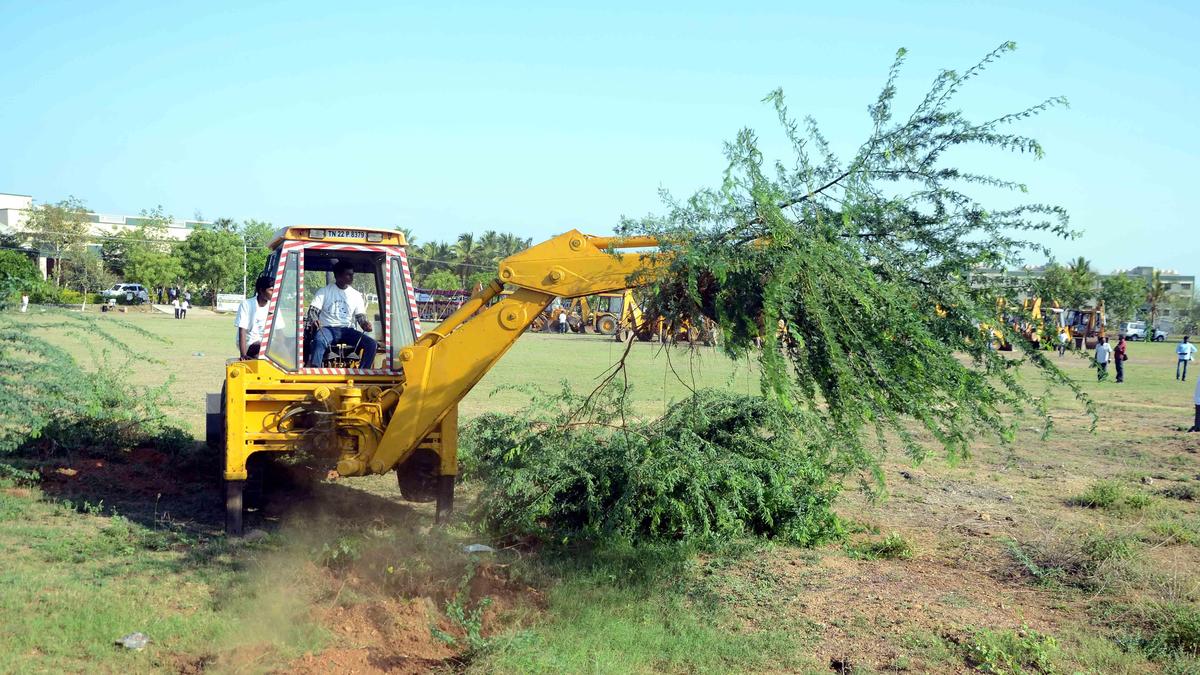
The Seemai Karuvelam tree was first brought to India from Mexico in the 1950s. At that time, it was intended to help solve a shortage of firewood. However, the plant spread much faster than anyone expected. It now covers hundreds of thousands of hectares of land in Tamil Nadu. Unlike native trees, it can survive in very harsh conditions and even in salty soil. One of the biggest challenges is that even if the top of the tree is cut, it can grow back quickly from the roots. Complete removal requires digging deep into the ground, which is both expensive and time-consuming.
Background and Context
To understand why the court is so concerned, it is important to look at how this tree affects nature. Most plants release oxygen and help the soil, but Seemai Karuvelam is different. It does not provide good shade, and its thorns make it difficult for birds to build nests. Furthermore, it releases chemicals into the soil that stop other seeds from sprouting. In a state like Tamil Nadu, where rain can be scarce, having a plant that consumes so much water is a major problem. For years, environmental activists have argued that the tree is a "green cancer" that needs to be stopped to save the local environment.
Public or Industry Reaction
The reaction to the court's order has been mixed. Environmental groups and many farming communities have welcomed the decision, calling it a victory for the state's water security. They believe that removing the invasive species is the only way to save local rivers and ponds. On the other hand, some people in the charcoal industry are worried. Many poor families earn a living by cutting these trees and burning the wood to make charcoal. They fear that a total ban or sudden removal will take away their only source of income. The government has also raised concerns about the high cost of using heavy machinery to clear the land.
What This Means Going Forward
The next steps involve a massive logistical effort. The state government must now find the funds and the equipment needed to clear the trees in a phased manner. The court has made it clear that simply cutting the trees is not enough; they must be uprooted entirely. There is also a plan to plant native species like Neem, Banyan, and Pungai in the cleared areas. This will ensure that the invasive trees do not simply grow back. Success will depend on how well the government monitors the work and whether they can provide alternative jobs for those who currently rely on the tree for wood.
Final Take
The fight against Seemai Karuvelam is a battle for the future of Tamil Nadu’s natural resources. While the tree was once seen as a solution for fuel, it has become a threat to the state's water and soil. The Madras High Court’s intervention ensures that the government stays focused on this environmental crisis. If the removal is done correctly, it could lead to a greener and more water-secure future for millions of people.
Frequently Asked Questions
Why is Seemai Karuvelam considered bad for the environment?
It is considered harmful because it consumes a lot of groundwater, prevents other plants from growing nearby, and does not support local wildlife like native trees do.
Why has it taken so long to remove these trees?
The removal process is very expensive and requires heavy machinery to pull out the roots. There have also been legal debates and a lack of consistent funding over the years.
What will happen to the land after the trees are removed?
The goal is to restore the natural water levels and plant native Indian trees that are better for the local ecosystem and do not drain as much water.



