Summary
Recent warnings about microplastics in the human body are facing strong pushback from several experts. While many reports suggest these tiny plastic particles are damaging our brains and organs, some scientists now argue that these studies are deeply flawed. They claim that poor testing methods and contamination may be creating false alarms. Instead of plastic being the main culprit for health issues, some researchers suggest that rising obesity rates are a more likely explanation for the problems being observed.
Main Impact
This scientific debate is changing how we look at environmental health risks. For years, the public has been told that microplastics are a silent killer building up in our blood and tissues. However, if the current studies are indeed "a joke" as some experts say, it means the fear surrounding these particles might be ahead of the actual evidence. This shift could stop people from spending money on unproven medical treatments and refocus health efforts on known issues like diet and exercise.
Key Details
What Happened
A group of scientists has started to publicly question high-profile research regarding micro- and nanoplastics (MNPs). These researchers argue that the tools used to find plastic in human tissue are not perfect. In many cases, the machines might be mistaking natural human fat for plastic. This has led to a "bombshell" realization that we may know much less about plastic in the body than we previously thought. Experts are now calling for a complete re-evaluation of the data that has scared the public for the last few years.
Important Numbers and Facts
One famous study claimed that the average human brain could contain enough plastic to weigh as much as a plastic spoon. However, critics pointed out that the study did not have enough controls to prevent outside contamination. Another researcher, Cassandra Rauert, identified 18 different studies that failed to account for "false positives." She also noted that plastic particles between 3 and 30 micrometers are usually too large to pass through the body's natural barriers into internal organs. Furthermore, the fear generated by these studies has led to "blood cleaning" treatments that cost as much as $13,500, despite having no scientific proof that they work.
Background and Context
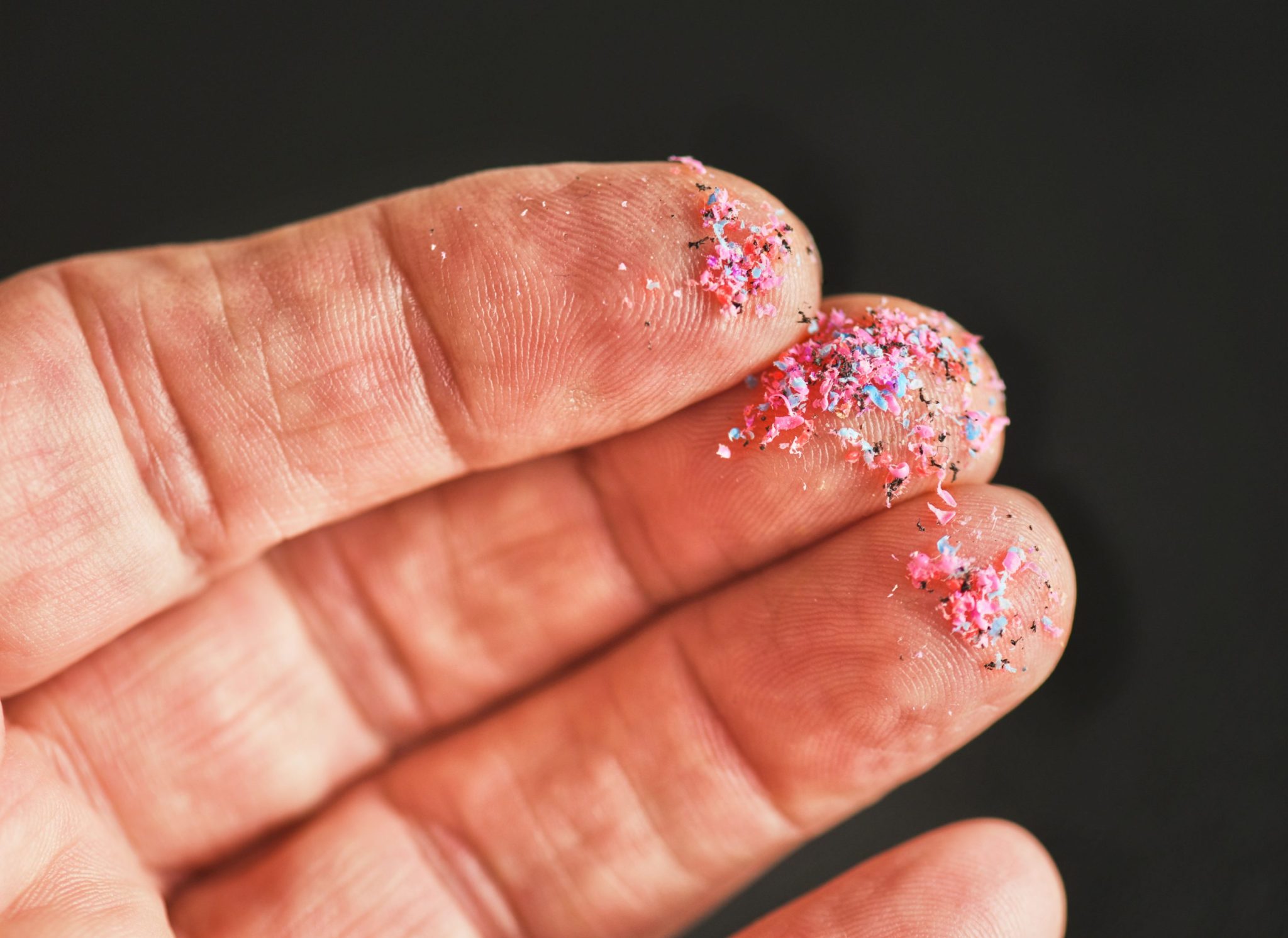
Microplastics are tiny pieces of plastic, often smaller than a grain of sand, that come from broken-down trash, synthetic clothing, and industrial processes. Because they are everywhere in the environment, it is easy to assume they are also inside our bodies. The field of study looking at these particles in humans is very new. Because it is a "hot topic," many researchers are rushing to publish their findings. This rush can sometimes lead to shortcuts, where scientists skip the boring but necessary steps of double-checking their results for errors or contamination from the lab itself.
Public or Industry Reaction
The reaction from the scientific community has been blunt. Dusan Materic, a lead researcher at a major environmental center, openly called the brain microplastic research a "joke" on social media. Other chemists have stated that the evidence provided for these "extraordinary claims" is not even "ordinary." On the other side, the public has been understandably worried, leading to a rise in products marketed as "plastic-free" or "detox" kits. Industry experts are now worried that this "scaremongering" is distracting people from more immediate health threats and causing unnecessary anxiety.
What This Means Going Forward
Moving forward, the scientific community needs to set stricter rules for how they test for plastics in human tissue. Standardized methods will help ensure that when a study says there is plastic in a heart or a brain, it is actually there and not just a mistake by a machine. For the average person, the advice remains simple: don't panic. While it is still a good idea to avoid heating food in plastic containers or using old, scratched-up cutting boards, there is no need to pay for expensive "cleansing" treatments. Focusing on a healthy weight and a balanced diet is still the most proven way to protect your long-term health.
Final Take
Science is a process of asking questions and checking facts. While microplastics are certainly a pollution problem for the planet, the claim that they are a direct and massive threat to our internal organs is still being debated. We should wait for more solid, verified evidence before letting fear dictate our lives. For now, the biggest health risks remain the ones we already know how to manage, such as obesity and general lifestyle choices.
Frequently Asked Questions
Are microplastics actually in our brains?
While some studies claim they are, many experts now believe those results might be errors. The testing equipment may have confused human fat cells for plastic particles.
Should I stop using plastic containers?
It is still a good idea to avoid heating food in plastic, as heat can cause chemicals to leak. However, you do not need to throw away all your plastic items in a panic.
What is the biggest health risk mentioned?
Some scientists suggest that obesity is a much larger and more proven threat to human health than the current levels of microplastics found in the body.