
Summary
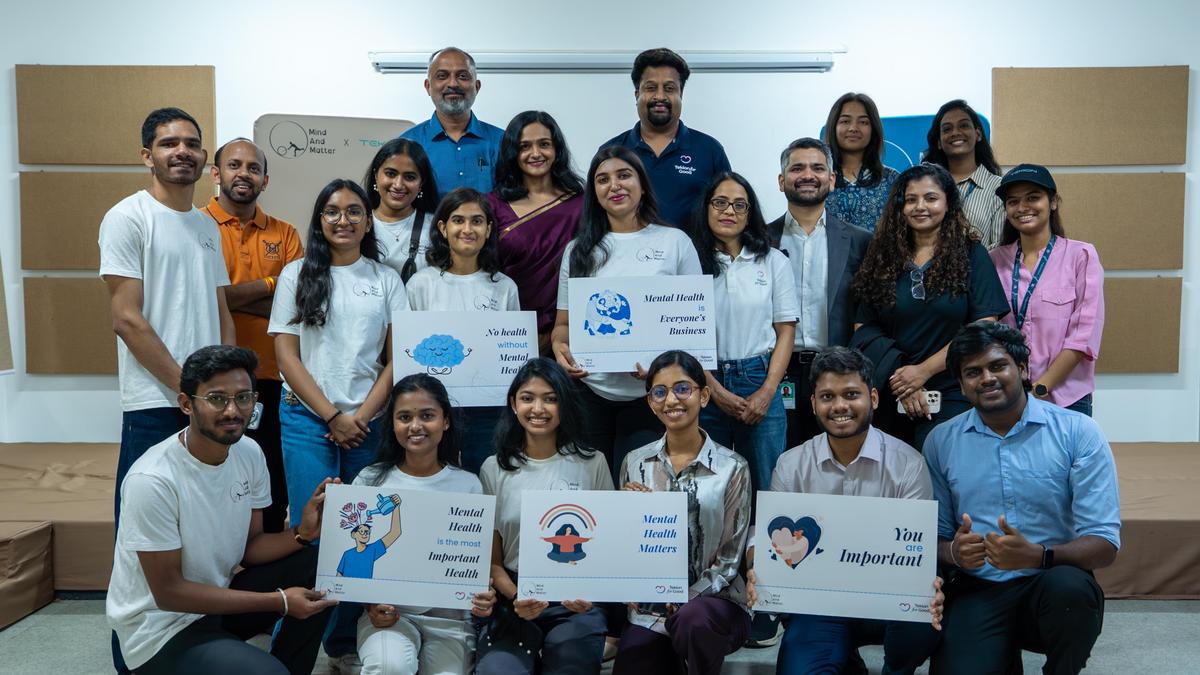
A new corporate social responsibility (CSR) project is launching to provide mental health education to 10,000 students across South India. The program focuses on schools in Karnataka and Tamil Nadu, aiming to help young people understand their feelings and build stronger relationships. By using interactive activities, the initiative teaches students and teachers how to handle stress, show empathy, and communicate clearly. This effort marks a significant step in bringing emotional well-being into the standard school experience.
Main Impact
The primary impact of this initiative is the normalization of mental health discussions in the classroom. For a long time, mental health was a topic that many people avoided or felt ashamed to talk about. By reaching 10,000 students, this program breaks that silence and gives children the tools they need to stay mentally healthy. It moves beyond traditional book learning and focuses on the emotional growth of the child, which can lead to better academic performance and fewer behavioral issues in schools.
Furthermore, the program does not just target students; it also includes educators. When teachers are trained to recognize emotional distress and practice empathy, the entire school environment becomes more supportive. This creates a safety net for children who might be struggling with personal problems or school-related pressure. The long-term effect is a generation of young adults who are more resilient and better prepared for the challenges of life.
Key Details
What Happened
A major CSR program has been introduced to address the growing need for mental health support in schools. The organizers recognized that many students in Karnataka and Tamil Nadu face high levels of pressure but lack the vocabulary to express their struggles. To solve this, they created a curriculum based on activities rather than lectures. These sessions allow students to participate in games, role-playing, and group discussions that highlight the importance of mental well-being.
The sessions are designed to be simple and engaging. Instead of using medical terms, the program uses everyday language to talk about emotions. This makes the content easy for children of various ages to understand. The goal is to make mental health a regular part of the school day, just like physical education or science.
Important Numbers and Facts
The scale of the project is quite large, focusing on two of India’s most prominent states for education. Here are the key facts regarding the rollout:
- Target Audience: 10,000 students in total.
- Locations: Various schools throughout Karnataka and Tamil Nadu.
- Core Pillars: The program focuses on four main areas: emotions, empathy, communication, and well-being.
- Method: Activity-based learning sessions that involve both students and their teachers.
- Goal: To build emotional intelligence and provide practical tools for mental health management.
Background and Context
In recent years, the mental health of young people has become a major concern for parents and health experts in India. Students often deal with intense competition, exam stress, and the social pressures of growing up in a digital age. In states like Karnataka and Tamil Nadu, where education is highly valued and competitive, the pressure to succeed can sometimes take a toll on a student's mind. Historically, schools have focused almost entirely on grades, often ignoring the emotional state of the learner.
This CSR initiative comes at a time when the government and private sectors are beginning to realize that a healthy mind is just as important as a healthy body. By funding these programs, companies are helping to fill a gap that the traditional education system often misses. Using activity-based learning is a specific choice because it helps break down complex psychological concepts into simple lessons that a child can remember and use in their daily life.
Public or Industry Reaction
The response from the education community has been largely positive. Many school principals have noted that students are more likely to engage with mental health topics when they are presented as fun activities rather than serious lectures. Teachers have also expressed relief at receiving professional guidance on how to handle emotional situations in the classroom. They often feel responsible for their students' well-being but do not always have the training to help effectively.
Parents are also showing support for the program. As awareness of mental health grows, more families are looking for ways to help their children cope with stress. Industry experts believe that this type of CSR work sets a good example for other companies. It shows that corporate social responsibility can go beyond building physical infrastructure and can focus on the internal growth and health of the community.
What This Means Going Forward
Looking ahead, the success of this program in Karnataka and Tamil Nadu could lead to similar projects in other parts of the country. If the data shows that these 10,000 students have better emotional control and communication skills, it will provide a strong argument for making mental health education a mandatory part of the national school curriculum. The focus will likely remain on making these sessions accessible and easy to understand for everyone.
There is also a hope that this initiative will reduce the stigma surrounding mental health in the long run. When children grow up learning that it is okay to talk about their feelings, they carry that mindset into adulthood. This could lead to a more compassionate society where people are not afraid to seek help when they need it. The next steps will involve monitoring the progress of the students and seeing how the lessons are applied in real-life situations.
Final Take
True education involves more than just memorizing facts; it involves learning how to live a balanced and healthy life. By investing in the mental health of 10,000 students, this initiative is helping to build a stronger foundation for the future. Teaching kids about empathy and communication today will lead to better leaders, parents, and citizens tomorrow. It is a vital reminder that the well-being of the mind is the key to a successful life.
Frequently Asked Questions
Which states are included in this mental health program?
The program is currently being implemented in schools across Karnataka and Tamil Nadu.
How many students will benefit from this initiative?
The initiative aims to reach and educate a total of 10,000 students through its activity-based sessions.
What are the main topics covered in the sessions?
The sessions focus on four key areas: understanding emotions, practicing empathy, improving communication, and maintaining overall well-being.



