
Summary
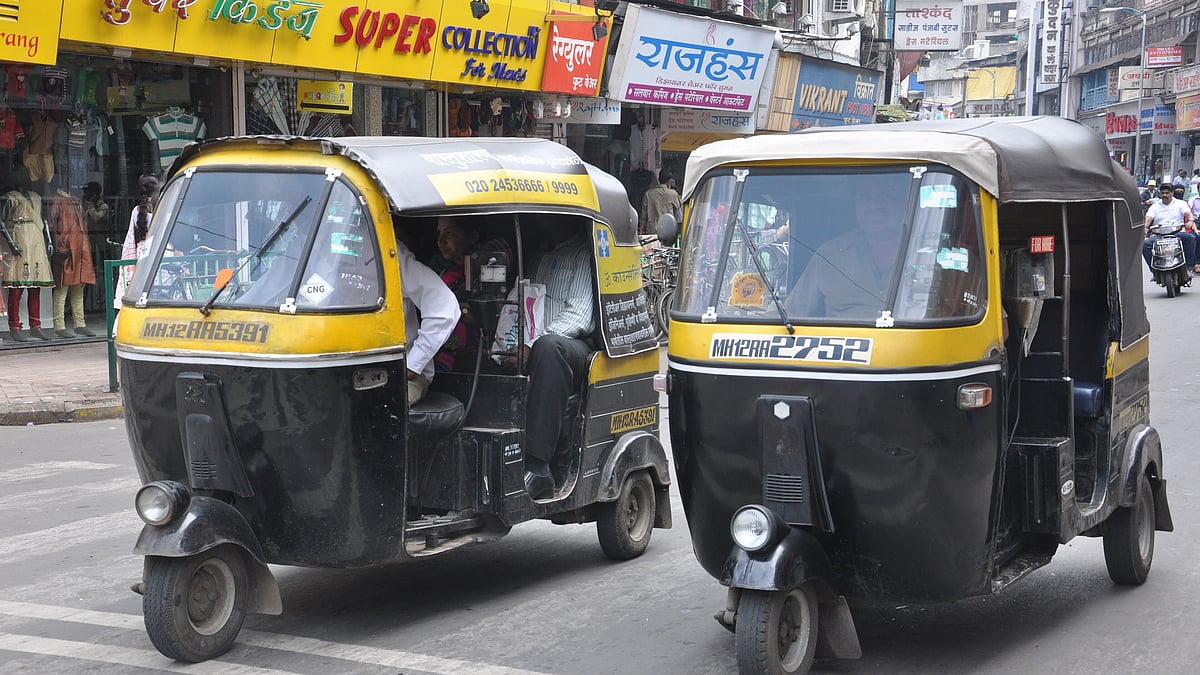
The Maharashtra government has sparked a new debate by announcing that autorickshaw drivers must know the Marathi language to keep their licenses. Starting May 1, officials will strictly enforce a rule that requires drivers to speak and understand the local tongue. While the government says this will improve safety and communication, opposition leaders and driver unions argue it unfairly targets workers from other states. This move has created tension across the state as the deadline approaches.
Main Impact
The biggest impact of this decision falls on the hundreds of thousands of drivers who move to Maharashtra for work. If these drivers cannot pass a language test, they risk losing their ability to earn a living. This rule could lead to a shortage of drivers in major cities like Mumbai, where many residents rely on autorickshaws for daily travel. Additionally, the harsh warnings from some political leaders have raised fears of physical conflict between different groups in the city.
Key Details
What Happened
State Transport Minister Pratap Sarnaik recently confirmed that the government will no longer ignore the 2019 language rule. He explained that drivers who cannot communicate in Marathi often have misunderstandings with passengers. These small arguments can sometimes turn into bigger fights. By making Marathi mandatory, the government hopes to make daily travel smoother for local residents. However, the enforcement has become a political issue rather than just a transport rule.
Important Numbers and Facts
The scale of this rule is massive. Data shows that about 70 percent of autorickshaw and taxi drivers in Maharashtra come from North Indian states. In the Mumbai region alone, there are approximately 2.8 lakh people who hold permits to drive these vehicles. Starting in May, the government plans to include language checks during the regular document verification process. If a driver fails to show they know the language, their permit could be cancelled immediately.
Background and Context
Language has always been a sensitive topic in Maharashtra. For decades, local political parties have fought to ensure that the Marathi language and culture stay protected. They believe that anyone working in the state should respect and use the local language. On the other side, Mumbai is known as a city where people from all over India come to find jobs. Many of these workers speak Hindi or other regional languages. Balancing the pride of the local culture with the needs of a diverse workforce is a challenge that the state faces frequently.
Public or Industry Reaction
The reaction to this news has been very strong. Some political leaders, like Arun Sawant from the Shiv Sena, warned that drivers who do not follow the rule might face "prasad," a word often used to mean a physical beating. This comment caused a lot of anger and fear. On the other hand, Samajwadi Party leader Abu Azmi claimed the rule is a tool to push North Indians out of the state. He argued that it is an attack on the right to work. Some groups are not against the rule itself but want more time. They suggest giving drivers at least one year to learn the language instead of cutting off their income so quickly.
What This Means Going Forward
As May 1 gets closer, the state may see protests or strikes from driver unions. There is also a concern about law and order. Recently, a transport official in the Mira-Bhayandar area received a threat call linked to a known criminal gang. This shows how heated the situation has become. The government will need to decide if they will stick to the hard deadline or offer classes to help drivers learn. If the government stays firm, we might see a significant change in who is allowed to drive on the streets of Maharashtra.
Final Take
This situation is about more than just a language rule; it is about identity and the right to work. While clear communication between a driver and a passenger is helpful, the threat of losing a job creates deep worry for many families. The government must find a way to encourage the use of the local language without making thousands of workers feel unwelcome or unsafe in the state.
Frequently Asked Questions
When does the Marathi language rule start?
The government plans to start strict enforcement of the rule on May 1. Drivers will be checked during their document verification process.
What happens if a driver does not know Marathi?
According to the Transport Minister, drivers who cannot speak or understand the language may have their driving licenses or permits cancelled.
Why is the government enforcing this rule now?
The government says the rule is meant to reduce conflicts between drivers and passengers. They believe that knowing the local language is essential for safety and better service.

