Summary
New satellite images show that many towns in southern Lebanon are being completely flattened. A detailed study of these images reveals that more than 1,400 buildings have been destroyed in just a few weeks. This destruction is part of a major military effort that has changed the look of the border region. The scale of the damage suggests that entire neighborhoods are being cleared, making it impossible for residents to return anytime soon. This situation marks a serious turn in the ongoing conflict and has raised many questions about the future of these communities.
Main Impact
The primary impact of these demolitions is the total removal of living spaces along the border. By leveling hundreds of structures, the military is creating a wide area where no one can live or hide. This has a massive effect on the local population, as thousands of people have lost their homes, shops, and places of worship. The destruction is not just about individual buildings; it is about the removal of entire villages that have existed for generations. This creates a "buffer zone" that changes the geography of the region and makes the possibility of people moving back very unlikely in the near future.
Key Details
What Happened
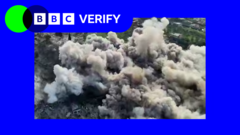
Experts used high-resolution satellite pictures to track changes on the ground in southern Lebanon. By comparing photos taken earlier in the year to recent ones, they found a pattern of widespread leveling. In many cases, entire blocks of houses were turned into piles of grey rubble. The images show that the destruction is often concentrated in specific towns close to the border with Israel. Reports suggest that these demolitions are carried out using controlled explosions and heavy machinery. This method ensures that the buildings are completely unusable and cannot be easily repaired.
Important Numbers and Facts
The data shows that at least 1,400 buildings have been wiped out since March 2. This number includes private homes, small businesses, and community centers. In some specific border towns, more than half of all standing structures have been destroyed. The speed of the demolition is also notable, with hundreds of buildings being removed in a single week. These figures come from a careful analysis of satellite data, which provides a clear view of the ground even when reporters cannot visit the area safely. The timeline shows that the pace of destruction has increased significantly as the conflict has continued through the spring.
Background and Context
The border between Israel and Lebanon has been a place of tension for many years. This latest round of fighting has led to a much higher level of physical damage than seen in previous years. Israel states that its military actions are necessary to remove threats and stop attacks coming from southern Lebanon. They claim that many of these buildings were used by armed groups to store weapons or plan operations. On the other side, Lebanese officials and residents say that the buildings are civilian homes and that the destruction is a form of collective punishment. Understanding this context is important because it explains why the military is focusing so heavily on clearing these specific border areas.
Public or Industry Reaction
The reaction to these satellite images has been one of deep concern. International aid groups have pointed out that destroying homes on such a large scale creates a massive humanitarian problem. They argue that even if the fighting stops today, there is nowhere for the displaced people to go. Human rights organizations are also looking into whether these actions follow international laws regarding war and the protection of civilian property. Locally, there is a sense of despair among those who have seen their hometowns disappear from the map. Many feel that the goal is not just security, but the permanent removal of the population from the border region.
What This Means Going Forward
Looking ahead, the future of southern Lebanon remains very uncertain. The level of destruction means that any rebuilding effort will cost billions of dollars and take many years to complete. There is also the risk that these cleared areas will remain empty for a long time, serving as a permanent no-man's-land. This could lead to long-term displacement for tens of thousands of people who may have to find new lives in other parts of Lebanon or abroad. Furthermore, the total removal of these towns could make a future peace deal harder to reach, as the physical markers of the border and the communities that lived there have been erased.
Final Take
The use of satellite imagery has provided undeniable proof of the scale of destruction in southern Lebanon. With over 1,400 buildings gone in a matter of weeks, the physical reality of the border has been changed forever. While the military reasons for these actions are debated, the human cost is clear. Entire towns have been turned into dust, leaving a gap in the map and a crisis for the people who once called those places home. The world is now watching to see if this pattern of demolition continues or if a path to stability can be found before more communities are lost.
Frequently Asked Questions
How do we know these buildings were destroyed?
Experts use satellite images taken at different times to compare the ground. By looking at "before" and "after" photos, they can count exactly how many buildings have been leveled or damaged.
Why are these towns being leveled?
The military claims that the buildings are used by armed groups for attacks. By destroying them, they aim to create a secure area and prevent future threats from across the border.
Can the people who lived there return?
Right now, it is very difficult. Because so many homes and basic services like water and power lines have been destroyed, the towns are currently unlivable for civilians.