
Summary
The Indian government has released a new set of rules to protect workers from extreme heat. The Ministry of Labour and Employment sent this advisory to all states and Union Territories across the country. The main goal is to keep outdoor laborers and factory workers safe as temperatures continue to climb. This move comes as many parts of India experience record-breaking heat much earlier in the year than expected.
Main Impact
This government order changes how companies must treat their staff during the summer months. It places a heavy responsibility on employers to monitor the weather and adjust work schedules. By focusing on those who work in construction, mining, and brick kilns, the government aims to reduce the number of heatstroke cases and deaths. This is a significant step in recognizing that extreme weather is a major threat to the health of the national workforce.
Key Details
What Happened
The central government noticed that heatwaves are becoming more intense and frequent. In response, they have asked local authorities to make sure industries follow strict safety plans. Employers are now expected to provide basic necessities that were often overlooked in the past. These include cool resting areas and constant access to clean water. The government also wants companies to stop heavy work during the hottest parts of the day, usually between noon and late afternoon.
Important Numbers and Facts
The weather data for April 2026 shows a worrying trend. In Rajasthan, cities like Barmer and Jaisalmer have already recorded temperatures as high as 46 degrees Celsius. Other major cities are also feeling the heat. Nagpur reached 45 degrees, Ahmedabad hit 44 degrees, and Delhi recorded 42 degrees. These numbers are very high for April, as the hottest months of May and June have not even started yet. The government is worried that if safety measures are not put in place now, the situation will become much worse in the coming weeks.
Background and Context
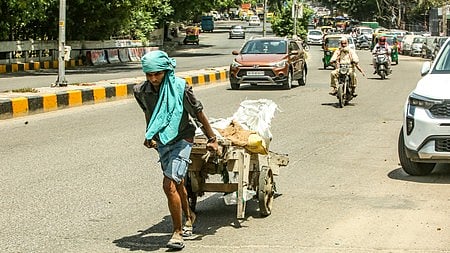
India has a large number of people who work in the informal sector. These are daily wage earners who only get paid if they show up for work. Because they need the money, many of them continue to work even when the sun is dangerously hot. In the past, this has led to many workers falling ill or losing their lives due to heat exhaustion. The current advisory is part of a larger effort to update labor safety rules to match the reality of a changing climate. Experts suggest that the loss of forests and rising urban heat are making summers harder to survive for those who cannot stay indoors.
Public or Industry Reaction
The reaction to the heatwave has been one of concern. On social media, many people have shared maps showing the country covered in dark red, indicating extreme heat. There is a growing conversation about why the weather is changing so fast. Some people point to the lack of green spaces and trees as a reason for the rising temperatures. Within the industry, some business owners are worried about how changing work hours will affect their deadlines. However, health experts and labor unions have welcomed the move, saying that worker safety must come before profit.
What This Means Going Forward
The government is not just giving advice; they are also asking for proof of action. All relevant organizations must now send reports every two weeks to show what they are doing to protect workers. This reporting system will help the ministry see which states are following the rules and which ones are falling behind. In the future, we may see more training programs. Groups like the National Board for Workers’ Education will be teaching laborers how to spot the signs of heat sickness. This could lead to a more permanent change in how India manages its labor force during the summer season.
Final Take
Protecting workers from heat is no longer just a suggestion; it is becoming a vital part of labor management in India. As the climate changes, the way we work must also change. These new guidelines provide a clear path for employers to follow to ensure that no worker has to risk their life just to earn a living. The success of this plan will depend on how well local authorities enforce these rules on the ground.
Frequently Asked Questions
Which workers are most at risk during a heatwave?
Workers in outdoor sectors like construction, brick kilns, and mining are at the highest risk. Daily wage earners and casual laborers who work in the sun for many hours are also very vulnerable to heat-related illnesses.
What are employers required to provide under the new advisory?
Employers should provide shaded rest areas, plenty of cool drinking water, and emergency items like ice packs. They are also encouraged to change work hours to avoid the peak heat of the day and offer regular medical check-ups.
How will the government ensure these rules are followed?
The Ministry of Labour has asked for reports every two weeks from state authorities and organizations. These reports will detail the safety steps taken, allowing the government to monitor the situation and make sure companies are complying with the safety standards.

