
Summary
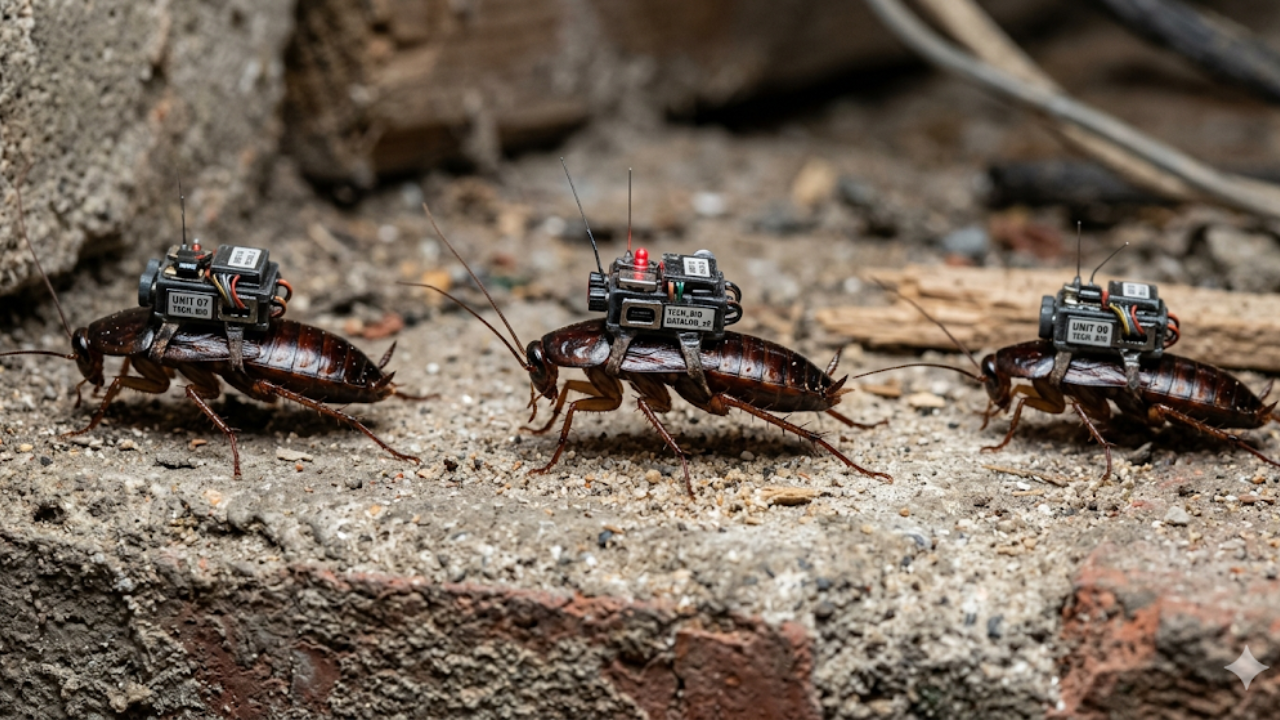
Scientists have developed a new way to find leaks in underground pipes by turning cockroaches into living robots. By attaching tiny electronic backpacks to these insects, researchers can guide them through narrow spaces that are hard for humans to reach. These "cyborg" insects carry sensors that can detect gas or water leaks before they become major problems. This technology offers a low-cost and efficient solution for maintaining city infrastructure.
Main Impact
The use of cyborg cockroaches could change the way cities manage their utility systems. Currently, finding a small leak in a massive network of underground pipes is difficult and expensive. It often requires digging up roads or using large, costly robots that can easily get stuck. By using insects, companies can inspect pipes more often and with much less effort.
This method is also much cheaper than building tiny mechanical robots. Nature has already spent millions of years perfecting the movement of insects. They are agile, they can climb walls, and they can squeeze through very small gaps. By adding a small brain-machine interface, scientists are using the best parts of nature and combining them with modern technology to solve a real-world problem.
Key Details
What Happened
Researchers have successfully tested a system where a Madagascar hissing cockroach wears a small circuit board like a backpack. This backpack is connected to the insect’s nervous system through its antennae. When the researchers send a wireless signal to the backpack, it delivers a tiny electric pulse to the cockroach. This pulse tricks the insect into thinking there is an obstacle in its path, causing it to turn in the desired direction.
The backpack is also equipped with environmental sensors. These sensors can pick up the chemical signature of a gas leak or the high humidity caused by a water pipe break. Because the cockroaches are living animals, they do not need a motor to move. They use their own energy to walk, which means the battery on the backpack only needs to power the sensors and the communication tools. This allows the cyborgs to work for much longer than a traditional small robot could.
Important Numbers and Facts
The electronic backpacks are designed to be extremely light, usually weighing less than five grams. This ensures that the cockroach can still move naturally and climb over obstacles. The Madagascar hissing cockroach was chosen because it is large, hardy, and can carry more weight than smaller species. These insects can live for several years and can survive in harsh environments that would destroy sensitive electronics.
In recent tests, these cyborg insects were able to navigate through complex pipe networks with high accuracy. The sensors on their backs can detect gas concentrations as low as a few parts per million. This level of sensitivity is vital for finding small leaks before they lead to dangerous explosions or massive water loss. Some models even include tiny solar panels to help keep the battery charged while the insect is near light sources.
Background and Context
Leaking pipes are a massive problem worldwide. Every year, billions of gallons of clean water are lost because of old, cracked pipes. Similarly, gas leaks pose a serious safety risk to neighborhoods. The main challenge is that most of these pipes are buried deep underground or hidden behind walls. Sending a human to check them is impossible, and current robots are often too big or too slow to be effective.
Scientists have been looking for ways to use insects in search-and-rescue and inspection jobs for a long time. Insects are naturally built to survive in dark, cramped, and dirty places. They are also very good at finding their way through rubble. By turning them into cyborgs, researchers are creating a tool that is more flexible than any machine currently available on the market.
Public or Industry Reaction
The reaction to this technology is mixed. In the engineering and utility industries, there is a lot of excitement. Companies see this as a way to save millions of dollars in repair costs. Being able to find a leak without tearing up a busy street is a huge advantage for city planners. It means less traffic and less money spent on construction.
On the other hand, some members of the public find the idea of "remote-controlled bugs" a bit unsettling. There are also ethical questions raised by animal rights groups about the treatment of the insects. Scientists respond by pointing out that the pulses do not cause the insects pain and that the cockroaches are well-cared for. Despite the "creep factor," the practical benefits of the technology are hard to ignore.
What This Means Going Forward
The next step for this research is to make the insects more independent. Right now, a human usually has to guide them using a controller. In the future, scientists want to give the backpacks enough artificial intelligence to let the cockroaches explore on their own. They could be released into a pipe system, find a leak, and then send a signal back with the exact location.
There is also work being done to create "swarms" of cyborg insects. Instead of sending one bug, a crew could release dozens of them. These insects could talk to each other through their backpacks to map out an entire underground network in a very short time. This would make the inspection process even faster and more reliable.
Final Take
Turning insects into cyborgs might sound like something from a science fiction movie, but it is a practical solution to a difficult problem. By combining the natural skills of a cockroach with modern sensors, we can protect our cities and save resources. It is a creative example of how looking at the natural world can help us find better ways to use technology.
Frequently Asked Questions
Does the electronic backpack hurt the cockroach?
Scientists say the pulses sent to the antennae are very weak and do not cause pain. The pulses simply mimic the sensation of touching a wall, which encourages the insect to turn.
How long can a cyborg cockroach work?
Because the insect provides its own power for movement, the battery can last for several days. If the backpack has solar cells, it can potentially work even longer as long as it finds light occasionally.
What happens if the cockroach dies while in a pipe?
The backpacks are equipped with trackers so they can be found. However, because these insects are very tough, they usually survive the inspection process and can be used multiple times.

